
Pests in your home don’t have to mean harsh chemicals or costly treatments.
Natural pest control offers simple, safe ways to keep unwanted visitors away—using ingredients right from your kitchen or garden.
This step-by-step guide will show you how to take charge with eco-friendly pest solutions that protect your family and pets.
Ready to start your DIY pest elimination journey?
Let’s get your home pest-free with tips anyone can follow. Learn more here.
Let’s dive into why natural methods are gaining popularity and how they can benefit you.
These methods not only protect your home but also ensure safety for your family and pets.
Eco-friendly pest solutions are more than just a trend; they’re a necessity for those who value safety.
These methods use non-toxic ingredients, ensuring that your home remains safe for everyone.
Traditional chemicals can harm your health and the environment.
In contrast, natural solutions use ingredients like vinegar and baking soda, which are gentle on both your home and nature.
Moreover, these solutions are cost-effective.
You often have the necessary ingredients in your kitchen or garden.
This means you’re not only saving money but also reducing waste.
Imagine using lemon juice to deter ants or peppermint oil to keep spiders at bay.
These simple items can make a significant difference in pest control without breaking the bank.
Your kitchen is a treasure trove of pest control remedies.
Let’s explore some common household items that can help maintain a pest-free environment.
First up, baking soda.
This versatile powder can tackle ants with ease.
Mix it with equal parts of sugar to create a bait.
Ants are attracted to the sugar but can’t digest the baking soda, which ultimately controls their population.
Next, consider vinegar.
This is a fantastic natural cleaner that also repels pests like fruit flies.
Simply mix it with water and use it to wipe down surfaces.
This not only keeps your kitchen clean but also discourages pests from lingering.
Lastly, cinnamon can be a powerful deterrent against insects.
Sprinkle it near entry points to create a natural barrier.
A pest-free home is more than just about aesthetics; it’s about health and comfort.
When you’re free from pests, your home becomes a sanctuary.
Pests often carry diseases, so keeping them at bay means protecting your family’s health.
For example, a home without cockroaches reduces the risk of allergies and asthma, especially in children.
Additionally, a pest-free home saves you money in the long run.
Think of the expenses saved from not having to call exterminators or replace damaged goods.
Plus, you gain peace of mind knowing your living space is safe and clean.
It’s a small investment of time for a big payoff in comfort and security.
Now that we understand the benefits and basics, let’s dive into the steps for DIY pest control.
From identifying pesky intruders to crafting your own solutions, this guide will empower you to address pest problems effectively.
Before you can tackle pests, you need to know what you’re dealing with.
Identifying the pest is the first crucial step.
Look for signs like droppings, chew marks, or nests around your home.
Once you pinpoint the invader, you can tailor your approach.
For instance, if you notice tiny, dark droppings in the kitchen, you might be dealing with mice.
Alternatively, if you’re finding small mounds of dirt in your garden, ants could be to blame.
This step is essential because different pests require different strategies for elimination.
Once you’ve identified the pest, it’s time to create your own solutions.
Let’s say you’ve got an ant problem.
Mix equal parts vinegar and water in a spray bottle and apply it to areas where ants are active.
This disrupts their scent trails and deters them from returning.
If flies are your issue, a homemade trap using apple cider vinegar can work wonders.
Fill a bowl with vinegar and add a few drops of dish soap.
The soap breaks the surface tension, trapping flies.
These solutions are safe, simple, and effective, ensuring you can tackle pests without harsh chemicals.
For more expert advice on crafting your own solutions, check out this resource on making natural pest controls.
Safety first!
When applying these solutions, make sure to use them correctly.
Always test a small area first to ensure no adverse reactions occur.
Wear gloves if necessary, especially when handling essential oils or strong solutions.
Focus on targeted areas, applying directly to problem spots rather than broadly across your home.
This approach ensures you maximize the effectiveness of your solutions while minimizing waste.
Remember, consistency is key.
Regular application, especially during peak pest seasons, will yield the best results.

Once you’ve tackled the immediate pest problems, maintaining that freedom is crucial.
Here are some long-term strategies to keep those pests at bay and enjoy a lasting pest-free home.
Long-term pest control starts with maintaining an environment that pests find unappealing.
This means keeping your home clean and uncluttered.
Regularly sweep and mop floors to remove crumbs and spills that attract pests.
Store food in sealed containers to prevent access.
Outdoors, maintain your garden by trimming plants and removing debris.
This reduces hiding spots for pests.
Consider adding plants like lavender or mint, which naturally repel insects. Learn more about eco-friendly gardening tips to boost your home’s defenses.
Deterrents are a proactive way to keep pests away.
Essential oils like peppermint and eucalyptus can be powerful allies.
Mix a few drops with water and spray around entry points.
These oils not only smell great but are also effective in repelling pests.
You can also use physical barriers.
Seal cracks and gaps around windows and doors with caulking.
Install screens to prevent insects from entering.
These simple steps create a strong defense, making it harder for pests to invade your space.
Regular monitoring helps catch potential pest problems early.
Set up traps or bait stations in key areas.
Check them frequently to gauge pest activity.
This proactive approach allows you to address issues before they escalate.
Prevention is the best cure.
Regularly inspect your home for signs of pests.
Pay attention to seasonal changes, as some pests are more active during certain times of the year.
Staying vigilant and informed ensures your home remains a comfortable, pest-free haven.
By implementing these strategies, you not only protect your home but also contribute to a healthier environment.
Ready to take action?
Join our community of eco-friendly advocates to share tips and support each other in the fight against pests. ✨
Avoid common natural pest control mistakes like misusing essential oils, ignoring entry points, and overlooking pest habitats. Use pet-safe remedies, ...
Spring pests surge due to warmer weather seeking food and shelter. Natural, non-toxic methods like vinegar, essential oils, sealing entry points, and ...

Layered natural pest control combines prevention, sealing, trapping, and repellents using safe, non-toxic methods like essential oils, diatomaceous ea...
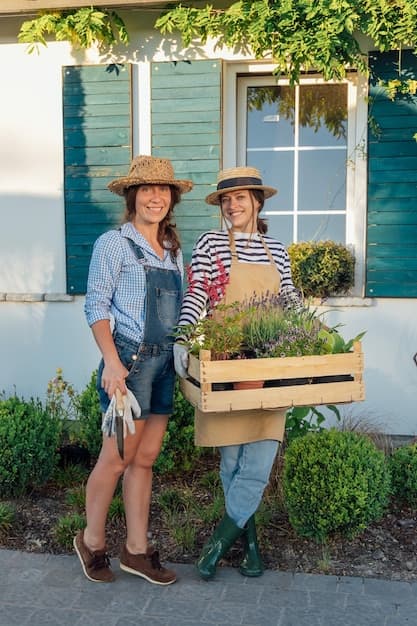
Year-round guide for natural, chemical-free garden pest control: use seasonal strategies, companion planting, beneficial insects, DIY sprays, traps, a...
