
Kitchen pests don’t just sneak in—they settle in fast, making your space uncomfortable and unsafe.
You want simple, natural pest control that keeps ants, roaches, and fruit flies away without harsh chemicals.
This guide breaks down easy, affordable steps you can start today to protect your kitchen and keep pests out for good.
For more tips, check out this link.

Keeping pests at bay starts with small, daily habits that make your kitchen less inviting to them.
Let’s dive into some simple changes you can make.
Ants are tiny but mighty when it comes to invading your space.
To keep them out, think like an ant.
They follow scent trails, so wiping surfaces regularly can disrupt their paths.
Use a solution of water and vinegar to clean countertops, which not only cleans but also removes scents that attract ants.
Next, focus on sealing food.
Ants are drawn to open food containers.
Store your snacks and staples in airtight containers.
This helps in two ways: it keeps ants away and maintains food freshness. Airtight food storage is a simple but effective deterrent for these persistent pests.
Cockroaches thrive in dark, moist places.
To deter them, focus on keeping your kitchen dry.
Fix any leaks and wipe down sinks and counters at night.
Cockroaches are nocturnal and come out when you’re asleep, so ensure no water is left in sinks overnight.
Use natural deterrents like bay leaves.
Place a few in cabinets or under sinks.
Cockroaches dislike their smell, making them a natural, non-toxic pest control measure.
Remember, the key is consistency; make it a habit to keep kitchen surfaces dry and food stored securely.
Trash and compost can be a feast for pests if not handled properly.
Start by using bins with tight-fitting lids to keep smells contained.
Empty your trash regularly; a few days of forgotten waste can attract unwanted guests.
If you compost, do it outside if possible.
Keep your compost bin closed and away from the house.
This helps prevent pests from finding easy access to your kitchen.
With these small changes, your kitchen will become less appealing to pesky invaders.
Switching to natural cleaning and storage solutions not only keeps pests away but also benefits your health.
Here’s how you can make these changes.
Vinegar is a powerful tool against pests.
Create a simple cleaner by mixing equal parts water and white vinegar.
Use this to wipe down surfaces and clean floors.
The smell deters pests and keeps your kitchen sparkling.
For a stronger solution, add a few drops of essential oil, like peppermint or eucalyptus, to the mix.
These oils have natural pest-repelling properties and leave a refreshing scent.
Using these natural cleaners is a safe way to keep your kitchen pest-free.
Proper food storage is essential in keeping pests away.
Invest in airtight containers for your pantry items.
Glass jars with rubber seals or plastic containers with snap lids are great options.
Label your containers and keep them organized.
This not only helps with food preservation but also makes it easier to spot any potential pest access points.
Taking the time to store food properly saves you from dealing with pests later.
Essential oils are more than just pleasant scents—they can be a powerful pest deterrent.
Oils like lavender, peppermint, and tea tree can keep pests at bay.
Mix a few drops with water in a spray bottle for an easy, natural repellent.
Spray this mixture around windows, doors, and other entry points.
It’s safe for pets and reptiles, making it an excellent choice for a pet-safe pest control method.
Regular use can help maintain a pest-free environment.
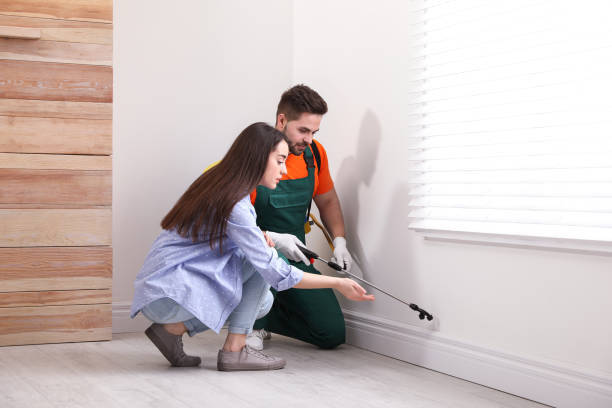
To effectively keep pests out, you need to block their entry points.
Here’s how to do it.
Gaps in walls and floors are highways for pests.
Inspect your kitchen for any cracks or holes.
Use caulk or sealant to fill these spaces.
Pay attention to areas around windows, doors, and plumbing.
By sealing these entry points, you cut off easy access for pests.
It’s a simple step that can make a big difference in keeping your kitchen pest-free.
Fruit flies and drain flies are common nuisances in the kitchen.
To combat them, keep your drains clean.
Pour boiling water down the sink regularly to clear out any organic matter they thrive on.
For fruit flies, use a simple trap.
Fill a small dish with apple cider vinegar and cover it with plastic wrap.
Poke a few holes in the wrap.
Flies will be attracted to the vinegar and get trapped.
These easy measures help maintain a natural pest control environment.
Pantry moths can be surprisingly difficult to get rid of.
Regularly check your pantry for signs of infestation, such as webbing or larvae.
If you spot an issue, remove and dispose of affected items immediately.
To prevent future problems, use diatomaceous earth safe use in your pantry.
Sprinkle a small amount on shelves.
It’s non-toxic and creates a barrier against moths.
With these strategies, you can keep your pantry moth-free and your food safe.
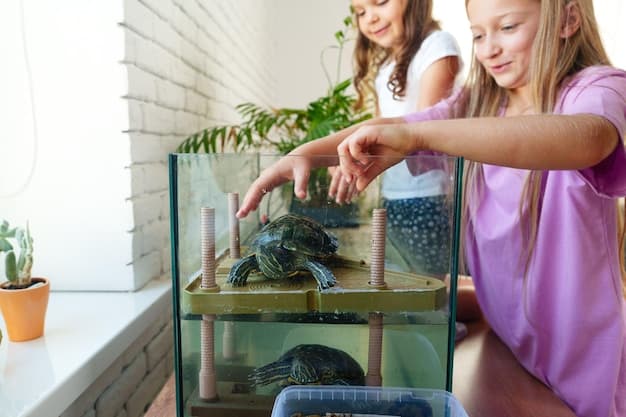
Eco-friendly pest prevention for renters includes natural repellents, daily cleaning, sealing entry points, moisture control, and pet-safe DIY solutio...

This guide details reptile-safe pest control using natural, non-toxic methods like diatomaceous earth, vinegar sprays, sticky traps, and habitat clean...
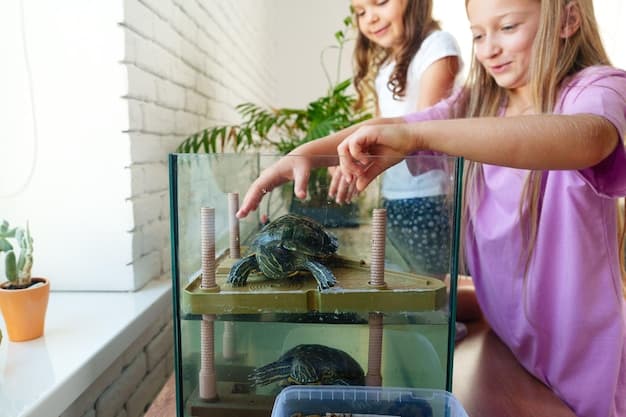
Learn natural, reptile-safe pest control: use food-grade diatomaceous earth outside enclosures, water-filled leg moats for ants, vinegar cleaning, sub...

This checklist offers natural, safe, and affordable spring pest prevention tips for homeowners, including sealing entry points, using kitchen ingredie...
