
Pests slip into homes through tiny cracks and gaps you might never notice.
Spotting these pest entry points early can save you from costly damage and constant worry.
In this guide, you’ll learn simple, natural ways to seal pest entry and keep your home safe using eco-friendly pest solutions.
Let’s take the first step toward effective home pest prevention without harsh chemicals.
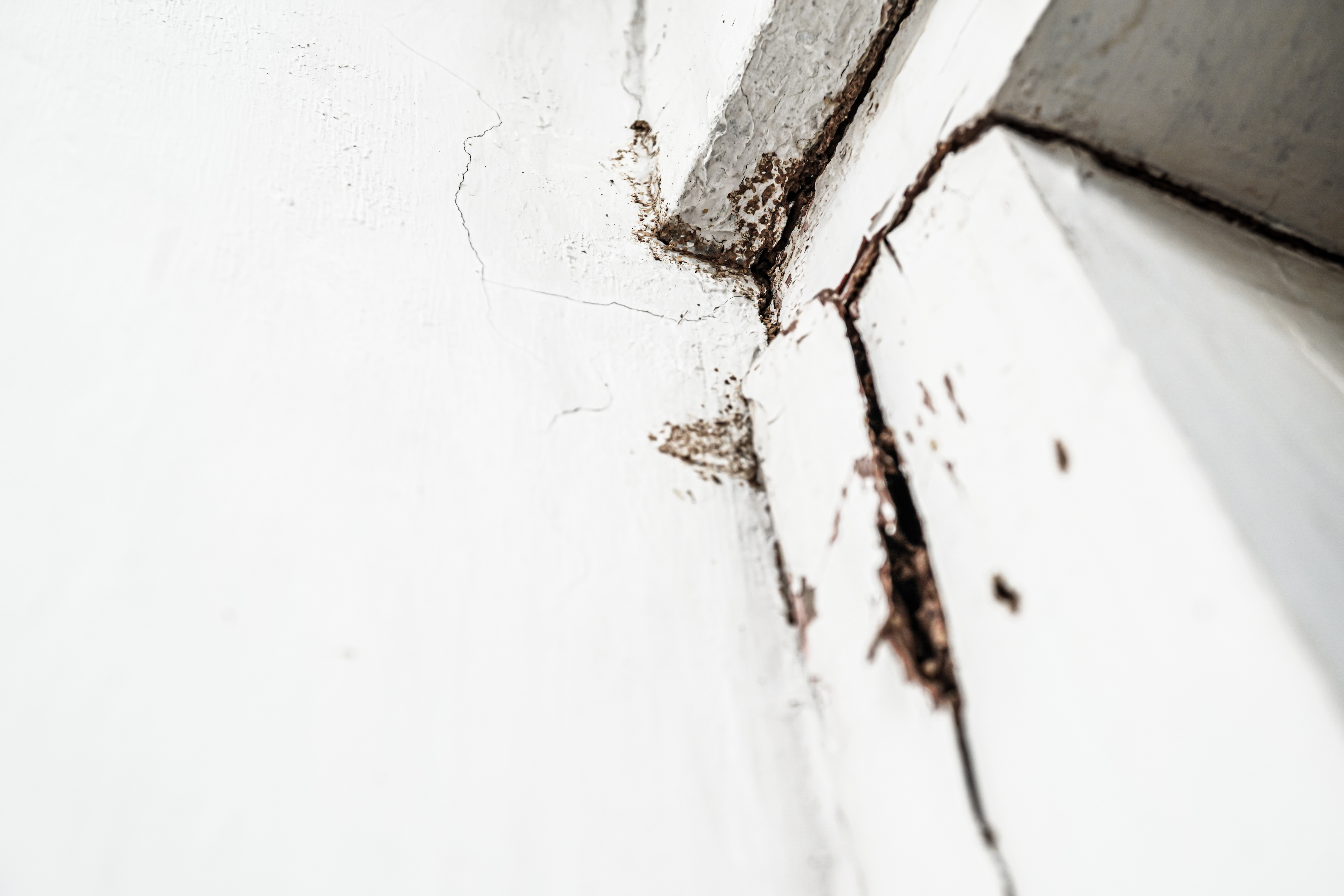
Identifying where pests enter your home is key to keeping them out for good.
Let’s explore some common areas these sneaky intruders might be using.
Pests often find their way inside through overlooked spots.
Windows, doors, and cracks in the foundation are prime targets.
Even the tiniest gap can invite unwanted guests.
Weather stripping around doors and windows might wear out over time, creating easy access points.
Foundations can crack due to natural settling, offering a hidden passage for pests.
Rooflines and chimneys are another area to watch.
Squirrels and birds see these as open invitations.
Check the attic for any signs of holes or gaps.
Chimneys without proper caps can also be a pest highway.
A quick inspection can reveal these entry points, making it easier to close them off.
Noticing signs of pests early can prevent larger problems.
Droppings are a clear indication of an infestation.
Look for them in cabinets, basements, and attics.
Chewed wires or furniture signal more than just a curious mouse.
These signs suggest pests are making themselves at home.
Gnaw marks around food storage or baseboards are another red flag.
You might also notice an unusual smell, especially in enclosed spaces.
If you see these signs, it’s time to act before the problem grows.
Identifying these clues helps in determining the right areas to seal.

Once you’ve spotted the entry points, it’s time to seal them.
Using natural and eco-friendly methods ensures you protect your home without harming the environment.
Natural solutions can be highly effective.
Use steel wool for small cracks and gaps.
It’s tough, and pests can’t chew through it.
For larger openings, think about using copper mesh.
It’s durable and won’t rust over time, providing a long-term solution.
Caulking is another method.
Opt for a non-toxic sealant to fill in larger gaps.
It’s easy to apply and dries quickly.
Remember to reapply as needed, especially in areas with fluctuating temperatures.
These materials keep pests out while being kind to the planet.
Sealing entry points requires a bit of effort but can be done with ease.
Start by inspecting areas around windows and doors.
Use weather stripping to cover gaps.
It’s a simple fix that adds an extra layer of protection.
For foundations, apply caulk to any visible cracks.
Use a caulking gun for precision and ensure a tight seal.
Don’t forget to check areas around pipes and vents.
These too can be sealed using caulk or expanding foam.
Taking these steps not only safeguards your home but also promotes a more sustainable living environment.
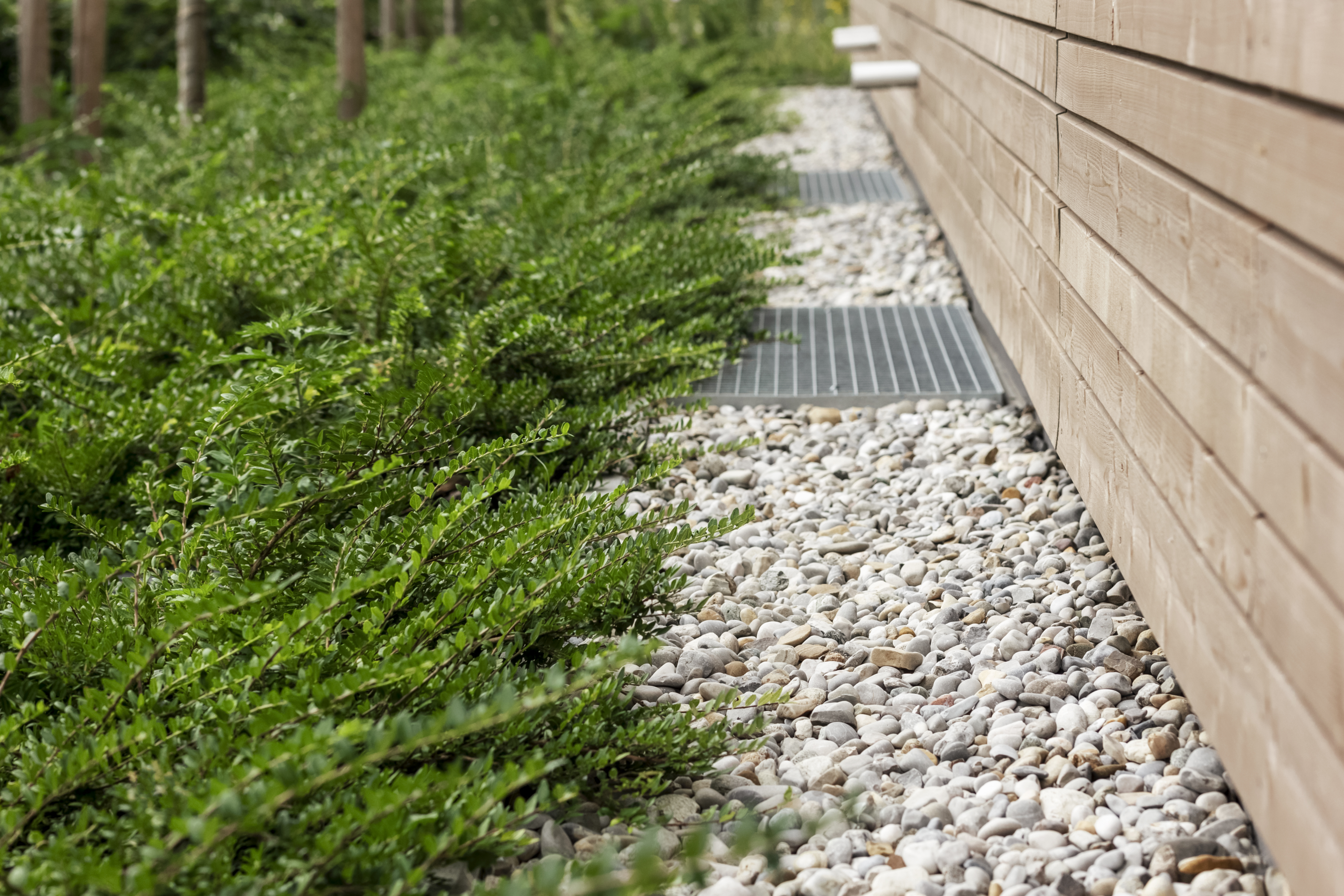
Preventing pests is an ongoing task.
Regular checks and maintenance can keep your home pest-free, providing peace of mind.
Set a schedule for routine inspections.
Every month, walk around your home and look for new cracks or holes.
Pay attention to areas with high moisture since these attract pests.
A flashlight can help spot hidden gaps.
Check your attic and basement for any signs of unwanted guests.
Also, examine the exterior of your home.
If you notice any changes, address them immediately.
Regular checks ensure you catch problems before they escalate, keeping your home safe and secure.
An eco-friendly home is not just about sealing entry points.
It involves keeping your surroundings clean and less inviting to pests.
Ensure your trash bins have tight lids and are emptied regularly.
Compost piles should be kept away from the home.
Plant pest-repelling herbs like mint and basil around your garden.
These natural barriers can deter pests from venturing inside.
Encourage biodiversity by creating habitats for beneficial insects.
Doing so maintains a healthy ecosystem and reduces the need for chemical interventions.
By combining these strategies, you can enjoy a pest-free and environmentally-friendly home.
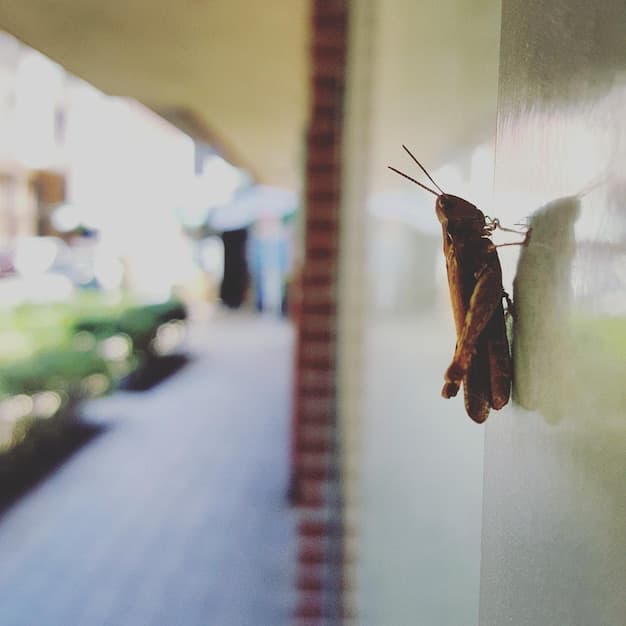
Avoid common natural pest control mistakes like misusing essential oils, ignoring entry points, and overlooking pest habitats. Use pet-safe remedies, ...
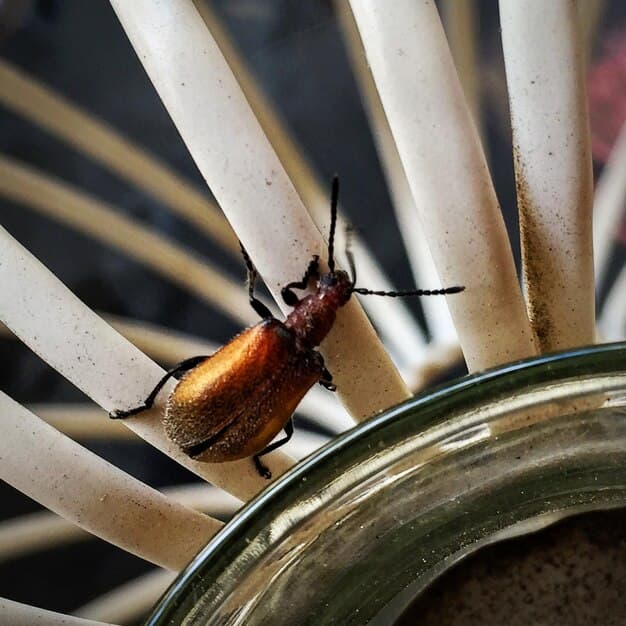
Spring pests surge due to warmer weather seeking food and shelter. Natural, non-toxic methods like vinegar, essential oils, sealing entry points, and ...

Layered natural pest control combines prevention, sealing, trapping, and repellents using safe, non-toxic methods like essential oils, diatomaceous ea...

Year-round guide for natural, chemical-free garden pest control: use seasonal strategies, companion planting, beneficial insects, DIY sprays, traps, a...
