
Pests can sneak into your garden fast, turning your safe haven into a battleground.
Waiting until they become a problem makes control harder and riskier.
With eco-friendly pest control, you can stop issues before they start—using simple, non-toxic methods safe for pets and kids.
Let’s walk through natural garden pest prevention steps that protect your plants and peace of mind.
For more tips, check out this eco-friendly pest management guide.
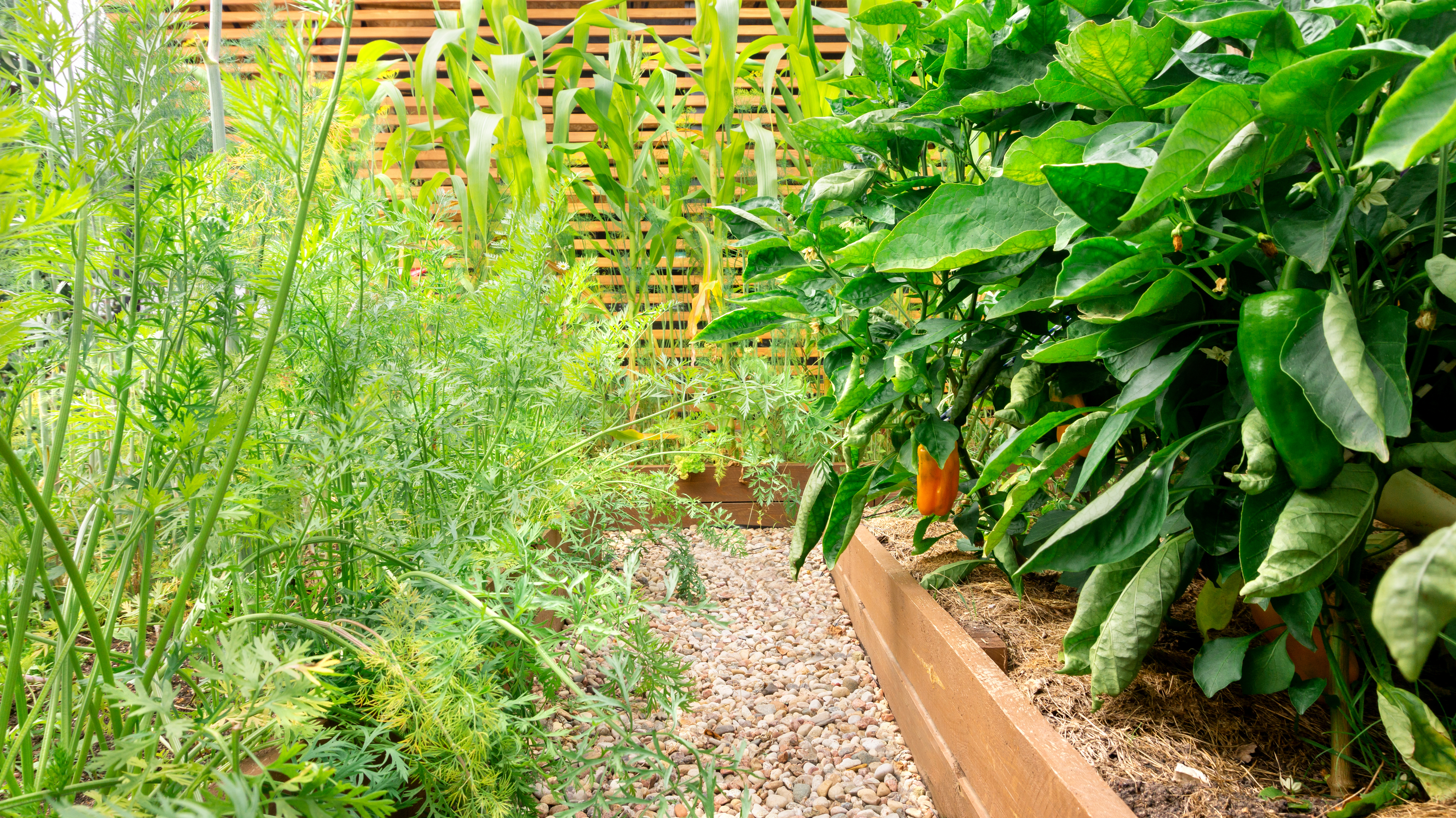
Gardening can be a joyful experience, but pests can quickly turn that joy into frustration.
By focusing on natural prevention techniques, you can maintain a healthy, thriving garden.
Strong soil means strong plants.
By cultivating healthy soil, you create an environment where pests struggle to thrive.
Start by testing your soil to understand its nutrient levels and pH balance.
Adding organic matter like compost can improve soil structure and nutrient content.
Healthy soil supports beneficial microbes that help plants resist pests.
For example, a well-composted soil can host up to 1 billion bacteria per gram, aiding plant health.
Regularly turning your soil and adding organic amendments can also help prevent pest infestations naturally.
Remember, healthy soil is your first line of defense.
Strategically planting certain species together can deter pests effectively.
Known as companion planting, this method utilizes plant pairings to protect your garden.
For instance, marigolds are great at keeping nematodes away from your tomatoes.
Basil can help repel flies and mosquitoes, making it a perfect companion for many vegetables.
Companion planting not only deters pests but also attracts beneficial insects.
This approach promotes biodiversity, which can naturally keep pest populations in check.
Consider experimenting with different combinations to find what works best for your garden setup.
Mulching helps maintain soil moisture while suppressing weeds and reducing pest habitats.
A layer of mulch can prevent many pests from reaching plants.
Choose organic mulches like straw or wood chips for added soil enrichment as they decompose.
Maintaining proper moisture is equally important.
Overwatering can invite pests and diseases, so monitor your garden’s moisture levels.
Install drip irrigation systems to ensure even watering without saturating the soil.
A balance of mulch and moisture keeps your garden pest-free and flourishing.
Once pests appear, you need solutions that are safe for both your family and the environment.
Non-toxic options offer peace of mind while effectively managing unwanted visitors.
Creating your own pest sprays can be both effective and satisfying.
Start with a simple garlic and pepper spray.
Blend one garlic bulb, one onion, and one teaspoon of cayenne pepper with water.
Let it sit, then strain and spray on plants.
It’s a great way to deter insects.
Another easy recipe is the soap and oil spray.
Mix one tablespoon of dish soap with a cup of cooking oil.
Add a quart of water, shake well, and spray on affected areas.
This mixture can disrupt the outer shell of pests, making it a potent solution.
Homemade sprays are budget-friendly and customizable to your needs.
Encouraging beneficial insects is a sustainable way to manage pests.
Ladybugs, for example, can consume up to 5,000 aphids in their lifetime.
Planting flowers like dill, fennel, and yarrow can attract these helpful insects.
Creating diverse habitats encourages a variety of beneficial species.
Provide water sources and shelter to keep them around.
The more you can attract these natural predators, the less you’ll need to rely on other pest control methods.
Your kitchen holds many secret pest control weapons.
For instance, coffee grounds deter slugs and snails, while baking soda can disrupt ants’ trails.
Sprinkle these ingredients where pests frequent for a simple yet effective solution.
Vinegar is another versatile tool.
Its strong smell is off-putting to many insects.
Mix equal parts vinegar and water for a spray that can deter ants and fruit flies.
Using common kitchen items not only saves money but also keeps your garden safe.
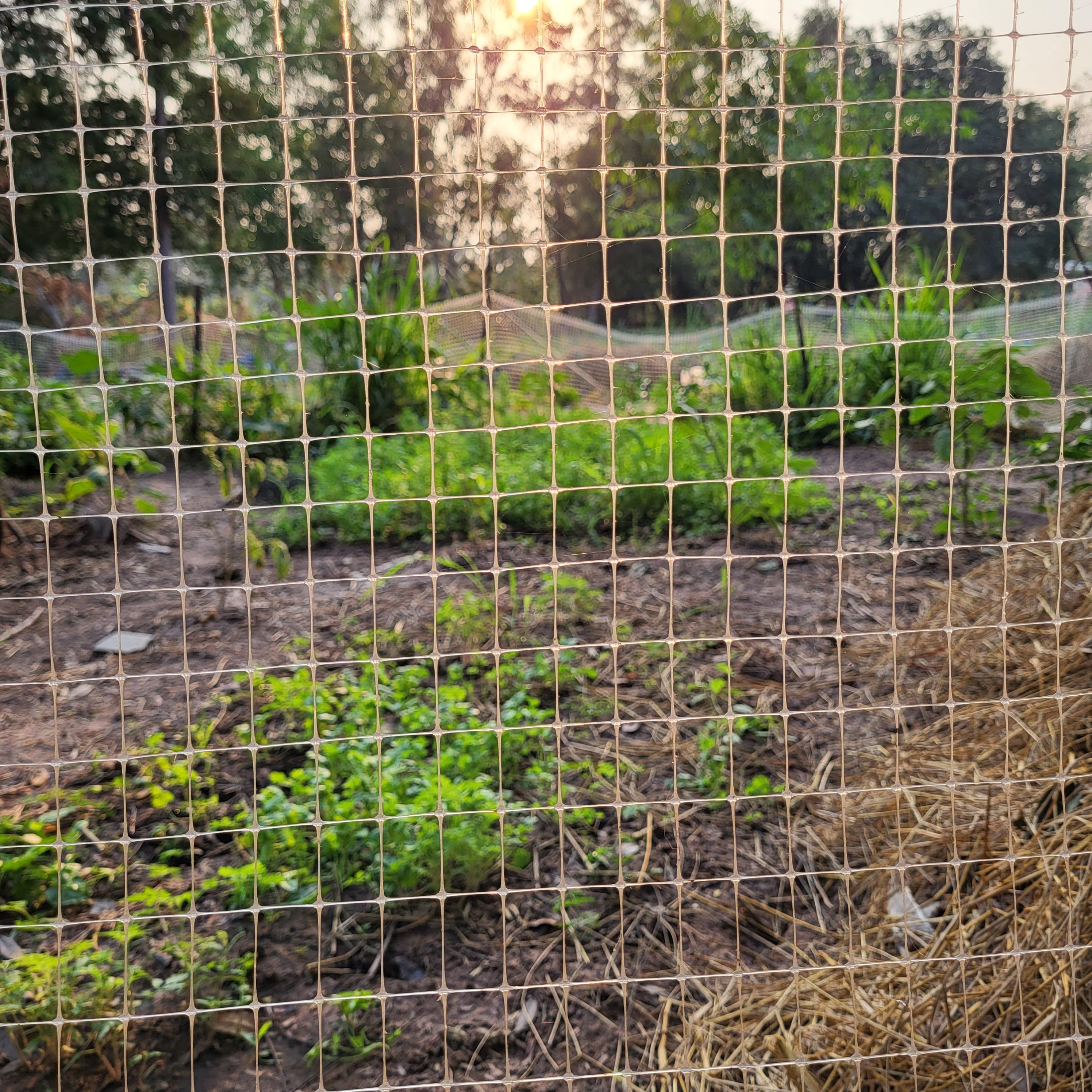
Physical barriers and traps can be highly effective in keeping pests out of your garden.
These methods form the third pillar of a robust pest prevention strategy.
Row covers can offer protection from many insects, acting as a physical shield for your plants.
They are easy to install and can be removed once the threat has passed.
Sticky traps are another useful tool, catching flying insects before they lay eggs.
Setting up these traps and covers is simple and can drastically reduce pest numbers.
They are reusable and effective without introducing any harmful chemicals into your garden.
Slugs and snails can devastate a garden if left unchecked.
To control them, try setting up beer traps.
Bury a shallow dish and fill it with beer; slugs are attracted to the yeast and will drown.
You can also use copper tape around plant pots, as slugs dislike crossing copper surfaces.
With these simple, non-toxic methods, you can keep your garden safe from these persistent pests.
Ants can be both a nuisance and a helper in the garden.
While they aerate soil, they can also protect harmful pests.
To manage ants, sprinkle diatomaceous earth around plants.
This natural powder is safe for humans and pets but deadly to insects.
For more targeted control, set up sugar and borax traps.
Mix one part borax with three parts sugar and water, then soak cotton balls in the solution.
Place these near ant trails, and they’ll carry the mixture back to their colonies.
This approach keeps your garden ant-free while benefiting from their soil-aerating habits.
By implementing these eco-friendly strategies, you can maintain a thriving, pest-free garden that’s safe for your family and the environment.
Remember, the longer you wait to address pests, the more challenging it becomes.
Start incorporating these methods today to keep your garden healthy and flourishing.
Avoid common natural pest control mistakes like misusing essential oils, ignoring entry points, and overlooking pest habitats. Use pet-safe remedies, ...
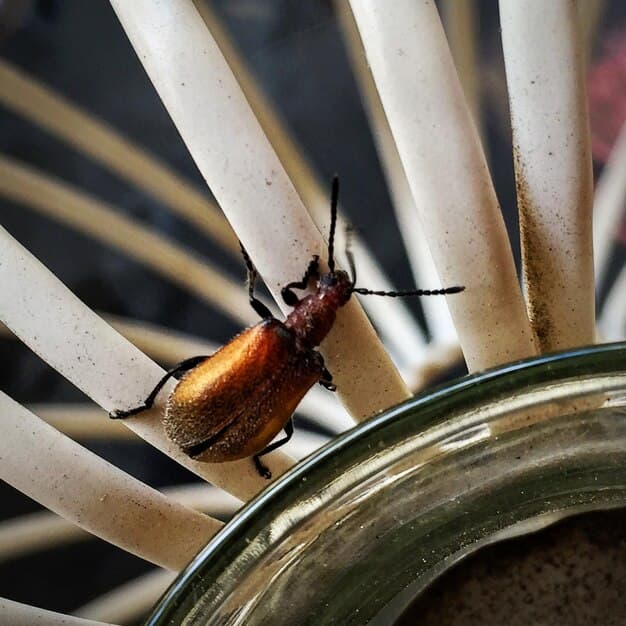
Spring pests surge due to warmer weather seeking food and shelter. Natural, non-toxic methods like vinegar, essential oils, sealing entry points, and ...

Layered natural pest control combines prevention, sealing, trapping, and repellents using safe, non-toxic methods like essential oils, diatomaceous ea...
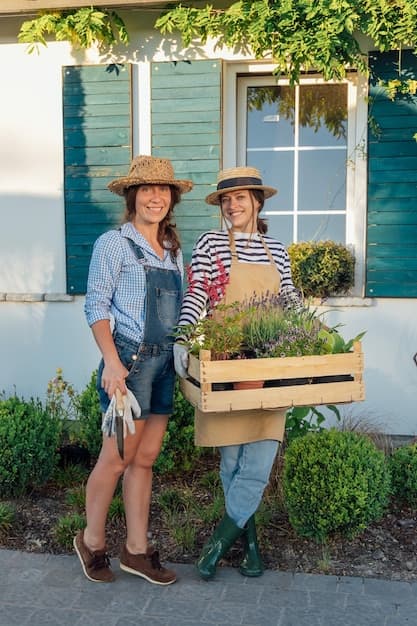
Year-round guide for natural, chemical-free garden pest control: use seasonal strategies, companion planting, beneficial insects, DIY sprays, traps, a...
