
Pests sneaking into your home is more common than you think—and it can feel like a never-ending battle.
But you don’t need harsh chemicals or big budgets to keep them out.
This guide on DIY pest-proofing shares renter-friendly pest tips and natural pest control tricks that anyone can try today.
Let’s get your home protected with simple, affordable steps that work safely for you and your family.
For more strategies, check out this guide to bug-proofing.
Stopping pests from getting in is half the battle.
Let’s start by checking and sealing those sneaky entry points.
First, grab a notebook and a flashlight.
You’re on a mission to find cracks and gaps.
Check windows and doors—both are common offenders.
Shine your light around the frames, focusing on corners.
Don’t forget about utility openings where wires and pipes meet walls.
Make a list of everything that needs sealing so you can tackle them all at once.
Next, inspect your home’s foundation.
Look for any cracks or holes that might invite unwanted guests.
Even tiny gaps can let in bugs.
If you spot something, jot it down.
Remember, a little prevention goes a long way in keeping pests out.
For renters, sealing can be tricky.
You don’t want to damage anything or break your lease terms.
Luckily, simple fixes exist.
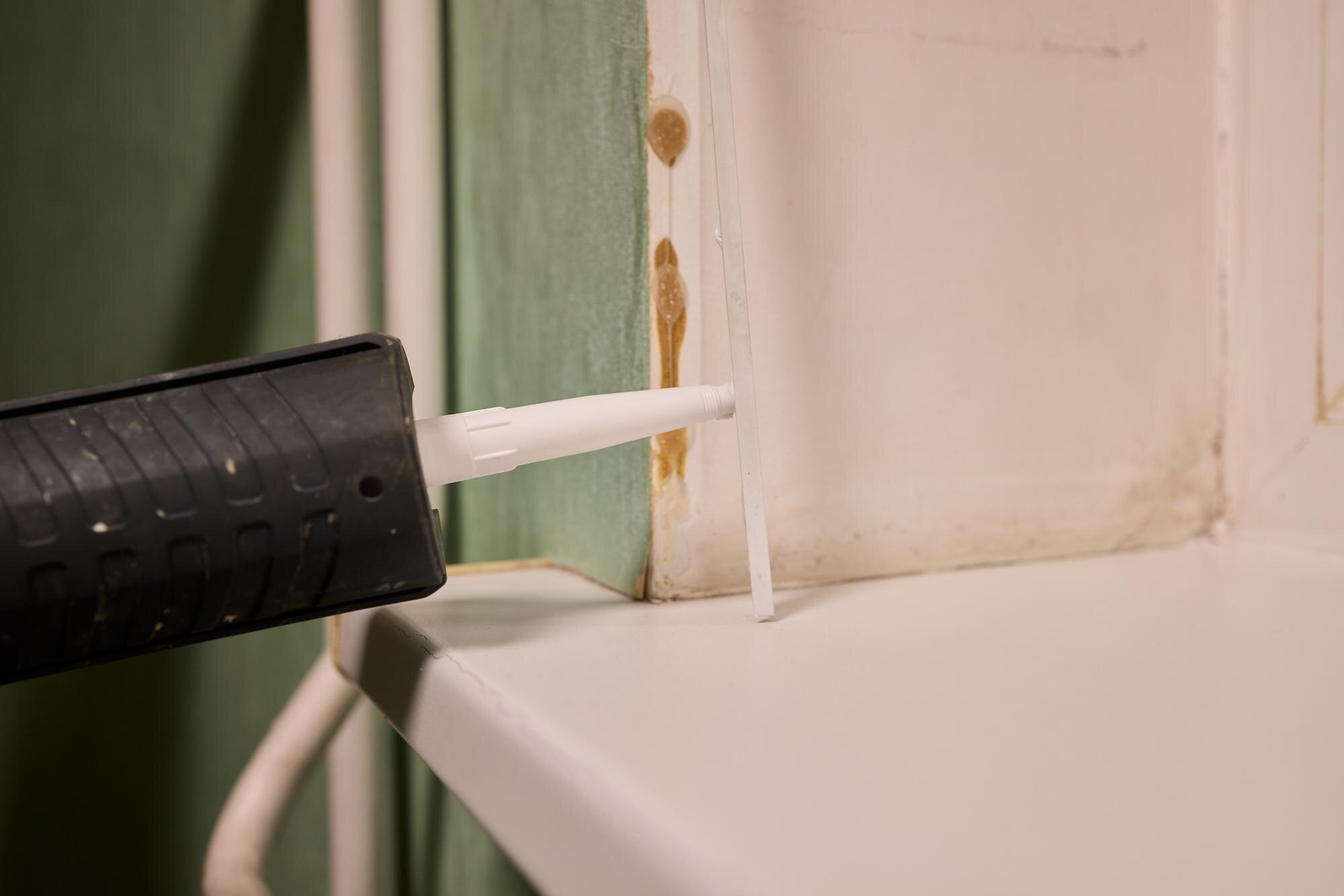
Use removable caulk strips for windows.
They’re easy to apply and peel off when it’s time to move.
For doors, draft stoppers work wonders.
These simple tools keep cold air out, too.
Another tip: use weatherstripping for extra protection.
It’s a cost-effective way to seal gaps around doors.
These solutions are not only effective but also renter-friendly, ensuring you stay pest-free without breaking the rules.
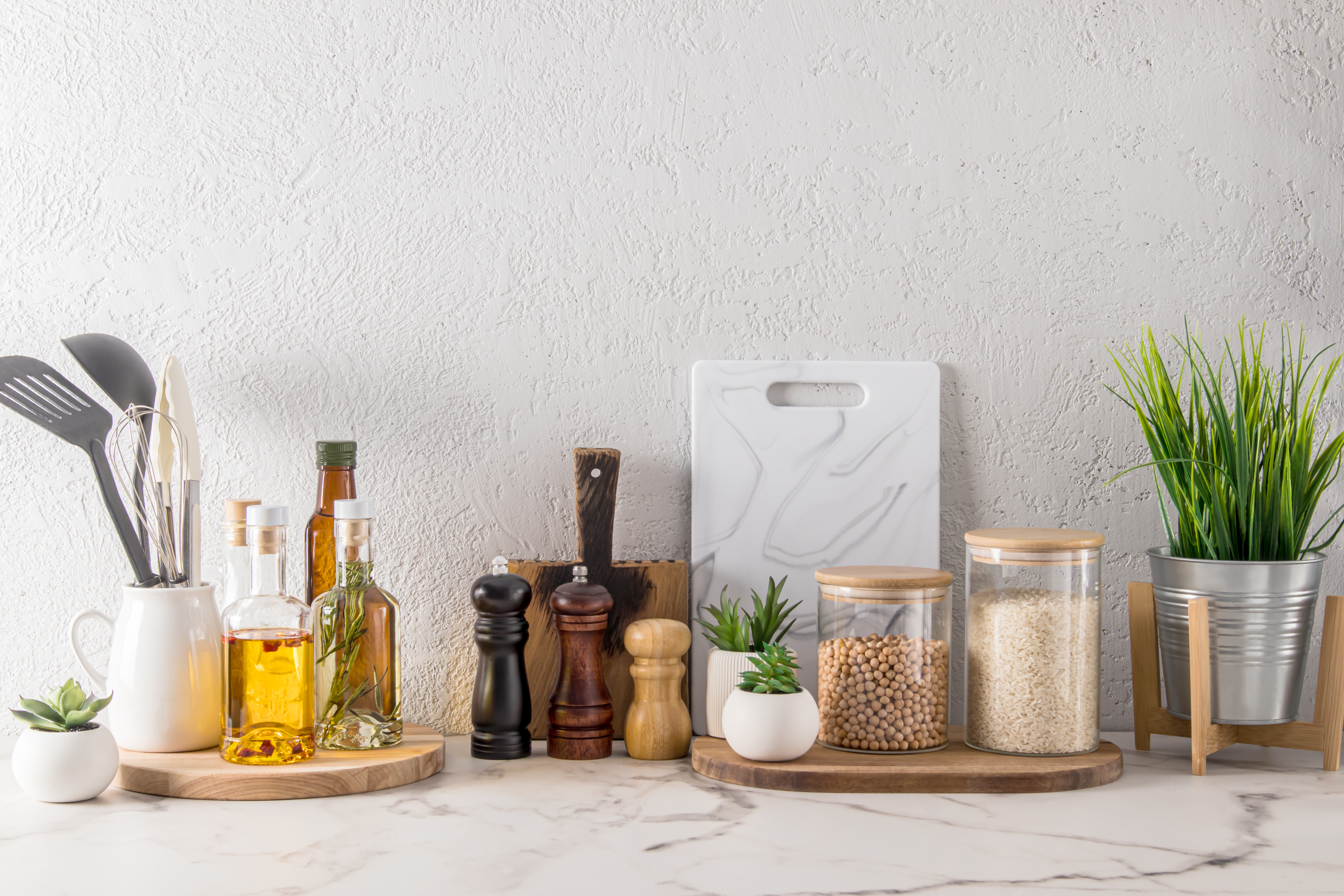
Your kitchen is a hotspot for pests.
Let’s explore some natural ways to keep it pest-free.
You don’t need harsh chemicals to protect your kitchen.
Common pantry items can do the trick. Diatomaceous earth is perfect for ants.
Sprinkle a thin layer where you’ve seen them.
It’s safe around food and pets, making it a top choice for families. Check out this article for a deeper dive into using natural products.
Another kitchen hero is peppermint oil.
Its strong scent repels spiders and mice.
Add a few drops to a spray bottle with water and mist your counters and sinks.
This simple trick keeps pests away without leaving harmful residues.
Proper food storage is crucial.
Always keep your food in airtight containers.
Pests love open bags and boxes! Glass or thick plastic containers work best, as they’re tough for pests to invade.
You’ll also extend your food’s freshness—a win-win!
Pay attention to your pantry organization.
Place older items at the front, so they’re used first.
This rotation helps prevent spoilage and keeps pests from finding expired food.
Remember, a tidy pantry is a pest-free pantry.
Pests thrive in damp environments.
Let’s tackle moisture control and outdoor strategies to keep them at bay.
First, keep an eye on humidity levels.
Use a dehumidifier in damp areas like basements.
Keeping indoor humidity below 50% makes your home less appealing to pests.
Check for any leaks under sinks or near appliances, as these can create prime breeding grounds.
Ventilation is your friend.
Open windows or use fans in areas prone to moisture.
This simple step helps dry out the air and prevent mold growth, which attracts pests.
Your yard can either invite or repel pests.
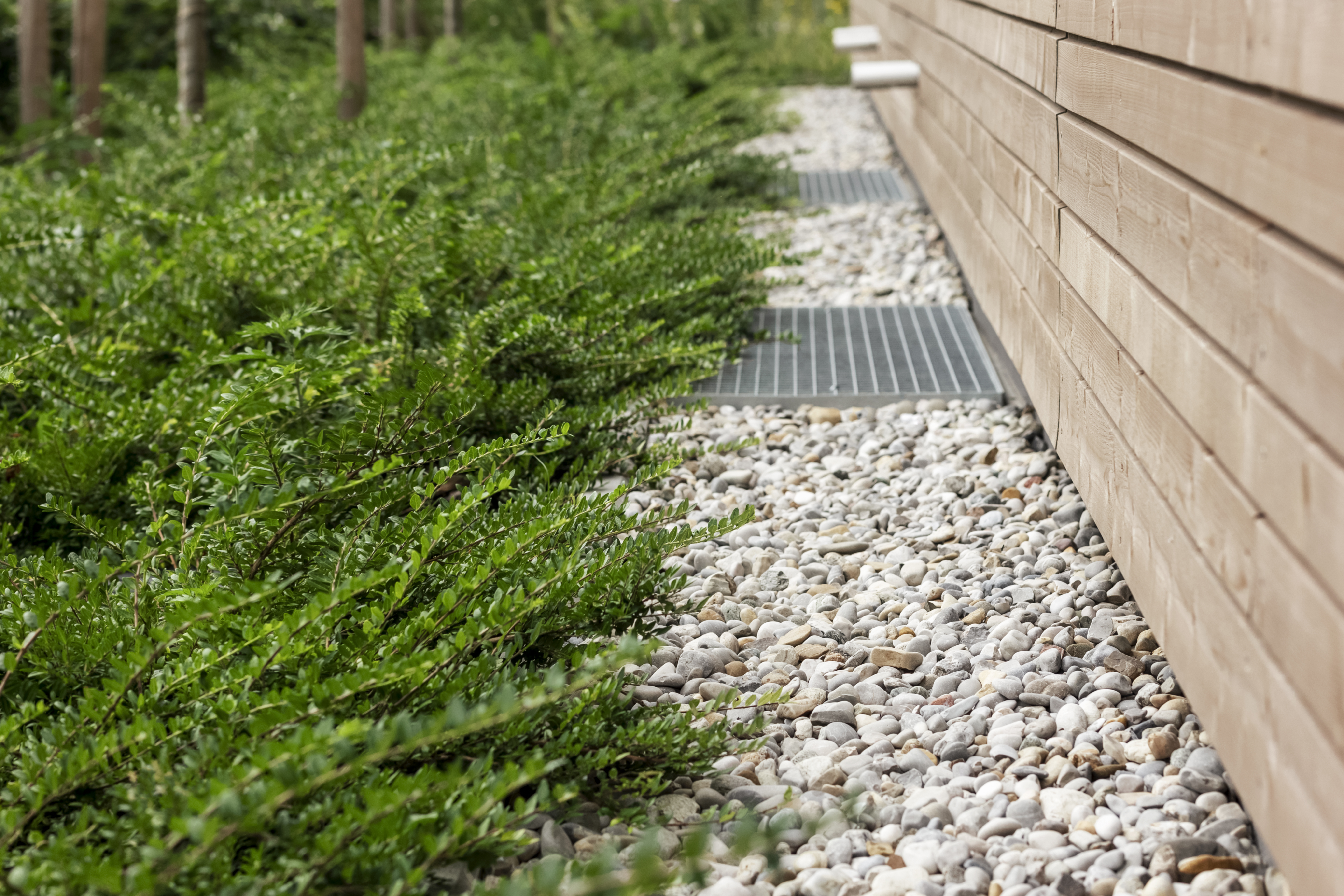
Start by trimming back bushes and plants.
Overgrown foliage provides shelter for critters.
Keep plantings at least a foot from your home’s exterior.
This gap is crucial for minimizing pest pathways.
Consider adding pest-repelling plants. Marigolds and rosemary are great choices.
They deter insects naturally and add beauty to your garden. This community shares great tips on pest-repelling plants.
Finally, check for standing water around your property.
Mosquitoes breed in stagnant water, so empty birdbaths and clean gutters regularly.
The drier your yard, the fewer pests you’ll encounter.
By following these steps, you’re well on your way to a pest-free home.
Remember, taking small actions consistently leads to big results.
With these affordable and non-toxic tips, you can confidently keep pests at bay.
Avoid common natural pest control mistakes like misusing essential oils, ignoring entry points, and overlooking pest habitats. Use pet-safe remedies, ...
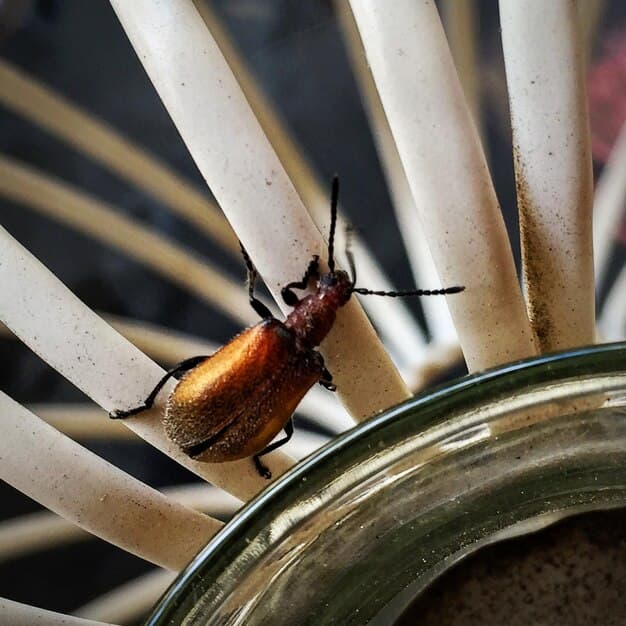
Spring pests surge due to warmer weather seeking food and shelter. Natural, non-toxic methods like vinegar, essential oils, sealing entry points, and ...

Layered natural pest control combines prevention, sealing, trapping, and repellents using safe, non-toxic methods like essential oils, diatomaceous ea...
Year-round guide for natural, chemical-free garden pest control: use seasonal strategies, companion planting, beneficial insects, DIY sprays, traps, a...
