
Pests don’t have to take over your home—or your wallet.
Many natural pest deterrents hide right in your kitchen, ready to keep unwanted visitors away without harmful chemicals.
In this guide, you’ll learn simple steps to make effective DIY pest control solutions using everyday kitchen staples.
Let’s get started on creating an eco-friendly pest-free home that’s safe for your family and pets.
Check out more ideas here.
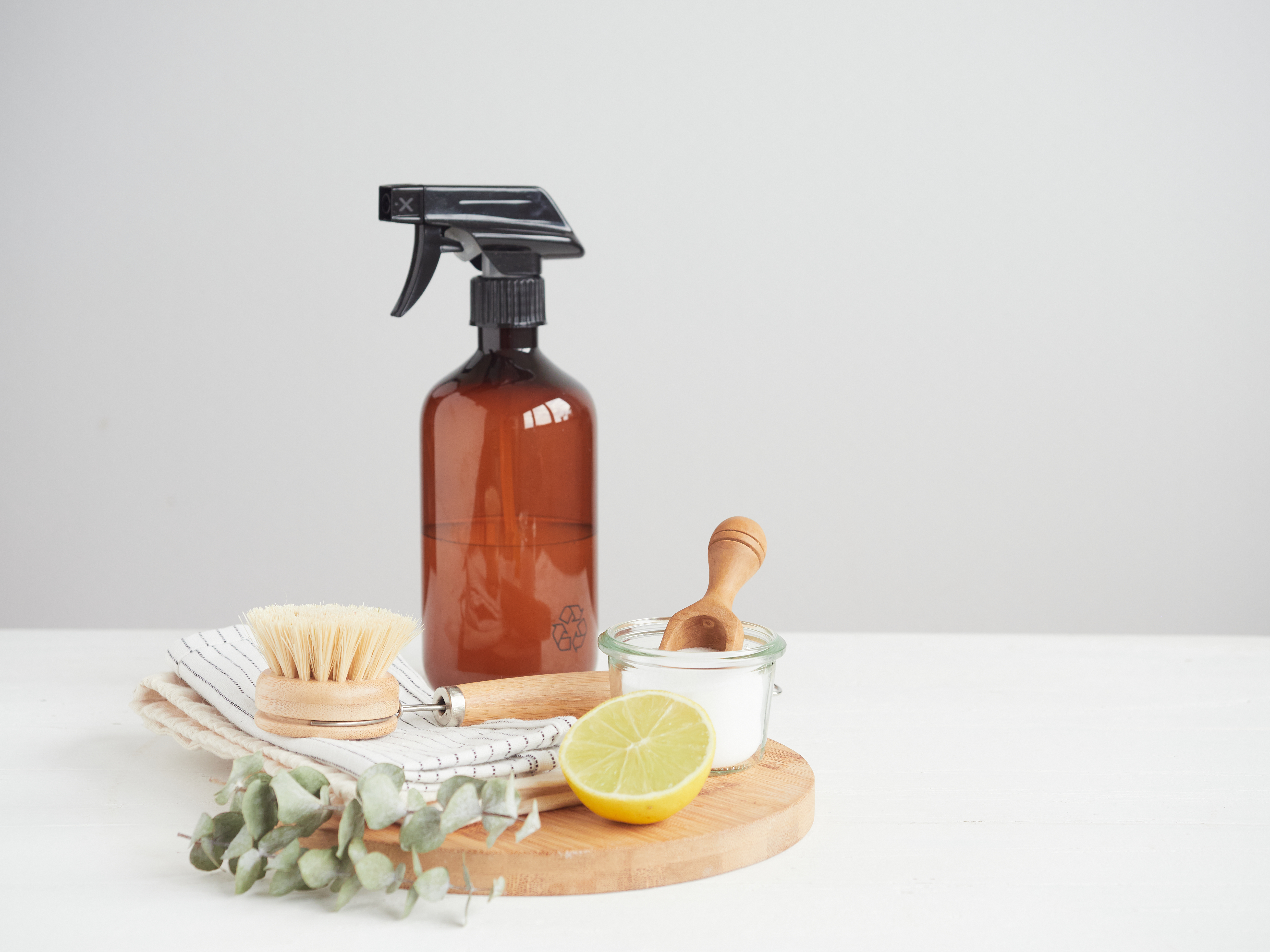
Let’s explore some simple solutions that can help keep pests at bay.
These home remedies use ingredients you likely already have.
Vinegar is more than a kitchen staple; it’s a powerful pest deterrent.
Combine it with essential oils, and you have a strong solution against pests.
Here’s how it works: the smell repels many bugs, while the acid acts as a natural cleaner.
Start by mixing half a cup of vinegar with a cup of water.
Add around ten drops of an essential oil like peppermint or eucalyptus. These oils are known to drive away insects.
Pour this mix into a spray bottle.
Spray it around windows, door frames, and any other entry points.
A bonus?
You’ll enjoy a fresh scent in your home without the chemicals. Most people think they need harsh products, but nature provides safer options.
Ants can be persistent, but you don’t need to resort to chemicals.
A simple baking soda mixture can disrupt their trails. Baking soda is a common household item with surprising pest-repelling properties.
Mix equal parts of baking soda and powdered sugar. The sugar lures the ants, while the baking soda interferes with their digestive processes.
Sprinkle this mix along the ant trails and near entry points.
This approach is effective and safe for pets and children. Most assume professional help is necessary, but with baking soda, you’ve got a powerful ally right in your pantry.
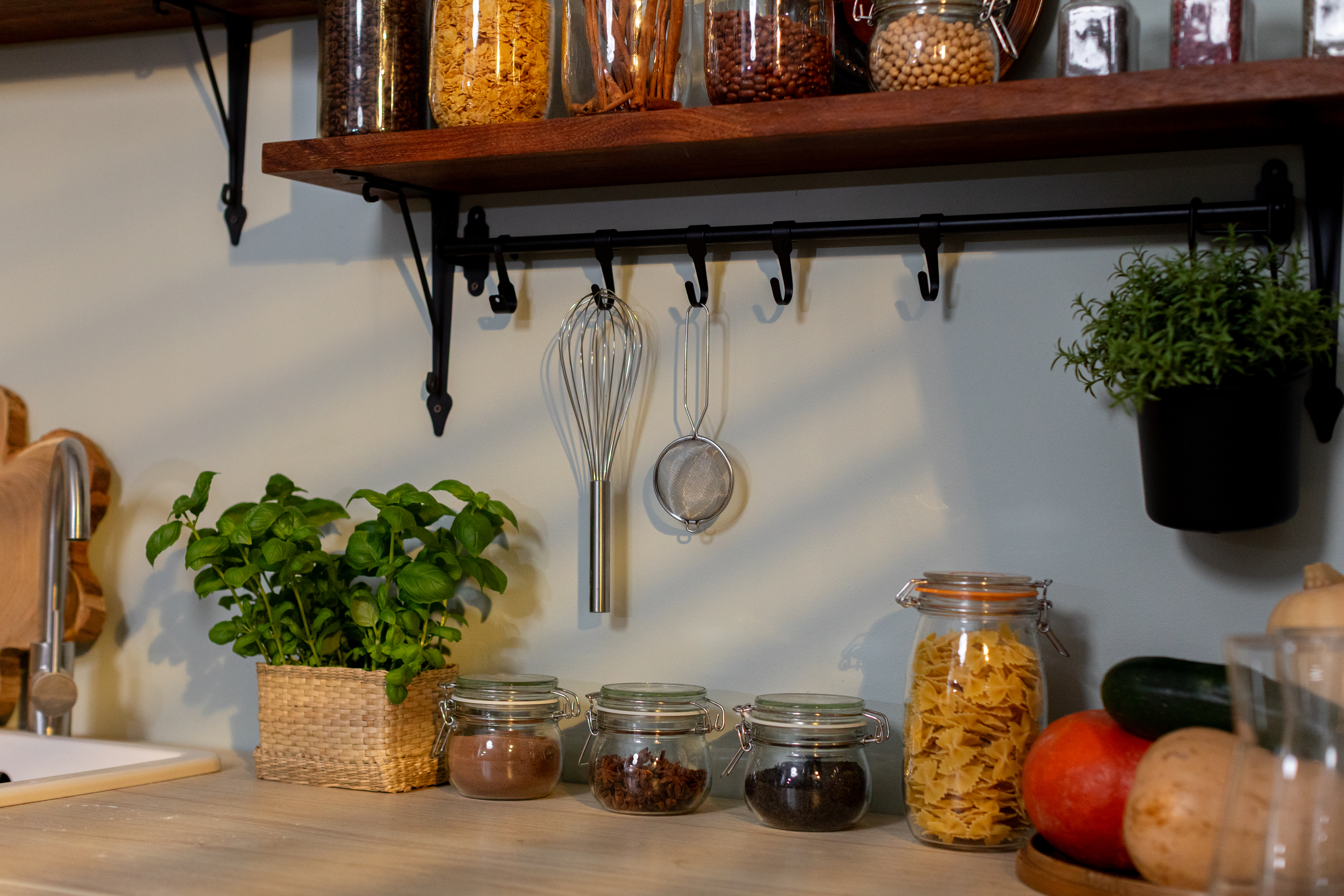
Harnessing the power of natural ingredients can be both effective and satisfying.
Let’s look at more pest deterrents you can make at home.
Garlic and onion aren’t just for cooking—they’re strong pest repellents. The pungent smell confuses bugs and masks the odors they follow.
Here’s how to make the spray.
Chop one onion and a couple of garlic cloves.
Boil them in a quart of water for about ten minutes.
Let the mixture cool, strain it, and pour into a spray bottle.
Spray this around your garden and indoor plants.
This mixture is safe for your plants and keeps pests away. Most people don’t realize kitchen staples can double as pest control tools.
Spiders dislike the smell of citrus.
Use your leftover orange or lemon peels to keep them at bay. This method is a win-win: pest control and a pleasant aroma.
Take the peels and rub them along baseboards, window sills, and corners.
The natural oils in the peels create an unfriendly environment for spiders.
You can also place dried peels in cabinets and closets.
Spiders play a role in managing other pests, but it’s okay to keep them out of your personal space. Many believe spiders are unavoidable, but a little citrus can change that.
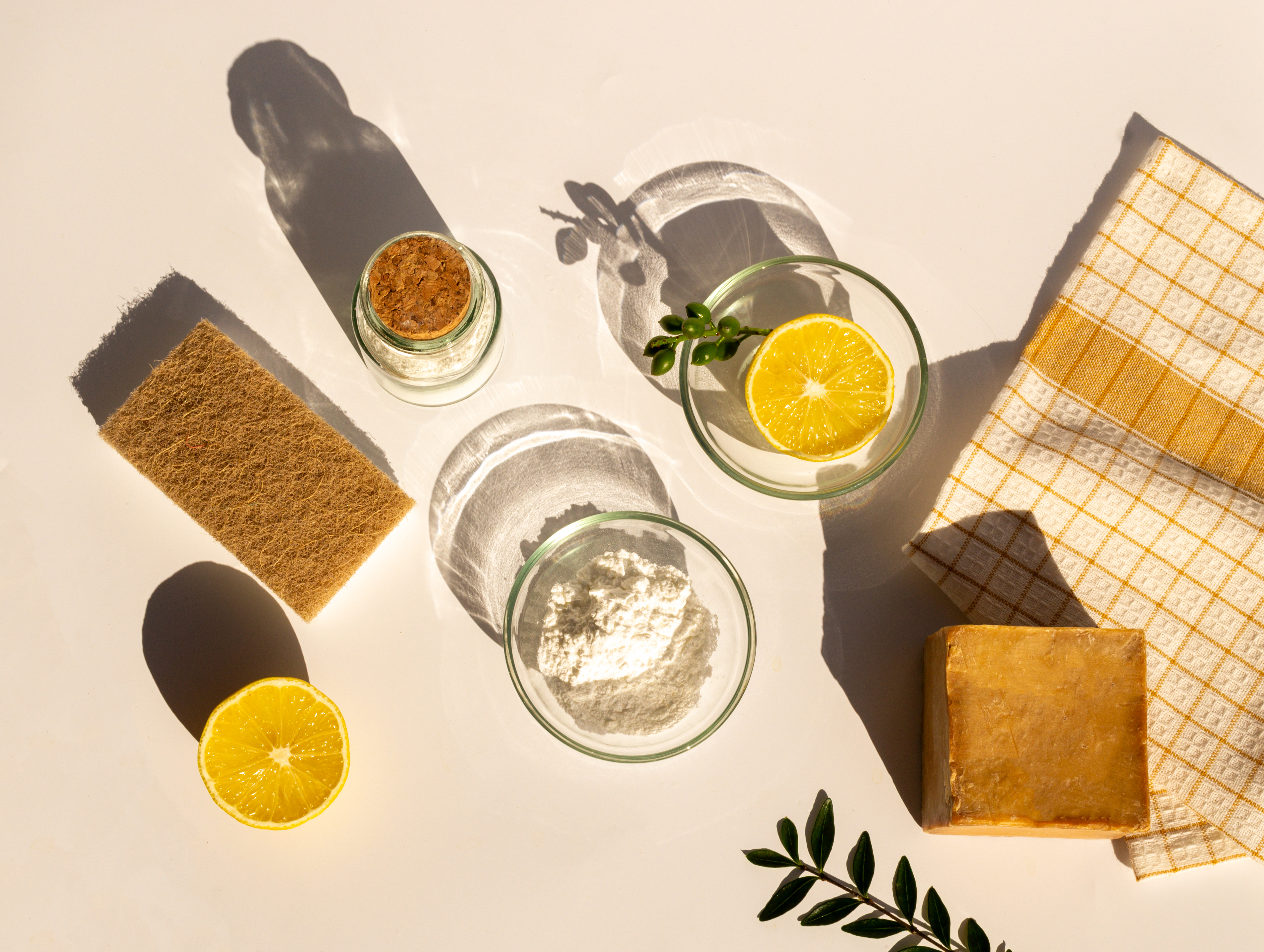
Eco-friendly solutions offer peace of mind while protecting your home from pests.
Let’s delve into a couple more ways to keep pests at bay naturally.
If slugs are munching on your garden, coffee grounds can help. The texture and smell are unappealing to slugs, so they steer clear.
After brewing your coffee, sprinkle the grounds around your plants.
The grounds act as a barrier and a natural fertilizer.
Just remember to refresh them after rain.
Many gardeners think they need harsh chemicals, but coffee grounds offer a simple and effective alternative.
Salt can be a powerful ally against fleas and ticks. The granules dehydrate these pests, making it a handy tool for your home.
Sprinkle table salt on carpets and leave it for 12-48 hours before vacuuming. For outdoor areas, coarse salt can be sprinkled to deter ticks.
This method is simple but requires consistent application to see results. Most believe professional treatments are necessary, but salt provides an affordable and natural solution.
By using these natural solutions, you can maintain a pest-free home safely and affordably.
Remember, the longer you wait to address a pest issue, the more challenging it can become.
So, why not start with items you already have?
Your eco-friendly pest control journey begins today.
Guide offers affordable, natural pest control for renters using safe, eco-friendly methods like sealing gaps, kitchen ingredients, essential oils, and...
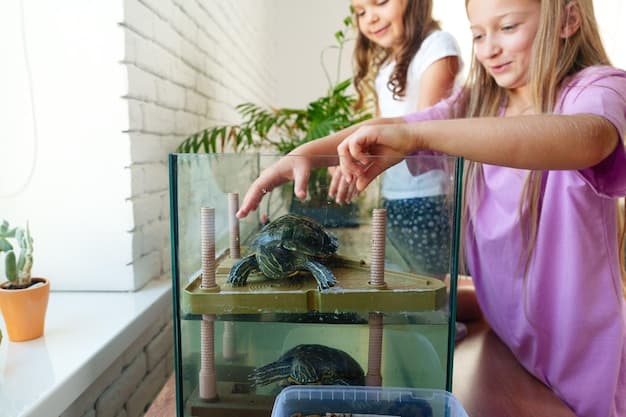
This guide details natural, reptile-safe pest control: identifying pests like snake mites and gnats, using bioactive helpers, predatory mites, natural...
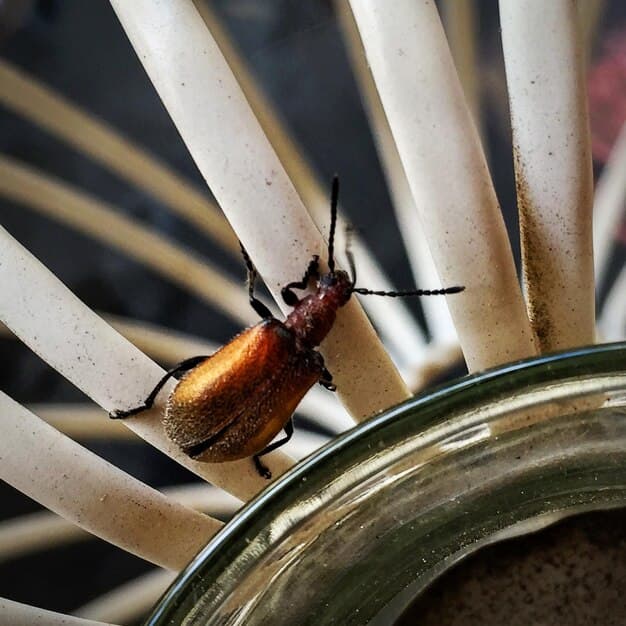
DIY guide offers safe, eco-friendly pest traps using household items like vinegar, sugar, yeast, and beer to control fruit flies, cockroaches, mosquit...
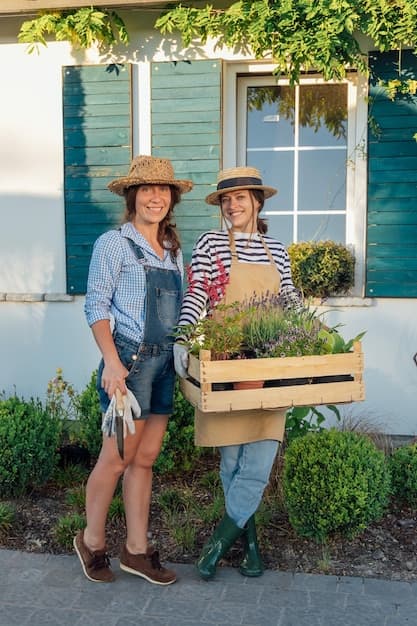
Learn eco-friendly pest control: use companion planting, attract beneficial insects, apply neem oil, soap sprays, diatomaceous earth, maintain garden ...
