
Most outdoor pest control methods rely on harsh chemicals that can harm your garden and the environment.
You want a pest-resistant garden that keeps bugs away without risking your plants or health.
This guide will show you simple, eco-friendly pest control practices that protect your outdoor space naturally and safely.
Explore our tips for outdoor pest prevention that fits right into your eco-conscious gardening routine. Learn more here.

Creating a pest-free garden without chemicals is easier than you might think.
Let’s explore some natural methods that can help you maintain a healthy and thriving outdoor space.
Start with natural pest deterrents that are safe for both plants and people.
Certain herbs and flowers do wonders for keeping bugs at bay.
Lavender, for instance, not only smells great but also repels mosquitoes.
Similarly, marigolds deter nematodes and other pests.
By incorporating these plants into your garden, you create a natural defense line.
Another effective method is using homemade sprays.
A simple mix of water and a few drops of essential oils like peppermint or eucalyptus can protect your plants from insects.
You’ll find these solutions affordable and easy to prepare with ingredients from your kitchen.
Designing a pest-resistant garden involves strategic planning.
First, consider companion planting.
Pairing certain plants together can naturally repel pests.
For example, plant basil near your tomatoes to keep flies away.
It’s a simple change that can lead to big improvements.
Additionally, maintaining garden health is crucial.
Ensure your soil is rich and well-draining, as healthy plants are less likely to attract pests.
Regularly check your plants for any signs of distress or infestation.
Catching issues early can prevent larger problems down the line.
Just a few minutes each week can save you from major headaches later.
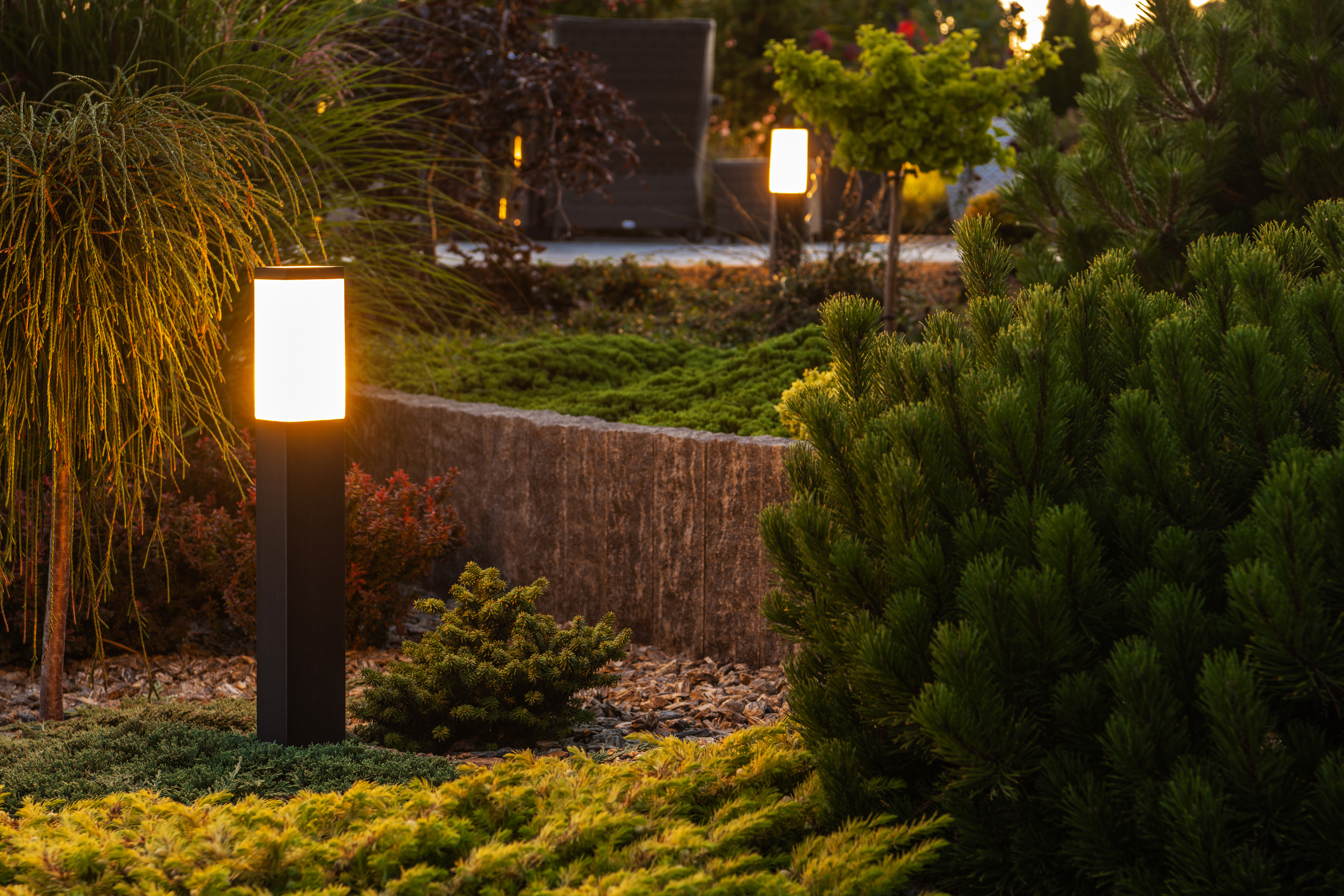
Now that we’ve covered some pest control basics, let’s talk about designing an outdoor space that naturally deters pests while being eco-friendly.
Crafting an outdoor environment that naturally deters pests starts with thoughtful design.
Mulching is a great place to start.
Use organic mulch to suppress weeds and retain moisture, which deters pests from setting up camp.
Consider installing birdhouses or bat boxes.
Birds and bats are natural predators of many common garden pests.
By inviting these creatures into your garden, you create a natural pest management system.
Adopt eco-conscious gardening practices to benefit both your garden and the environment.
Water conservation is key.
Use rain barrels to collect water for your garden.
This not only saves water but also reduces runoff, keeping your garden healthier and more sustainable.
Composting is another practice that enriches your soil and reduces waste.
By adding compost to your garden, you improve soil health, which in turn supports stronger, more resilient plants.
For more ideas on sustainable landscaping, check out this resource.
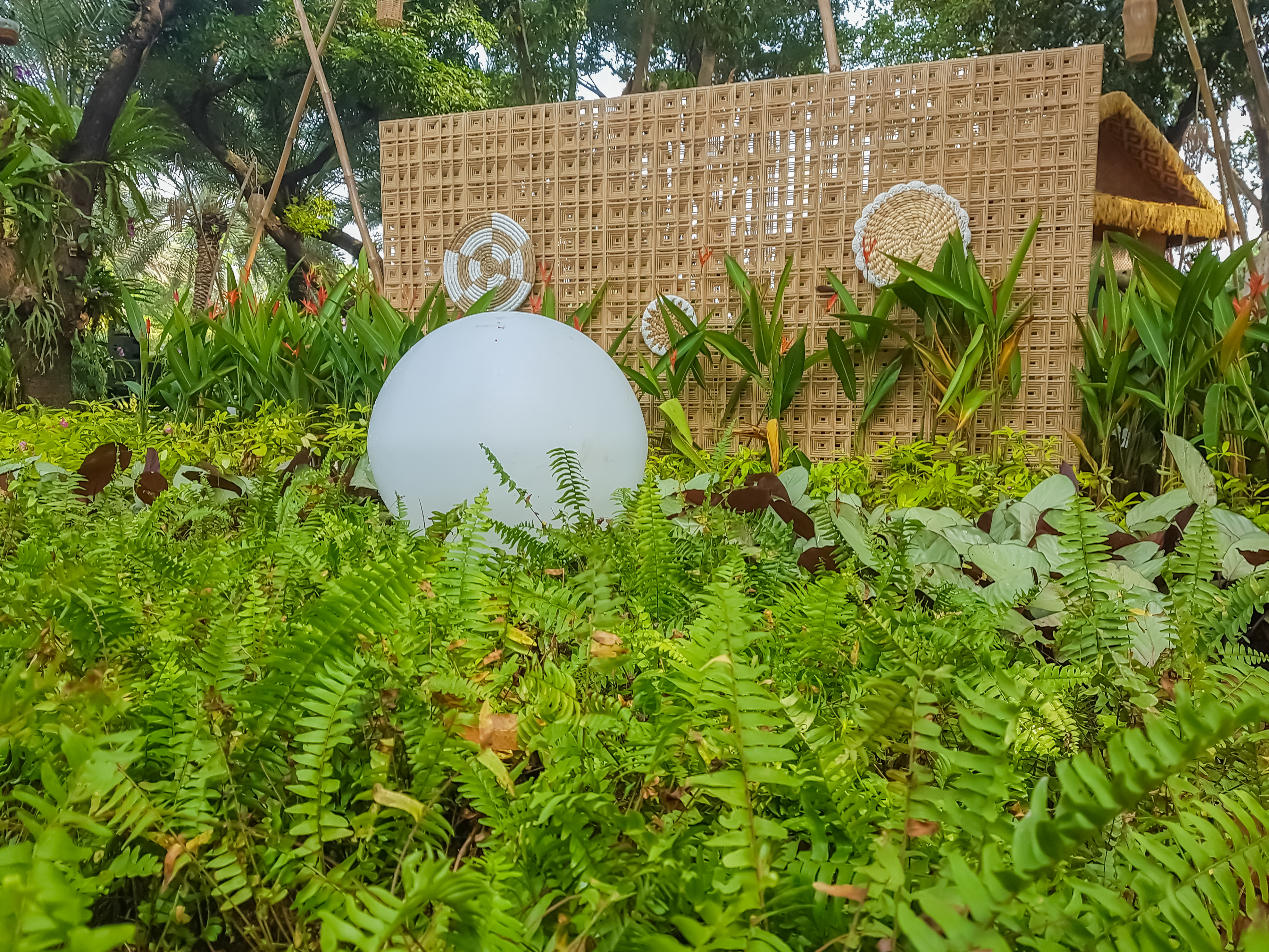
Armed with these eco-friendly practices, you’re well on your way to a healthier garden.
But don’t stop here—there’s always more to learn and share.
Join our community at Sayonara Pests to stay updated on the latest natural pest control methods.
Share your experiences and learn from others who are passionate about maintaining pest-free gardens.
Connect with us to swap tips and stories.
For those who love a hands-on approach, our DIY guides are a treasure trove of information.
From detailed plans to simple hacks, these guides empower you to tackle pest problems head-on, naturally and safely.
Dive into our resources and become a part of the movement towards eco-friendly pest control.
Visit this site for additional insights on eco-friendly practices.
By embracing these techniques, you contribute to a healthier planet while keeping your garden vibrant and pest-free.
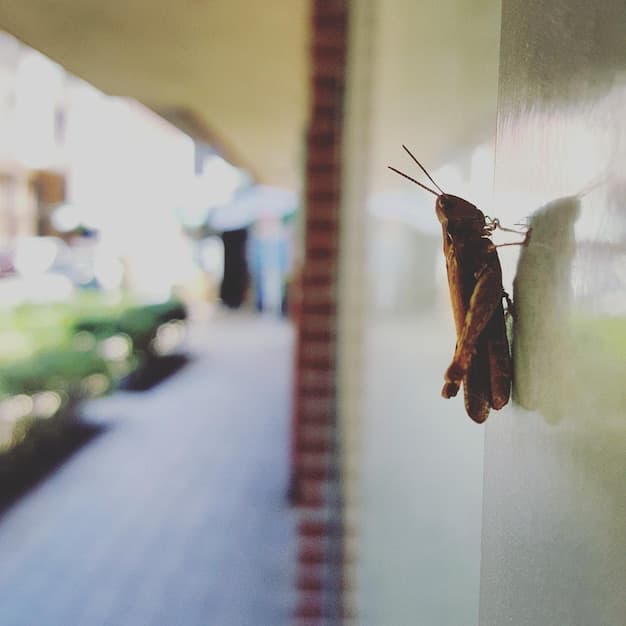
Avoid common natural pest control mistakes like misusing essential oils, ignoring entry points, and overlooking pest habitats. Use pet-safe remedies, ...
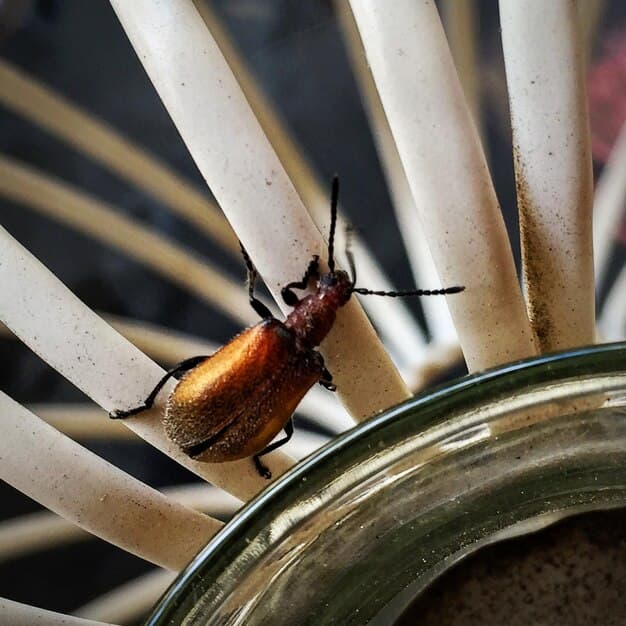
Spring pests surge due to warmer weather seeking food and shelter. Natural, non-toxic methods like vinegar, essential oils, sealing entry points, and ...

Layered natural pest control combines prevention, sealing, trapping, and repellents using safe, non-toxic methods like essential oils, diatomaceous ea...
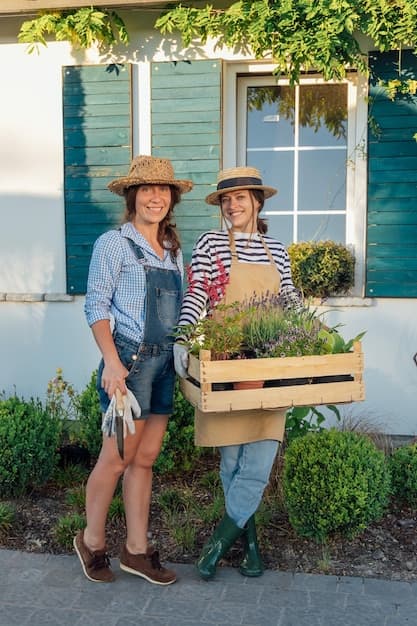
Year-round guide for natural, chemical-free garden pest control: use seasonal strategies, companion planting, beneficial insects, DIY sprays, traps, a...
