
Pests don’t just appear randomly—they follow clear patterns you can learn.
When you understand their feeding times, nesting sites, and travel paths, you gain a powerful edge for natural pest control.
In this guide, you’ll find simple, pet-safe steps that help you stop pests without harsh chemicals.
Ready to take control using eco-friendly methods that actually work?
Learn more about natural control methods here.
Understanding how pests behave is the first step to controlling them naturally.
Let’s delve into their world and see what makes them tick.
The secrets to effective pest control lie in understanding their habits.
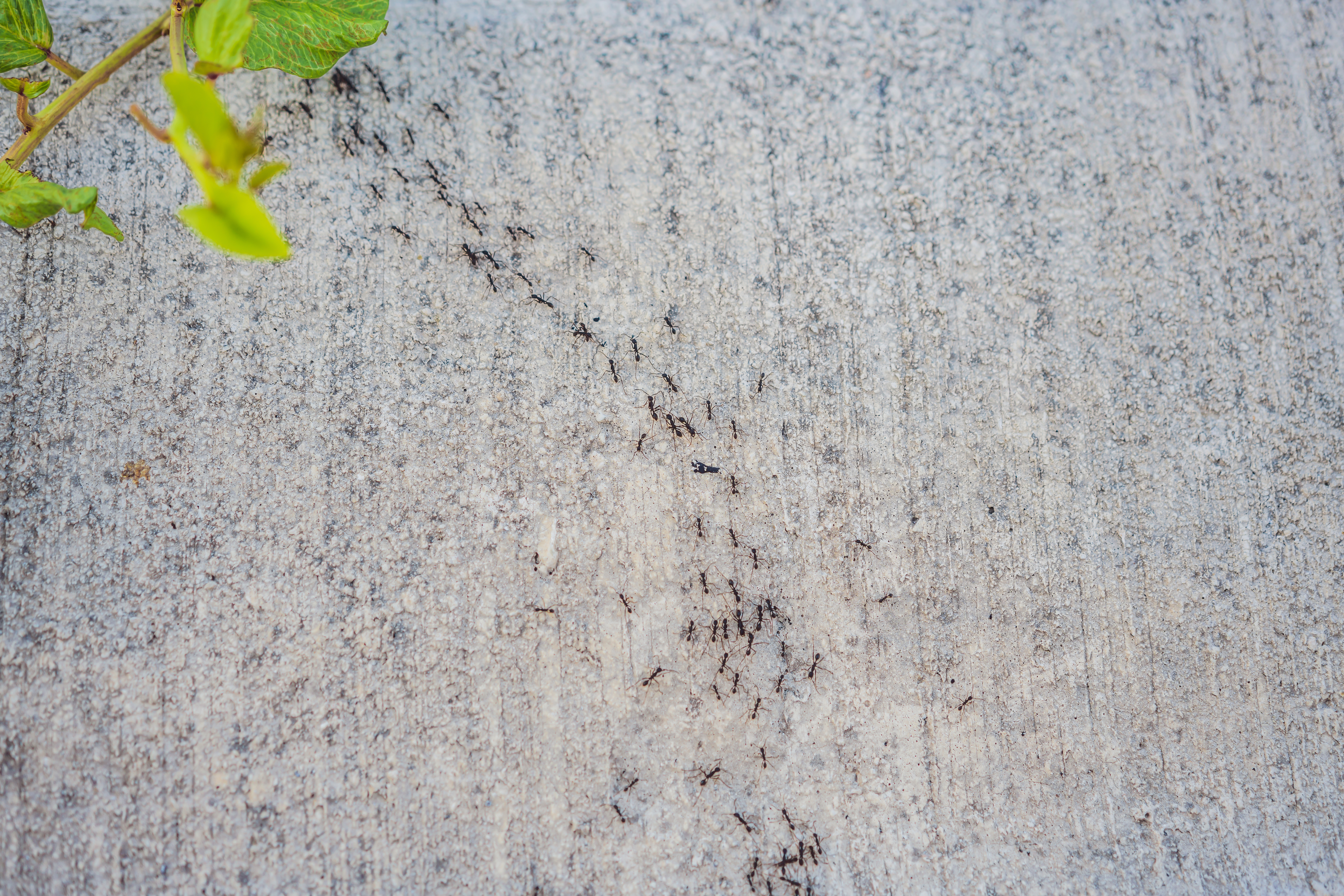
For instance, pests like ants often follow predictable paths.
They form ant trails that lead to food sources.
By knowing these paths, you can disrupt their patterns.
Rodents, on the other hand, are nocturnal and seek dark, quiet spaces to nest.
Identifying these spots gives you a significant advantage in keeping them at bay.
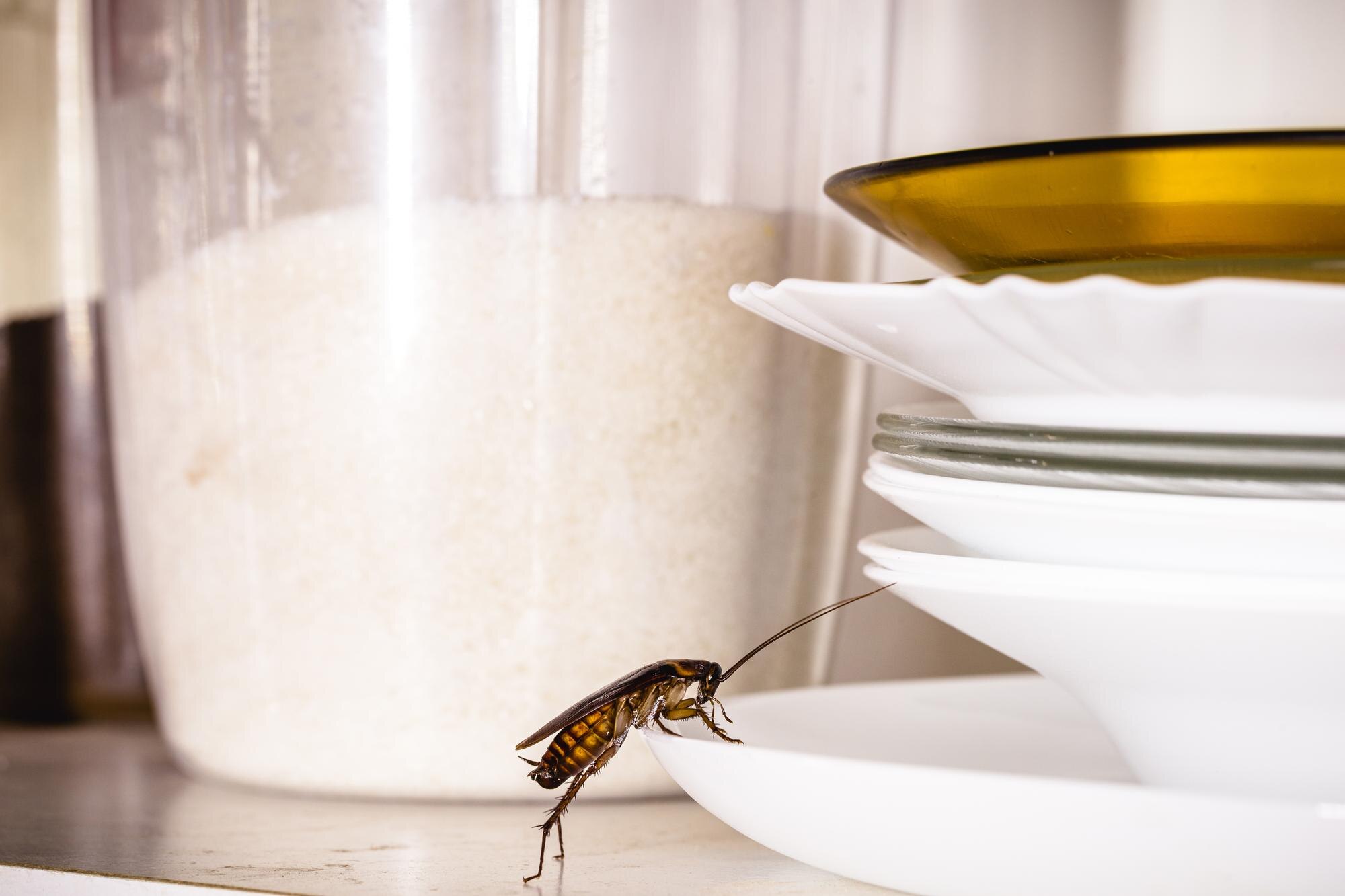
And when it comes to cockroaches, they love warm, humid environments.
So, keeping your home dry might just turn them away.
Understanding these behaviors helps you plan better.
You can focus your efforts on the most vulnerable times and places, making your pest control more effective.
Pests are creatures of habit.
They stick to routines that you can use to your advantage.
For instance, mosquitoes are most active at dusk and dawn.
Knowing this, you can take steps to protect yourself during these peak times.
A simple solution like a fan can disrupt their flight path.
Fruit flies are another common nuisance.
They are drawn to ripe or rotting fruits.
By storing your produce properly, you can prevent an infestation before it starts.
Pest routines might seem daunting, but they can be your secret weapon.
Use their habits to outsmart them, creating a home that pests find less appealing.
Once you understand pest behavior, the next step is using this knowledge to control them naturally.
A prime example is using essential oil repellent.
Peppermint oil is known to deter ants and spiders.
Simply placing cotton balls with a few drops around entry points can work wonders.
Another method is using diatomaceous earth.
This natural powder is safe for humans and pets but deadly to insects.
Sprinkle it around your home’s perimeter to keep pests out.
Vinegar spray is a versatile tool, too.
It works well against ants and fruit flies.
Just mix equal parts water and vinegar and spray the affected areas.
These methods are simple yet powerful, showing you don’t need harsh chemicals to win the battle against pests.
With the right tactics, you can tackle pests without harming the environment.
Let’s explore some kitchen-based solutions and garden strategies that are both effective and safe.
Your kitchen holds a wealth of potential pest deterrents.
For example, soap spray can help manage aphids on houseplants.
Mix a couple of tablespoons of liquid soap in a quart of water and spray it on the leaves.
This solution suffocates the bugs without harming the plant.
Garlic is another fantastic kitchen ally.
It has a strong smell that many pests dislike.
Crush a few cloves and mix with water to create a potent spray.
Use it around baseboards and windowsills to keep bugs at bay.
These kitchen-based solutions are not only easy to make but also cost-effective, turning everyday items into powerful pest control tools.
Gardens can be a haven for pests, but they can also be your battleground.
Planting certain herbs like basil and mint can deter mosquitoes naturally.
These plants emit scents that pests find unappealing.
Neem oil is another garden hero.
It’s a natural pesticide that disrupts the life cycle of insects without harming beneficial ones like bees.
Simply spray it on your plants to keep unwanted visitors away.
Your garden can thrive without pests if you use the right strategies.
Incorporate these natural methods to maintain a healthy, vibrant space.
For pet owners, pest control needs to be safe for furry friends. Peppermint oil for ants is a great option because it’s non-toxic to pets.
Just be cautious with concentrations, as strong scents can irritate pets.
For reptile enthusiasts, sticky traps offer a safe way to catch insects without using chemicals.
Place these traps in areas where insects are commonly seen.
They provide an effective yet gentle solution to pest problems.
Ensuring your pest control measures are pet and reptile friendly means you can protect your home and your beloved animals simultaneously.
Ready to take action?
Here’s how you can implement DIY pest control in your home effectively.
The first step to DIY pest control is identifying where pests enter your home.
Look for cracks in walls, gaps around windows, and spaces under doors.
These are common entry points for pests like rodents and insects.
Once identified, seal these entry points using caulk or weather stripping.
This simple action can drastically reduce the number of pests entering your home.
Essential oils are a natural way to repel pests.
Lavender and eucalyptus can keep bugs at bay.
You can create a spray by mixing a few drops of these oils with water.
Spray it around the house to make an unfriendly environment for pests.
Vinegar spray is also effective.
It’s non-toxic and deters many insects.
Use it in the kitchen and bathroom for best results.
Set traps for pests that are already inside. Sticky traps work well for insects, while humane traps are great for rodents.
Place them where you’ve seen pest activity.
Sealing cracks is crucial.
It prevents future infestations and keeps your home secure.
Use a combination of traps and sealing to maintain a pest-free environment.
By following these steps, you’ll create a home that’s naturally resistant to pests.
This approach is not only effective but also safe for your family and the environment.
Keep learning and adapting your methods for continuous improvement.
Understand pest behavior to spot early signs and block entry points using safe, eco-friendly methods like essential oils, sealing gaps, and natural re...

Use kitchen staples like vinegar, baking soda, cinnamon, coffee grounds, citrus peels, and salt for safe, eco-friendly, and effective DIY pest control...
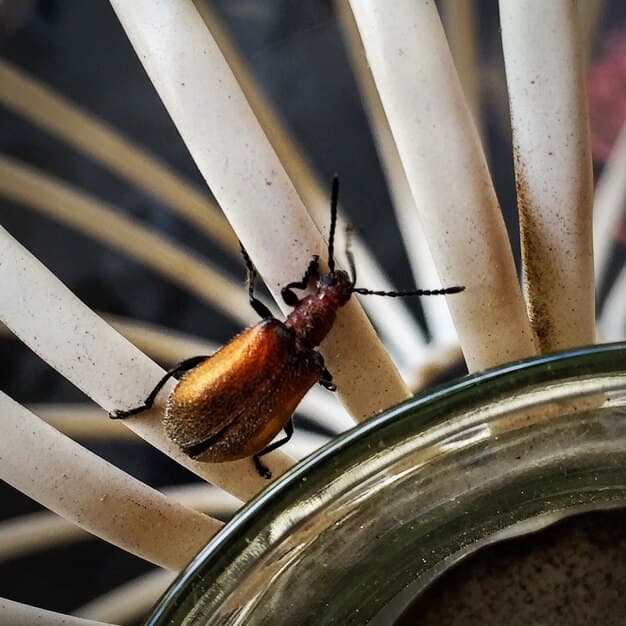
Excess home humidity attracts pests like cockroaches and dust mites. Reduce moisture naturally via ventilation, rock salt, charcoal, and eco-friendly ...
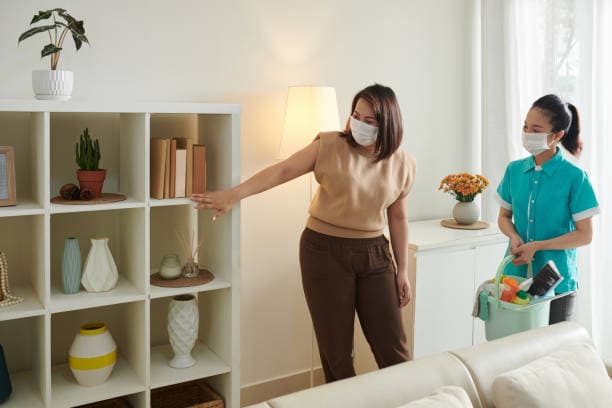
Natural pest control uses safe, eco-friendly methods like diatomaceous earth, neem oil, and essential oils to protect homes without harmful chemicals,...
