
Excess moisture in your home isn’t just uncomfortable—it’s a magnet for pests like cockroaches, silverfish, and dust mites.
When humidity attracts pests, they move in and make your space unhealthy and stressful.
In this guide, you’ll learn 12 natural ways to reduce humidity naturally and keep unwanted visitors out for good.
Ready to take control with safe, eco-friendly pest control?
Let’s get started.
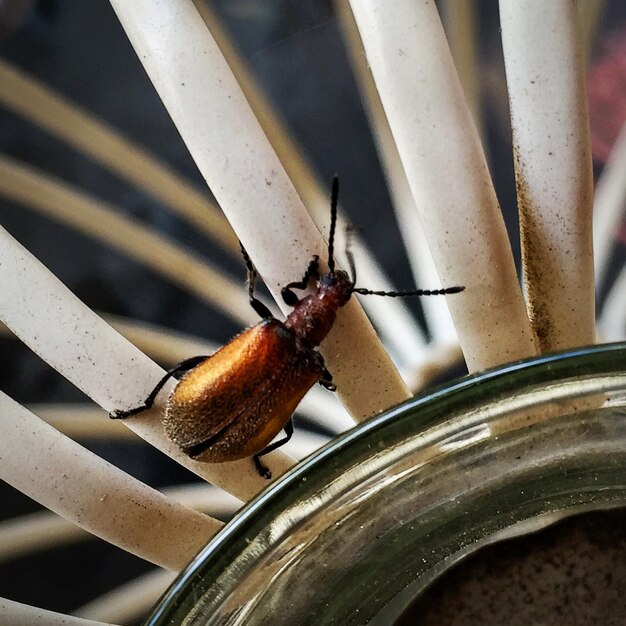
Humidity plays a bigger role in pest activity than you might think.
Let’s explore why pests love moisture and how it impacts your home.
Moisture is like a welcome sign for pests.
Many pests, such as cockroaches and dust mites, thrive in damp conditions because it provides them with the perfect environment to live and breed.
When the air in your home is humid, pests find it easier to survive and multiply.
This means controlling humidity is crucial in keeping them at bay.
When humidity rises, you’ll notice more pests appearing.
Cockroaches hide in damp basements, while dust mites thrive in humid bedrooms.
High moisture levels make it harder to keep these pests out.
This is why addressing the humidity issue is the first step to effective pest control.
Different pests have specific moisture preferences.
Cockroaches, for example, love humidity levels above 50%.
Dust mites are another common pest that thrives in humid conditions, especially when humidity exceeds 70%.
This means that even slightly elevated moisture levels can make your home a pest haven.
Silverfish are particularly drawn to damp areas.
They often show up in bathrooms and kitchens where moisture is abundant.
By understanding the humidity levels that attract these pests, you can take proactive steps to make your home less inviting to them.
High humidity not only attracts pests but also leads to other problems.
For example, persistent dampness can cause mold growth, which further attracts insects.
Mold and pests together can make indoor air unhealthy and uncomfortable, impacting your quality of life.
Managing humidity in your home is essential not just for pest control but also for your health and comfort.
By reducing moisture, you can minimize the risk of infestations and create a healthier living environment.

Having understood the link between humidity and pests, let’s dive into natural methods to control it.
These solutions are not only effective but also environmentally friendly.
Improving airflow is one of the easiest ways to reduce humidity.
Proper ventilation reduces moisture buildup, making your home less appealing to pests.
Opening windows and using fans can help circulate air, especially in damp areas like basements and bathrooms.
Consider installing exhaust fans in kitchens and bathrooms.
These fans help expel moist air, preventing it from accumulating.
By keeping the air dry, you discourage pests from settling in.
Regularly checking and cleaning vents ensure they work efficiently.
Rock salt works wonders in absorbing moisture from the air.
Creating a DIY dehumidifier with rock salt is simple and cost-effective.
Just place some rock salt in a breathable container and let it sit in humid areas.
Rock salt draws moisture out of the air, lowering humidity levels naturally.
You can place bowls of rock salt in corners, under sinks, or in basements.
This method is not only effective but also safe for homes with kids and pets.
Activated charcoal is another great way to tackle humidity.
It absorbs moisture effectively and keeps the air fresh.
Place charcoal briquettes in a container with holes to allow air circulation.
Charcoal is particularly useful in closets and small spaces.
Not only does charcoal reduce humidity, but it also neutralizes odors.
This dual action makes it an excellent choice for maintaining a pest-free and pleasant-smelling home.
Replace the charcoal every few months to keep it working its best.

Beyond reducing humidity, there are more natural ways to keep pests at bay.
Let’s uncover eco-friendly strategies that protect your home without harmful chemicals.
Your kitchen holds many secrets for pest control.
Vinegar, for instance, is a natural ant repellent.
Wipe down surfaces with vinegar to keep ants away.
It’s safe and leaves no harmful residue.
Another kitchen staple, baking soda, is great for tackling cockroaches.
Mix it with sugar and place it in areas where cockroaches frequent.
They’ll be attracted to the sugar and the baking soda will work its magic.
These simple remedies are not only effective but also budget-friendly.
For reptile owners, pest control requires extra caution.
Diatomaceous earth is a safe option.
This natural powder dehydrates pests without harming your scaly friends.
Sprinkle it in corners and around enclosures to keep insects out.
Ensuring your reptile’s habitat is dry and clean also helps.
Moisture attracts pests, so regular cleaning and ventilation are key.
By using reptile-safe options, you protect both your pets and your home.
Prevention is better than cure.
Here’s a handy checklist to keep your home pest-free:
Fix leaks promptly to prevent moisture buildup.
Seal cracks and openings in walls and windows.
Store food in airtight containers to avoid attracting pests.
Regularly clean and declutter to remove pest hiding spots.
By following this checklist, you’re taking proactive steps to minimize pest risks.
Staying vigilant and maintaining a clean environment ensures pests don’t stand a chance.
By incorporating these strategies, your home becomes an uninviting place for pests.
Remember, the key is consistency.
Keep your space dry and clean, and you’ll enjoy a healthier, pest-free home.
Natural pest control uses safe, eco-friendly methods like diatomaceous earth, neem oil, and essential oils to protect homes without harmful chemicals,...

Prepare your home for pest season naturally by cleaning, sealing entry points, and using DIY remedies like baking soda, vinegar, essential oils, and d...

Use cinnamon, white vinegar, citrus peels, coffee grounds, and salt as natural, pet-safe DIY pest barriers at entry points and gardens to repel ants, ...

Use common kitchen spices like cinnamon, cloves, bay leaves, and garlic as natural, eco-friendly pest repellents to safely deter ants, moths, pantry b...
