
You don’t have to spend a fortune or fill your home with harsh chemicals to keep pests away.
Common kitchen staples can act as powerful natural pest control tools right in your pantry.
From vinegar ant repellent to coffee grounds for slugs, you’ll learn how to turn everyday ingredients into effective, safe solutions that protect your home and garden.
Ready to start making your own DIY pest repellents?
Check out this helpful guide to get started with natural pest control solutions. [https://www.huffingtonpost.co.uk/entry/diy-pest-repellents-kitchen_uk_64a28df2e4b0035bc5c7db0d]
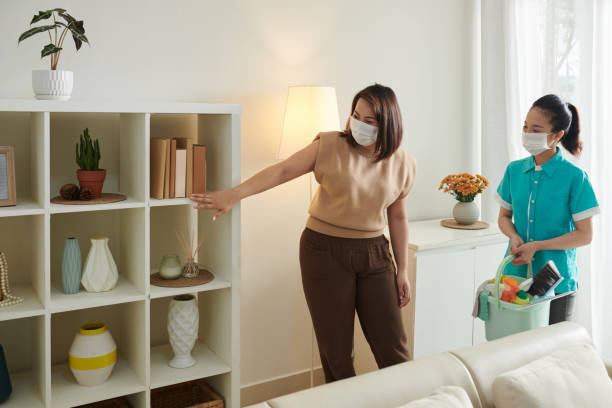
Using what’s already in your kitchen can be a game-changer in tackling pesky invaders.
Let’s explore some simple ways to make your home and garden unwelcome places for pests.
Ants can be a nuisance, but you can stop them in their tracks with something as simple as vinegar.
Vinegar disrupts the scent trails that ants rely on to find food.
To make your own repellent, fill a spray bottle with equal parts vinegar and water.
Spray the mixture around entry points like windowsills and door frames.
The strong smell will deter ants from entering your home.
For best results, reapply every few days or after it rains.
It’s a quick and effective solution that keeps your home ant-free without harsh chemicals.
Did you know citrus peels can repel pests?
The natural oils in citrus are a powerful deterrent.
To make a spray, collect peels from lemons or oranges and soak them in a cup of water overnight.
The next day, pour the solution into a spray bottle and apply it to plants in your garden.
This natural spray will keep pests like aphids and slugs at bay.
Plus, it’s safe for your plants and pets.
Use this refreshing solution regularly to maintain a pest-free garden.
Fruit flies can be persistent, but you can outsmart them with apple cider vinegar.
The sweet smell attracts them, and a little trick helps trap them.
Pour some apple cider vinegar into a bowl and add a few drops of dish soap.
The soap breaks the surface tension, causing flies to sink.
Place the bowl near fruit or wherever you’ve noticed flies.
It’s an effective trap that will significantly reduce their numbers.
Say goodbye to fruit flies with this simple yet powerful kitchen staple.
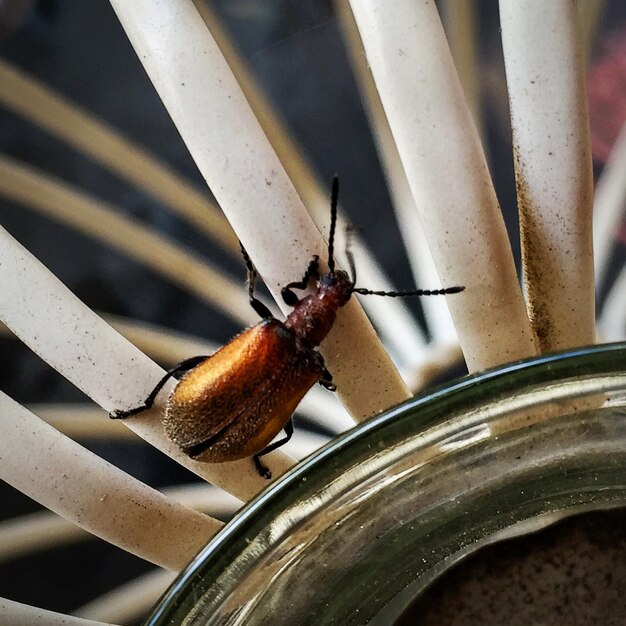
Now that you have a handle on some basic kitchen staples, let’s delve into a few more DIY solutions to keep your home and garden pest-free.
Roaches dislike strong scents, making cloves and cinnamon a perfect duo to repel them.
To create a deterrent, mix equal parts of ground cloves and cinnamon in a bowl.
Sprinkle the mixture in areas where roaches frequent, such as under sinks and along baseboards.
This natural scent barrier will discourage them from settling in your home.
Remember to reapply weekly for continued effectiveness.
Pantry pests can ruin your food, but bay leaves offer a simple solution.
The aromatic compounds keep pests like weevils and moths away.
Place a few bay leaves inside your pantry and food containers.
As a bonus, bay leaves are safe for food storage.
Regularly check your pantry and replace the leaves every few months.
Enjoy a pest-free pantry with this easy and natural approach.
If slugs are a problem in your garden, coffee grounds might be the answer.
The caffeine acts as a natural repellent.
Scatter used coffee grounds around the base of plants.
This barrier will deter slugs without harming your garden.
Plus, coffee grounds enrich the soil over time.
It’s an eco-friendly way to protect your garden and promote healthy growth.

Gone are the days of relying on toxic chemicals.
Discover how you can use everyday items to tackle pests in an eco-friendly way.
Aphids can damage plants, but dish soap offers an effective spray.
Mix a few drops of dish soap with water in a spray bottle.
Spray the solution directly on affected plants.
The soap breaks down the protective coating on aphids, eliminating them.
Reapply every few days to keep your garden healthy.
This gentle method is safe for plants and pets alike.
Keeping your pets safe is a top priority.
Luckily, several natural remedies double as pest control without endangering your furry friends.
For example, diatomaceous earth is a fine powder that dehydrates pests but is harmless to pets.
Sprinkle it around your home to tackle fleas and ticks.
It’s an effective way to ensure your home stays pest-free while keeping your pets safe.
You don’t need to spend a fortune to keep pests away.
Embrace budget-friendly strategies using what you already have.
For instance, white vinegar can clean and repel ants, while citrus peels keep moths at bay.
These affordable solutions work just as well as expensive products.
By using these methods, you’ll save money and maintain a healthy home environment.
Incorporating these natural pest control methods into your routine not only helps maintain a pest-free home but also ensures the safety of your family and pets.
With these simple and cost-effective solutions, you can confidently say goodbye to unwanted guests.
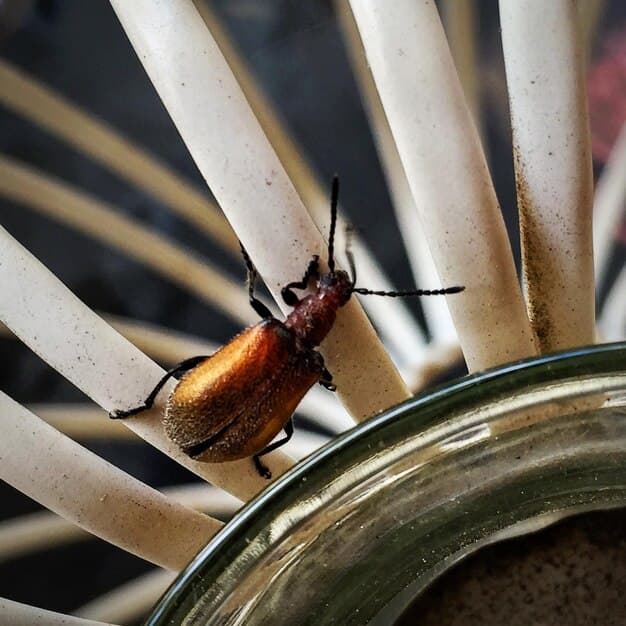
Understand pest behavior to spot early signs and block entry points using safe, eco-friendly methods like essential oils, sealing gaps, and natural re...

Use kitchen staples like vinegar, baking soda, cinnamon, coffee grounds, citrus peels, and salt for safe, eco-friendly, and effective DIY pest control...
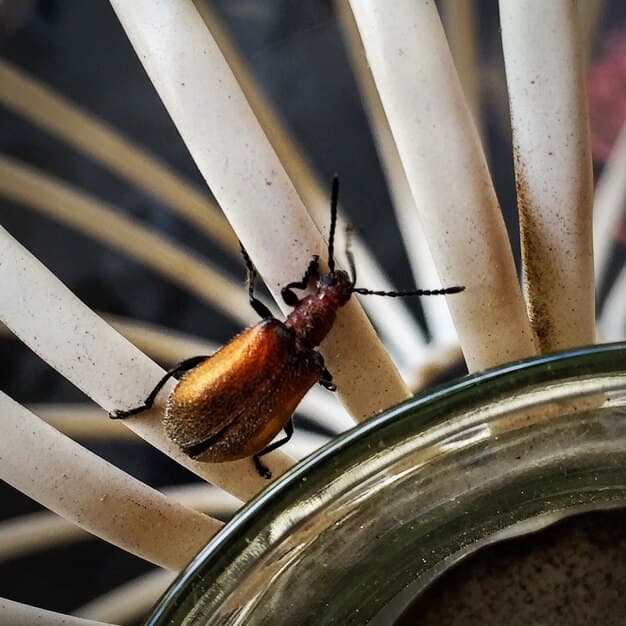
Excess home humidity attracts pests like cockroaches and dust mites. Reduce moisture naturally via ventilation, rock salt, charcoal, and eco-friendly ...
Natural pest control uses safe, eco-friendly methods like diatomaceous earth, neem oil, and essential oils to protect homes without harmful chemicals,...
