
Pests don’t take a break just because the seasons change.
You’ve tried sprays and traps that leave you worried about your pets or kids.
This guide shows you how seasonal pest control can protect your home naturally, using safe, simple ingredients you probably already have.
Keep reading to learn easy, eco-friendly steps for every season that put you back in control—without harsh chemicals. Learn more about seasonal strategies here.

Spring signals the start of new life, but it also brings unwelcome guests into your home.
As temperatures rise, you might notice more activity from common spring pests.
Let’s explore how you can naturally safeguard your home this season.
Springtime often sees a rise in ants, termites, and flies.
Ants march into your kitchen in search of food, while termites might target wood structures.
Both can cause significant damage if left unchecked.
Flies are annoying but can also carry diseases.
Identifying these pests early is key to keeping your home pest-free.
You don’t need harsh chemicals to tackle spring pests.
Start with a simple mix of vinegar and water to deter ants and flies.
Spraying it around windowsills and door frames can help.
For termites, diatomaceous earth is a natural option.
Sprinkle it around potential entry points to create a barrier they won’t cross.
Prevention is the best cure!
Keep your home tidy by sealing food in airtight containers.
This simple step can reduce ant invasions significantly.
Also, check for and seal any cracks in your walls or foundation to block termite access.
Maintaining a clean and dry environment will discourage pests from setting up home.
As spring turns to summer, the heat brings new challenges.
Pests like ants become more active, seeking food and water inside your home.
Let’s dive into effective strategies to deal with these persistent summer invaders.
Ants can be a real nuisance when they find their way indoors.
A simple trick is to use cinnamon as a natural repellent.
Sprinkle it along their trails and entry points.
For a more lasting solution, mix borax and sugar to create bait that ants carry back to their nest, reducing their numbers over time.
Non-toxic methods work well against summer pests.
Try using citrus peels around your home; ants dislike the scent and will avoid these areas.
Another option is coffee grounds, which can deter ants and other pests.
Spread them around the perimeter of your home for an effective barrier.
Pet safety is crucial when dealing with pests.
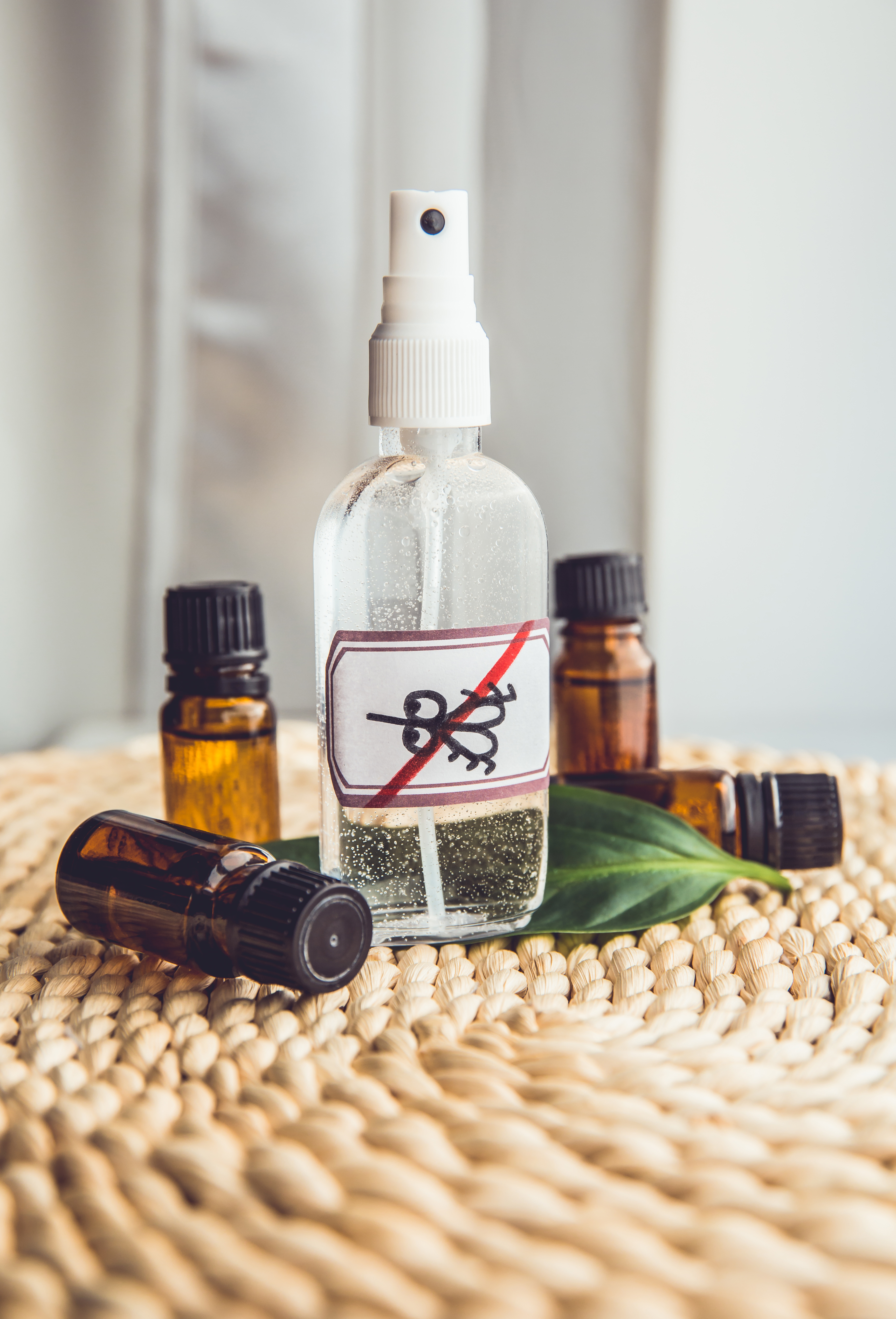
Use essential oils like peppermint or lavender diluted in water to spray around pet areas.
These oils are safe for pets but unpleasant for pests.
Make sure to avoid direct pet exposure and test a small area first.
As temperatures drop, pests seek warmth indoors.
Fall and winter bring unique challenges, but natural solutions can help keep your home cozy and pest-free.
Let’s look at how to tackle these cold-weather invaders.
Rodents often invade homes in colder months. Peppermint oil is a great deterrent; soak cotton balls in the oil and place them in areas where rodents are likely to enter. Steel wool can be used to block holes and gaps, preventing their entry into your home.
Winter pests can be tricky, but early preparation helps.
Regularly inspect your home for cracks and gaps, sealing them with caulk. Maintaining a clean kitchen is also crucial, as food scraps attract pests.
Keep your firewood stored away from the house to deter pests from nesting.
Essential oils offer a natural way to combat winter pests. Eucalyptus oil is effective against spiders and other insects.
Mix it with water and spray around the home.
Not only does this method keep pests at bay, but it also leaves your home smelling fresh.
In conclusion, managing seasonal pests naturally is possible with a few simple steps and common household items.
By taking proactive measures, you can enjoy a pest-free home throughout the year.
While each season presents different challenges, the solutions remain eco-friendly, safe, and effective.
Embrace these natural methods and reclaim your home from unwanted guests.

Affordable natural pest control uses common household items like vinegar, baking soda, essential oils, and diatomaceous earth to safely and cost-effec...
Avoid common natural pest control mistakes like misusing essential oils, ignoring entry points, and overlooking pest habitats. Use pet-safe remedies, ...
Spring pests surge due to warmer weather seeking food and shelter. Natural, non-toxic methods like vinegar, essential oils, sealing entry points, and ...

Layered natural pest control combines prevention, sealing, trapping, and repellents using safe, non-toxic methods like essential oils, diatomaceous ea...
