
Pests invading your home can feel like an endless battle.
When harsh chemicals aren’t an option, you might wonder how to protect your space safely.
Using common kitchen spices for pests offers a natural pest control method that’s simple, affordable, and effective.
In this guide, you’ll learn how herbs like cinnamon, peppermint, and garlic create barriers against ants, spiders, and more—keeping your home pest-free without toxic sprays. [https://www.tastingtable.com/1797873/pantry-staples-ward-off-kitchen-pests/]

Imagine walking into your kitchen and finding an army of ants marching across the counter.
Before you reach for toxic sprays, consider the power of spices.
Simple and effective, these pantry staples can be your first line of defense.
Ants may be tiny, but they can cause big headaches.
Sprinkle cinnamon around entry points and watch them retreat.
Its strong scent disrupts their scent trails, making it hard for them to navigate.
Just a light dusting is needed:
Sprinkle around windowsills and door frames.
Refresh weekly for best results.
Moths can wreak havoc in closets, but cloves can keep them at bay.
The smell of cloves is unpleasant to moths, deterring them from laying eggs in your clothes.
Here’s how to use them:
Place whole cloves in a breathable bag.
Hang in closets or place in drawers.
Replace every month to maintain potency.
Worried about bugs in your pantry? Bay leaves are a natural deterrent.
Their aroma deters pantry pests like weevils and beetles.
You can use fresh or dried leaves:
Place leaves directly in grain containers.
Scatter them on pantry shelves.
Change every few months for continued protection.
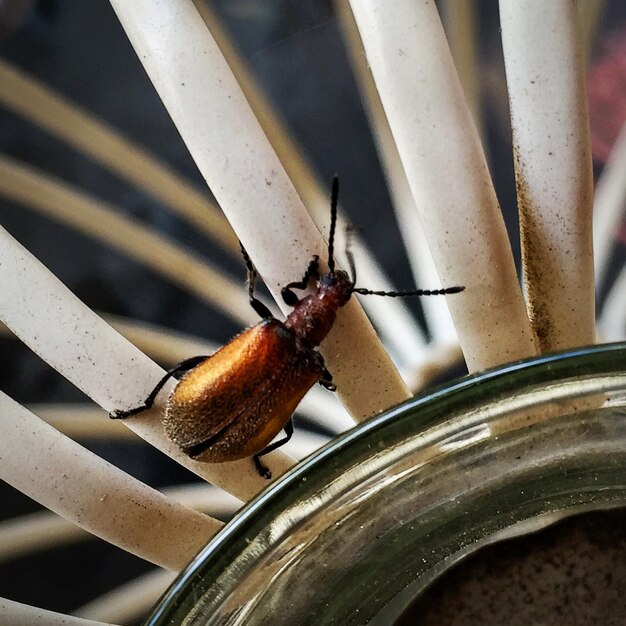
Taking control of pest problems doesn’t have to be complicated.
With a few DIY solutions, you can tackle pests with confidence and keep your home safe.
Create a simple spray using water and essential oils to deter common pests.
This mixture is easy to make and store:
Mix 10 drops of peppermint oil with a cup of water.
Add a teaspoon of dish soap, shake well.
Spray directly on pests or around entryways.
Prevent pantry bugs with spice sachets.
These are easy to make and can be customized to target specific pests:
Combine cinnamon sticks, bay leaves, and cloves in small sachets.
Place in pantry corners or inside cabinets.
Change sachets monthly for ongoing protection.
Mosquito bites can ruin any outdoor gathering.
A simple garlic solution can keep them away.
The smell isn’t just strong to us; mosquitoes dislike it too:
Crush 2-3 cloves of garlic.
Boil them in a cup of water, strain, and cool.
Spray around outdoor seating areas.
Homeowners often worry about pest control’s impact on pets and the environment.
Thankfully, there are eco-friendly solutions that keep everyone safe.
Your pets are part of the family, and their safety is important.
Opt for pet-safe solutions like diatomaceous earth.
This fine powder is harmless to pets but lethal to pests:
Dust lightly in pet areas.
Reapply after vacuuming.
Herbal repellents offer a pleasant alternative to chemical sprays.
Using lavender and citronella oils, you can create an effective barrier:
Mix 15 drops of each oil with a cup of water.
Spray around doors and windows.
Reapply weekly or after rain.
Non-toxic methods are not only safe but also effective.
Using everyday items, you can tackle pests without risking harm to your family or pets.
Discover more natural recipes at The Yard Gard.
烈
By incorporating these natural pest control methods into your routine, you can maintain a pest-free home without resorting to harmful chemicals.
Simple solutions like these empower you to take control and protect your living space.
For more information and tips, join our community on Facebook and share your experiences with others who care about eco-friendly living.

Affordable natural pest control uses common household items like vinegar, baking soda, essential oils, and diatomaceous earth to safely and cost-effec...
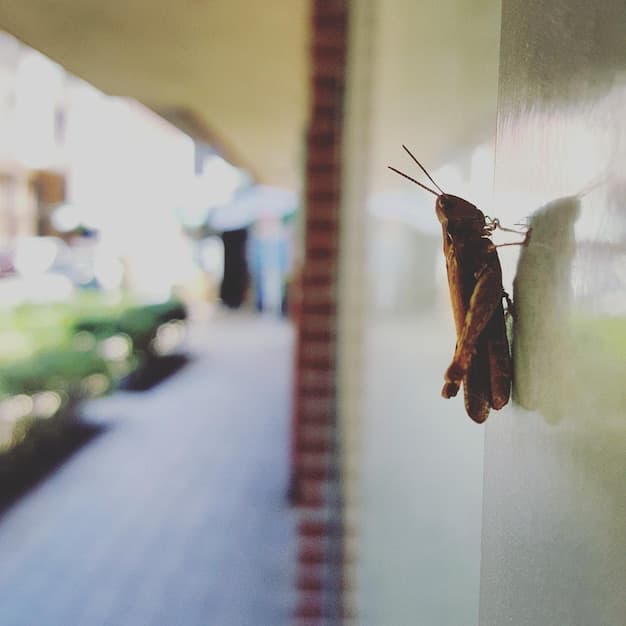
Avoid common natural pest control mistakes like misusing essential oils, ignoring entry points, and overlooking pest habitats. Use pet-safe remedies, ...
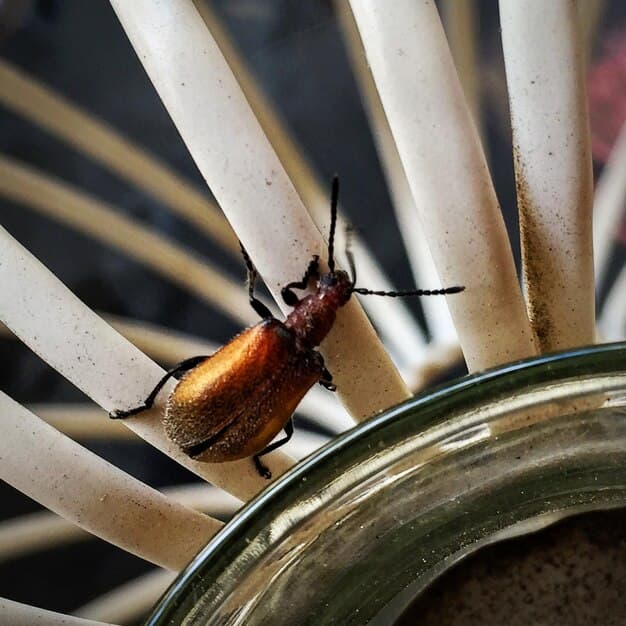
Spring pests surge due to warmer weather seeking food and shelter. Natural, non-toxic methods like vinegar, essential oils, sealing entry points, and ...

Layered natural pest control combines prevention, sealing, trapping, and repellents using safe, non-toxic methods like essential oils, diatomaceous ea...
