
Pest season sneaks up fast, and once pests settle in, they’re tough to shift.
You want to protect your home without harsh chemicals or costly treatments.
This step-by-step guide shows you how to prepare each room using natural pest control methods anyone can try.
Get ready to take simple, safe actions that keep pests out and your family comfortable all season long.
For more tips, visit this resource.

Your home is your haven, but pests can quickly turn it into a battleground.
Before the season kicks in, you need to arm yourself with eco-friendly methods.
Let’s start by ensuring your home is clean and secure.
Every battle begins with preparation.
Start by giving your home a thorough inspection.
Look for areas where pests can hide, like under sinks, behind appliances, and in dark corners.
A clean home is less inviting to pests.
Regular cleaning keeps pests at bay.
Vacuum floors, dust shelves, and wipe down surfaces.
Make sure to empty your trash regularly and store food in airtight containers.
Removing clutter also removes potential hiding spots for pests.
Keeping your home clean not only helps in pest prevention but also creates a healthier environment for your family.
Pests are sneaky.
They can squeeze through the smallest cracks and crevices.
Check your doors and windows for gaps and use weather stripping to seal them.
Caulk any cracks in your walls and floors.
Even small openings around pipes or utility lines can act as entry points, so seal those as well.
The goal is to make your home as impenetrable as possible.
A little effort now can save a lot of hassle later.

Your kitchen and bathroom are prime targets for pests.
These spaces offer warmth, moisture, and food – everything pests love.
Let’s dive into how you can keep these areas pest-free.
You might be surprised to know your kitchen holds a treasure trove of natural pest repellents. Baking soda and sugar can be mixed to combat cockroaches.
Sprinkle the mixture in areas where you’ve seen these pesky intruders.
The sugar lures them in, and the baking soda takes care of the rest.
Lemon peels are also effective.
Place them near entry points or in corners.
The strong citrus scent deters ants and other insects.
Not only do these ingredients work wonders, but they also keep your kitchen smelling fresh.
Vinegar is a versatile cleaning agent, but it also doubles as a powerful ant deterrent.
Mix equal parts of water and vinegar in a spray bottle.
Spray it along ant trails and entry points.
This solution disrupts their scent trails, sending them packing.
For roaches, you can make simple bait using boric acid and sugar.
Mix these ingredients and place them in small containers around your kitchen.
Roaches are attracted to the sugar, while the boric acid effectively eliminates them.
These non-toxic methods are safe for your family and easy to implement.
Pests don’t stop at the kitchen.
Bedrooms and garages are also vulnerable spots.
Let’s explore how to keep these areas secure and pest-free.
Spiders may be beneficial for controlling other pests, but they aren’t welcome in the bedroom.
Essential oils like peppermint and tea tree can help.
Mix a few drops with water and spray it in corners and window sills.
The strong aroma repels spiders while leaving your room smelling pleasant.
Regular use of this natural spray will keep spiders at bay without harmful chemicals.
You’ll sleep easier knowing your room is protected naturally.
If you have pets or reptiles, you’ll want to keep them safe while tackling pests.
Use natural solutions like diatomaceous earth around pet areas.
This fine powder is safe for pets but harmful to insects.
It works by dehydrating them, offering an effective barrier without posing a risk to your furry or scaly friends.
Additionally, keep pet food sealed and stored properly to avoid attracting pests.
By using these simple tips, you can protect your pets and keep your home pest-free.
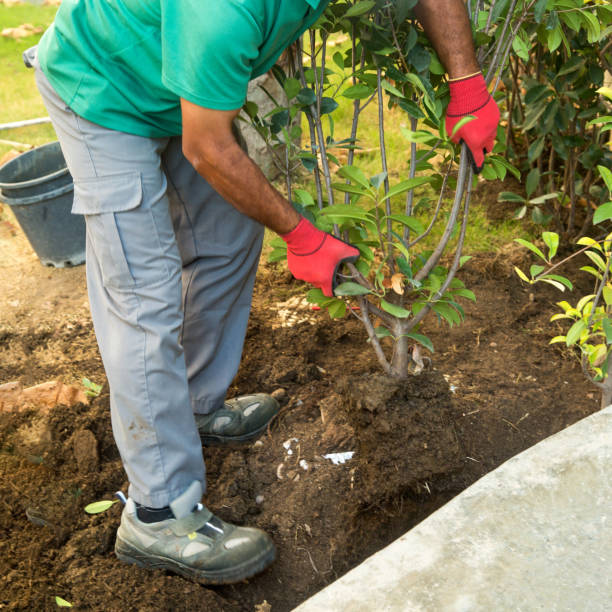
Your outdoor spaces are just as important as the inside of your home.
Taking steps outside can prevent pests from entering in the first place.
Let’s look at some effective outdoor strategies.
Diatomaceous earth is a fantastic natural pest control tool.
Spread it around the perimeter of your garden, focusing on areas where pests are likely to enter.
It works by damaging the exoskeletons of insects, leading to their dehydration.
It’s non-toxic and safe for humans and animals, making it ideal for garden use.
Be sure to apply it when the ground is dry, as moisture reduces its effectiveness.
Regular reapplication will ensure a constant barrier against unwanted visitors.
Mosquitos can ruin outdoor enjoyment quickly.
Planting citronella and lavender can deter them naturally.
Place these plants around seating areas or near windows and doors.
Their scents are pleasant to humans but repellent to mosquitos.
Using a homemade garlic spray can also help.
Crush a few garlic cloves and mix them with water.
Spray this solution around your yard to create an invisible barrier.
These methods allow you to enjoy your garden without the annoyance of buzzing insects.
Each of these steps provides a layer of protection, ensuring a pest-free home.
By staying vigilant and using natural solutions, you can keep your environment safe and comfortable for everyone.

Use cinnamon, white vinegar, citrus peels, coffee grounds, and salt as natural, pet-safe DIY pest barriers at entry points and gardens to repel ants, ...
Use common kitchen spices like cinnamon, cloves, bay leaves, and garlic as natural, eco-friendly pest repellents to safely deter ants, moths, pantry b...

Affordable natural pest control uses common household items like vinegar, baking soda, essential oils, and diatomaceous earth to safely and cost-effec...
Avoid common natural pest control mistakes like misusing essential oils, ignoring entry points, and overlooking pest habitats. Use pet-safe remedies, ...