
Pests don’t wait for an invitation—they slip in through cracks, clutter, and moisture before you even notice.
If you want a home that keeps pests out without harsh chemicals, natural pest control is your best bet.
This simple room-by-room plan will show you how to build a pest-resistant home using safe, budget-friendly methods anyone can follow.
Ready to take control with eco-friendly pest prevention?
Let’s get started.
Check out these tips for natural pest control and prevention.
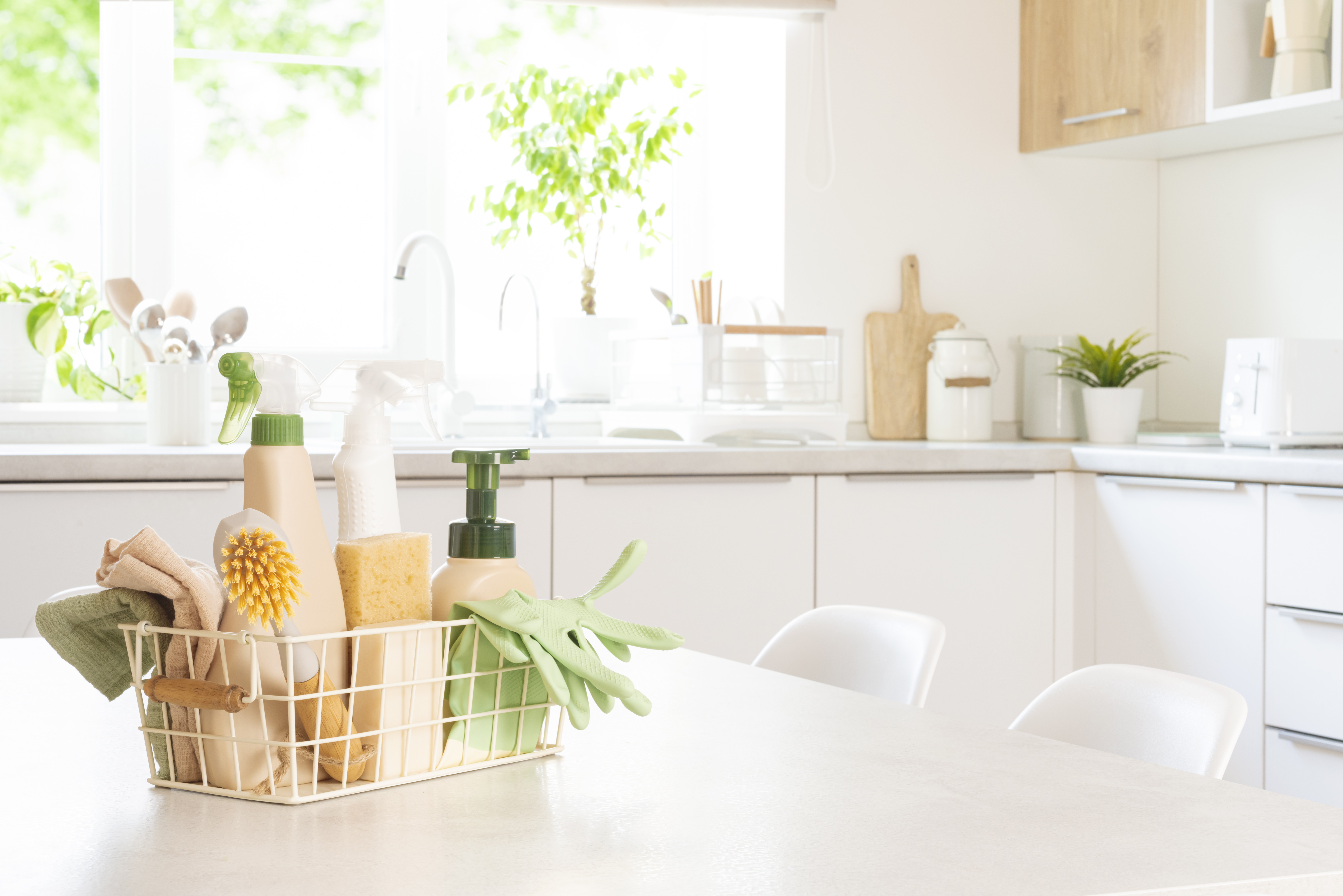
The kitchen can be a haven for pests if you’re not careful.
But with a few natural tricks, you can keep them at bay.
Did you know your pantry holds the secret to keeping pests away?
Common items like vinegar and cayenne pepper can be powerful deterrents. Vinegar, with its strong smell, can repel ants and fruit flies.
Simply wipe your surfaces with a vinegar solution to keep these critters away.
Cayenne pepper, on the other hand, can stop ants from marching in.
Sprinkle it near entry points to create a barrier they won’t cross.
Another kitchen staple, baking soda, paired with sugar, can tackle cockroaches.
The sugar lures them in, while the baking soda takes care of the rest.
These simple ingredients prove you don’t need harsh chemicals to keep your kitchen pest-free.
Proper food storage is key to keeping pests out of your kitchen.
Unsealed food is an invitation for unwanted guests.
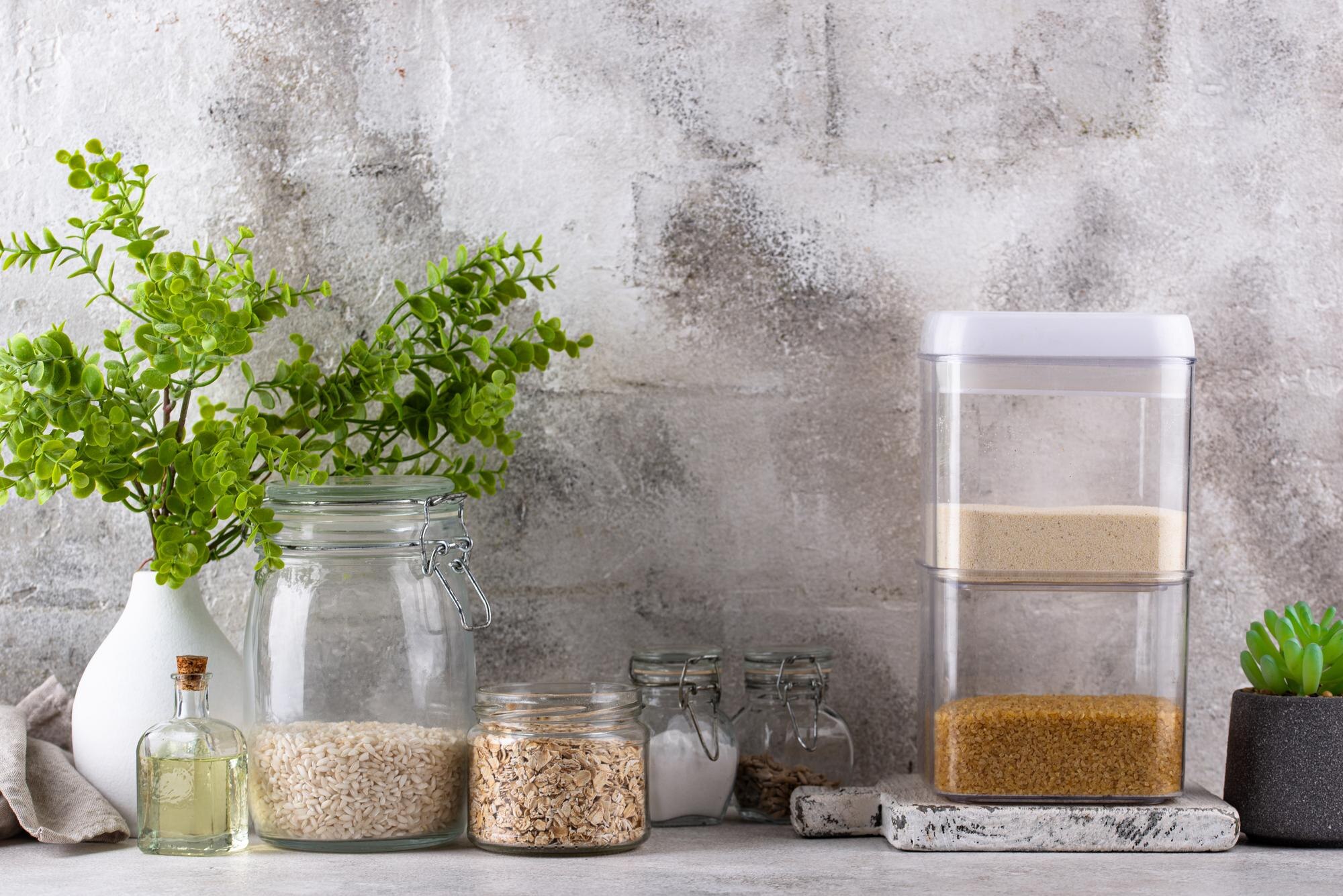
Use airtight containers for grains and cereals to keep them fresh and pest-free.
Glass or heavy-duty plastic containers work well for this purpose.
Refrigeration is another simple step.
Store perishable items like fruits and vegetables in the fridge to prevent fruit flies and other insects from making a home in your produce.
These small changes can significantly reduce your kitchen’s appeal to pests.
Sealing your home is crucial in keeping pests out.
Start by inspecting your kitchen for any gaps or cracks where pests might enter.
Use caulk to seal these openings and prevent them from finding a way inside.
Pay close attention to areas around pipes and baseboards.
Door sweeps can also be a great addition.
They block the gap between the door and the floor, a common entry point for pests.
With these steps, you’ll create a barrier that pests can’t easily penetrate.
Once your kitchen is set, it’s time to focus on living areas.
With simple, natural methods, you can make these spaces less attractive to pests.
Essential oils are more than just pleasant scents; they can deter pests too. Peppermint oil is excellent for keeping spiders and mice away.
Apply it with a cotton ball around baseboards and corners.
Another effective oil is lavender, which repels moths and fleas.
Add a few drops to a diffuser or make a spray by diluting it with water.
Citronella oil is famous for keeping mosquitoes at bay.
Use it in a diffuser to enjoy a pest-free evening.
These oils not only keep pests away but also fill your home with delightful fragrances.
Clutter provides hiding spots for pests.
By reducing clutter, you’ll make your home less inviting to them.
Start by organizing your living areas, removing unnecessary items that create hiding spaces.
Regularly vacuuming and dusting can also keep pests from finding a home.
Consider storage solutions like baskets or bins to keep items off the floor and out of reach of pests.
A tidy home is not only more pleasant but also less attractive to unwanted guests.

Your outdoor spaces need attention too.
Simple strategies can keep your yard and garden pest-free, allowing you to enjoy them without worry.
Gardens can attract pests, but there are natural ways to deter them.
Companion planting is an effective method.
Planting marigolds near vegetables can repel nematodes and other pests. Basil is another great companion plant, keeping flies and mosquitoes away.
Utilizing diatomaceous earth is a safe, natural way to combat slugs and beetles in your garden.
Sprinkle it lightly around plant bases to create a protective barrier.
These tactics keep your garden healthy and pest-free.
Excess moisture attracts pests like mosquitoes and termites.
To control moisture, ensure your yard has proper drainage.
Clean gutters regularly to prevent water buildup.
If you have standing water, consider using mosquito dunks, a natural method to keep larvae at bay.
Inside, fix any leaks promptly and use a dehumidifier in damp areas.
By controlling moisture, you’ll make your home less appealing to pests.
By following this room-by-room plan, you’ll create a pest-resistant home without relying on harsh chemicals.
For more detailed guides and tips, explore Sayonara Pests’ resources.
Start taking natural steps today, and enjoy a safer, pest-free environment.
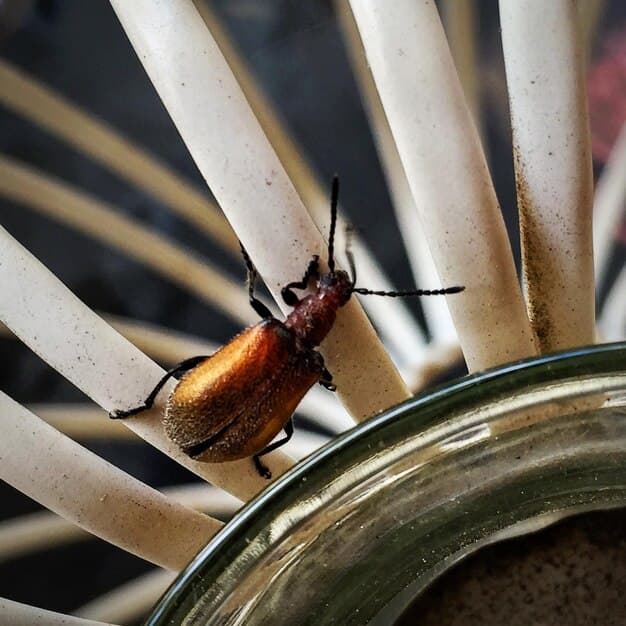
Understand pest behavior to spot early signs and block entry points using safe, eco-friendly methods like essential oils, sealing gaps, and natural re...

Use kitchen staples like vinegar, baking soda, cinnamon, coffee grounds, citrus peels, and salt for safe, eco-friendly, and effective DIY pest control...
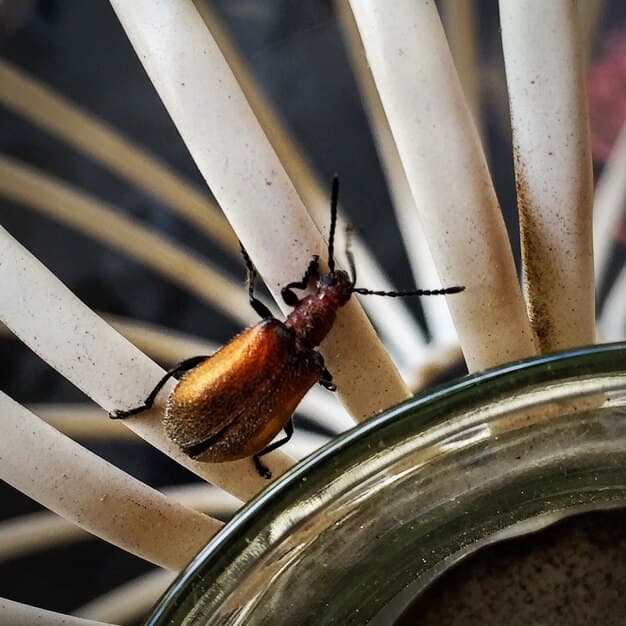
Excess home humidity attracts pests like cockroaches and dust mites. Reduce moisture naturally via ventilation, rock salt, charcoal, and eco-friendly ...
Natural pest control uses safe, eco-friendly methods like diatomaceous earth, neem oil, and essential oils to protect homes without harmful chemicals,...
