
Pests in a rental can feel impossible to control without risking your lease or your pet’s safety.
Most pest fixes mean drilling holes or spraying harsh chemicals—both off-limits in many apartments.
That’s why natural pest control for renters focuses on simple, non-toxic steps you can take right now to keep unwanted guests out without permanent changes.
Let’s explore renter-safe pest solutions that work with your space and lifestyle.
For more eco-friendly pest control tips, check out this resource: [https://onlineentomology.ifas.ufl.edu/eco-friendly-pest-control-3-natural-solutions-that-really-work/].
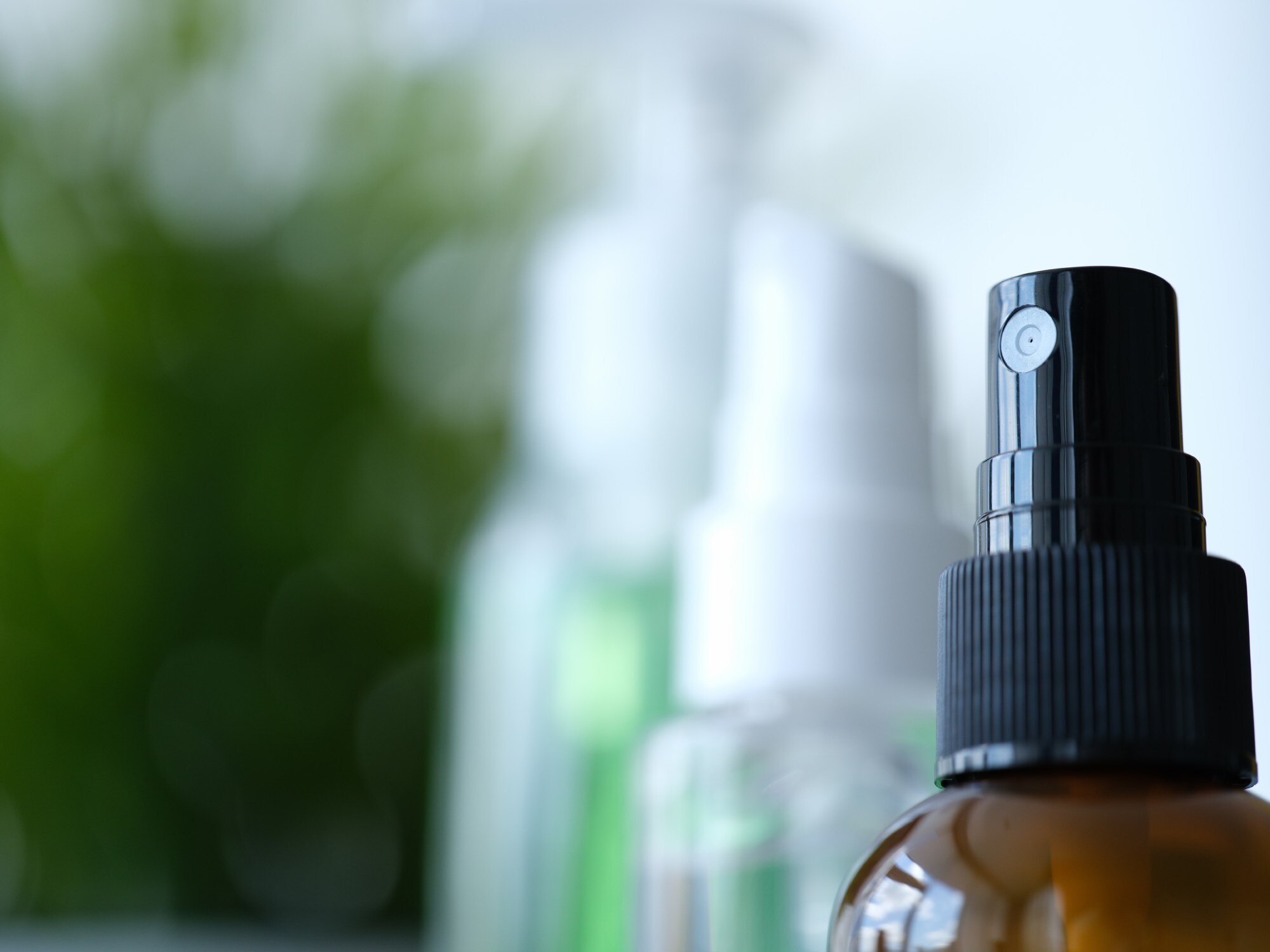
Tired of pests invading your rental space?
You don’t need drastic measures to keep them at bay.
Let’s uncover simple, safe, and budget-friendly methods that fit seamlessly into your lifestyle.
Getting rid of pests doesn’t have to break the bank.
Everyday items from your kitchen can be your best defense.
Vinegar, for instance, is a great DIY ant control solution.
Mix equal parts of vinegar and water, then spray around entry points.
This method is not only cheap but also safe for your pets.
Imagine having peace of mind knowing your space is pest-free without sacrificing safety or spending a fortune.
You might assume eco-friendly solutions are complicated, but they’re actually quite simple.
Natural pest control for renters ensures that your approach is gentle on both your home and the environment.
Peppermint oil is a fantastic spider repellent.
Just a few drops can deter these eight-legged intruders.
Similarly, diatomaceous earth is effective for roaches.
Sprinkle it lightly in affected areas, and watch the results.
These tactics help you maintain a healthy living space without risking your lease.

Temporary fixes can make a huge difference in pest control.
They’re quick and effective, offering a hassle-free way to protect your home.
Keeping pests out starts with good sanitation.
Most people overlook simple actions, but a clean home is less inviting to pests.
Regularly wipe down counter tops and sweep floors to remove food crumbs.
Even tiny efforts like sealing snacks in airtight containers can prevent infestations.
Remember, pests are drawn to food and moisture.
Food storage plays a crucial role in pest management.
Invest in sealed containers to keep your pantry pest-free.
When it comes to trash, make sure bins have tight-fitting lids.
Empty them regularly to avoid attracting pests.
By managing waste and food storage, you create an unappealing environment for pests.

Why rely on professionals when you can handle pests yourself?
These DIY methods are effective and easy to implement.
Natural repellents work wonders without harsh chemicals.
For instance, citrus peels can deter ants.
Place these peels near entry points, and watch ants retreat.
Another remedy involves using baking soda and sugar to lure roaches.
Mix equal parts and place near problem areas.
Just ensure pets can’t reach these spots.
Creating barriers is a proactive way to keep pests out.
Sticky traps are great for monitoring and catching unwanted visitors.
Place them in strategic locations like under sinks or near garbage bins.
Additionally, use removable weatherstripping door sweeps to block entry points.
These traps and barriers are easy to set up and provide a safe, non-toxic way to manage pests.
By following these tips, you can enjoy a pest-free home without compromising on safety or comfort.
Remember, the key to effective pest control is consistency and attention to detail.
Keep experimenting with different methods until you find what works best for your home.

Affordable natural pest control uses common household items like vinegar, baking soda, essential oils, and diatomaceous earth to safely and cost-effec...
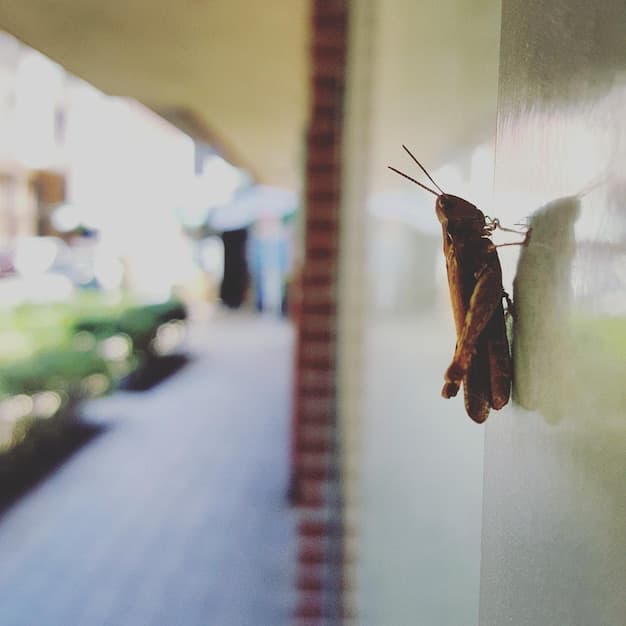
Avoid common natural pest control mistakes like misusing essential oils, ignoring entry points, and overlooking pest habitats. Use pet-safe remedies, ...
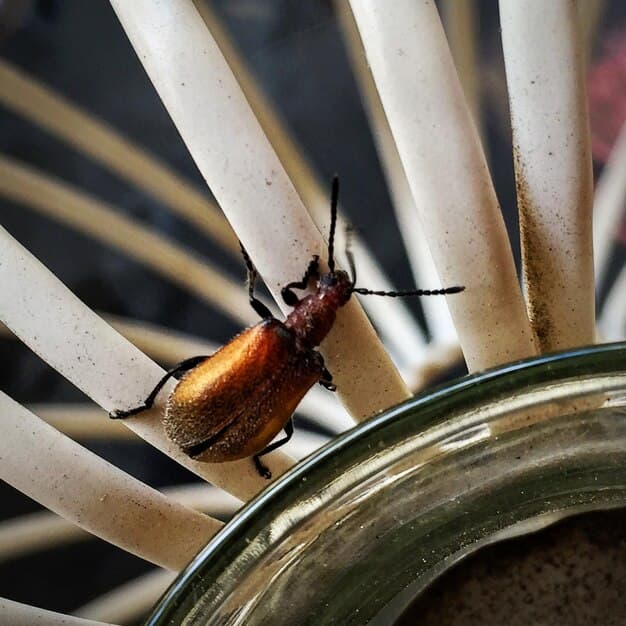
Spring pests surge due to warmer weather seeking food and shelter. Natural, non-toxic methods like vinegar, essential oils, sealing entry points, and ...

Layered natural pest control combines prevention, sealing, trapping, and repellents using safe, non-toxic methods like essential oils, diatomaceous ea...
