
Forget the idea that pest control means harsh chemicals and big expenses.
You can tackle common household pests using simple kitchen and garden staples you already have.
This guide shows you natural pest control methods that are safe for your pets, wallet-friendly, and surprisingly effective.
Stick around to learn how everyday ingredients like vinegar, cinnamon, and neem oil can protect your home and garden naturally.
For more resources, check out this eco-friendly pest management guide.
Pest issues can be tackled with everyday items found in your home.
Let’s start with some simple but effective methods to deal with unwanted guests indoors.
Ants can be a nuisance, but you don’t need fancy sprays to keep them at bay.
A simple solution of vinegar and water can do wonders.
Spray the mixture along ant trails to disrupt their scent paths.
The strong smell of vinegar confuses ants and deters them from returning.
For an extra boost, sprinkle cinnamon at entry points.
Ants dislike its strong aroma, making it an excellent natural repellent.
Most people think only chemicals work, but these household staples prove otherwise.
You’ll find that a small effort with vinegar and cinnamon can lead to big results.
Plus, these ingredients are safe around pets and kids, offering peace of mind.
Few things are more unsettling than spotting a cockroach.
But before you panic, reach for baking soda.
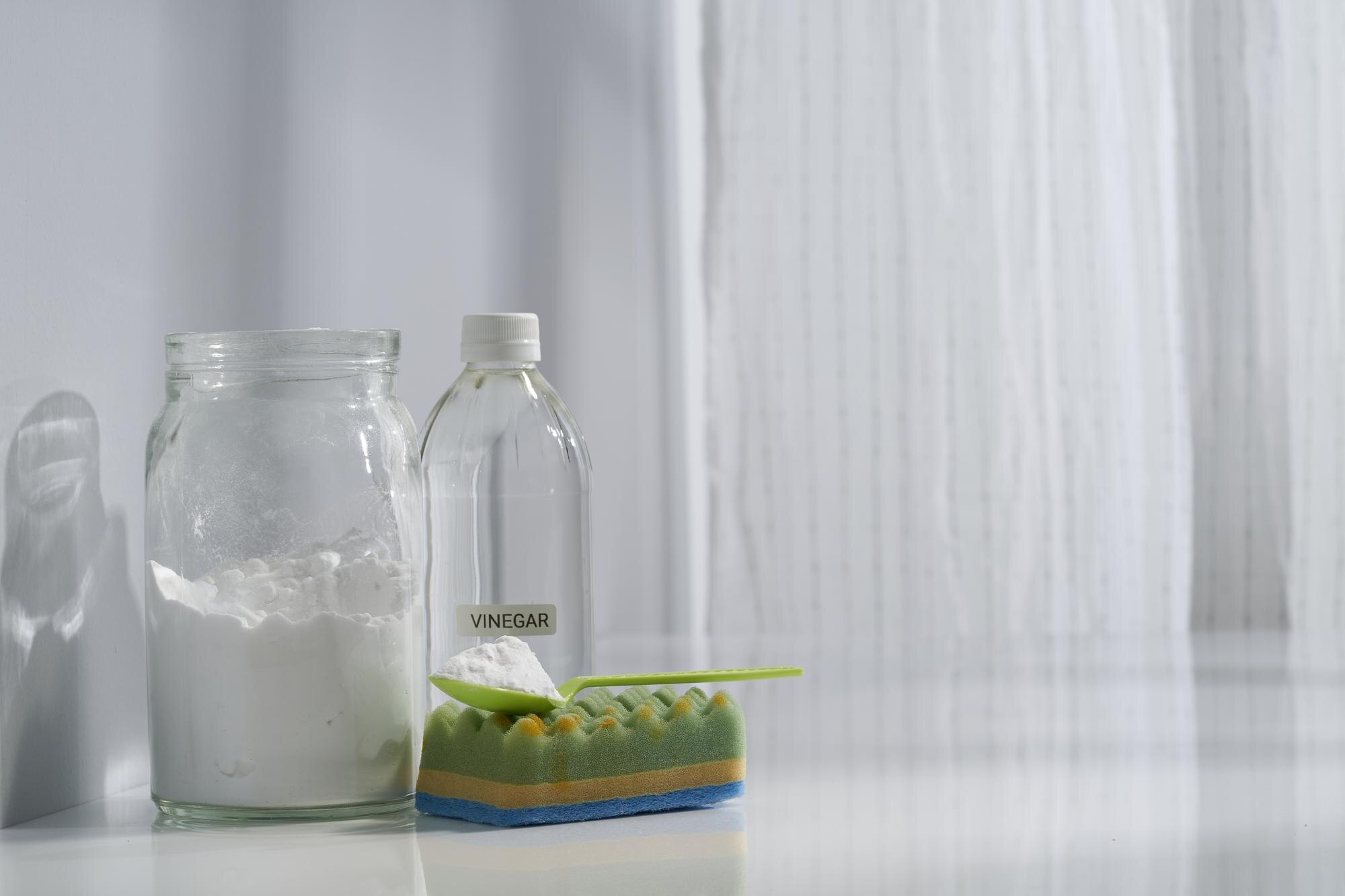
Mix equal parts of baking soda and sugar, and place it in areas where you’ve seen roaches.
The sugar lures them in, while the baking soda reacts with their stomach acids, ultimately eliminating them.
It’s reassuring to know you can address this common issue without harsh chemicals.
This method is not only effective but also easy on your budget.
It’s a win-win for anyone looking to naturally tackle a tough pest problem.
Spiders are beneficial for controlling other pests, but that doesn’t mean you want them inside.
Use peppermint oil to keep them at bay.
Mix a few drops with water and spray around windows and doors.
The strong scent deters spiders, encouraging them to find a new home outdoors.
This natural method is appreciated by many who prefer not to squish these eight-legged creatures.
Instead, let peppermint oil do the work.
It’s a gentle but effective way to manage your spider concerns while keeping your home smelling fresh.
Transitioning to outdoor spaces, let’s explore how your garden can stay pest-free without harmful chemicals.
Neem oil is a gardener’s best friend.
It’s a natural pesticide that targets a wide range of garden pests without harming beneficial insects.
Mix neem oil with water and a little dish soap, then spray it on plants.
This mixture disrupts pest life cycles, reducing their numbers over time.
Using neem oil is a powerful yet gentle approach to garden care.
You’re not only protecting your plants but also maintaining an eco-friendly space.
For more tips, check out this natural pest control guide.
Aphids can rapidly damage plants if not controlled.
A simple soap and water spray can save the day.
Mix a few drops of dish soap with water and spray directly on aphids.
The soap breaks down the pests’ protective coating, leading to their demise.
This method is an excellent example of how everyday items can serve dual purposes.
It’s effective, safe for the environment, and easy to apply.
With this tactic, your plants will thrive without the aphid menace.
Don’t toss those coffee grounds or citrus peels just yet.
They can be a natural deterrent for pests.
Sprinkle coffee grounds around the base of plants to repel slugs and snails.
The grounds also enrich the soil, offering a dual benefit.
Similarly, use citrus peels to keep ants away.
Place them around garden entry points.
The strong smell repels ants, and as a bonus, the peels decompose, enriching the soil.
These simple solutions highlight how waste can become a valuable resource in your pest control arsenal.
Keeping pests out starts with prevention.
Here are some practical tips to maintain a pest-free environment.
Pests often enter through small cracks and gaps.
Inspect your home and garden for potential entry points.
Seal them with caulk or weather stripping.
This simple step deters pests and improves energy efficiency by reducing drafts.
If you have pets or reptiles, it’s crucial to use methods that are safe for them.
Stick to natural ingredients like those mentioned here.
They’re non-toxic and won’t harm your furry or scaly friends.
Your peace of mind is worth the effort in choosing the right solutions.
Sometimes, despite your best efforts, pest problems persist.
If that’s the case, it may be time to consult an expert.
They can offer tailored advice and solutions for your unique situation.
Remember, it’s okay to seek help when needed.
Your home deserves to be a sanctuary, free from pests and full of comfort.
In summary, tackling pests naturally is not only possible but also effective.
By using everyday kitchen and garden items, you can maintain a safe and pest-free home.
Consider subscribing to our newsletter for more tips, and remember, expert help is just a call away if needed.
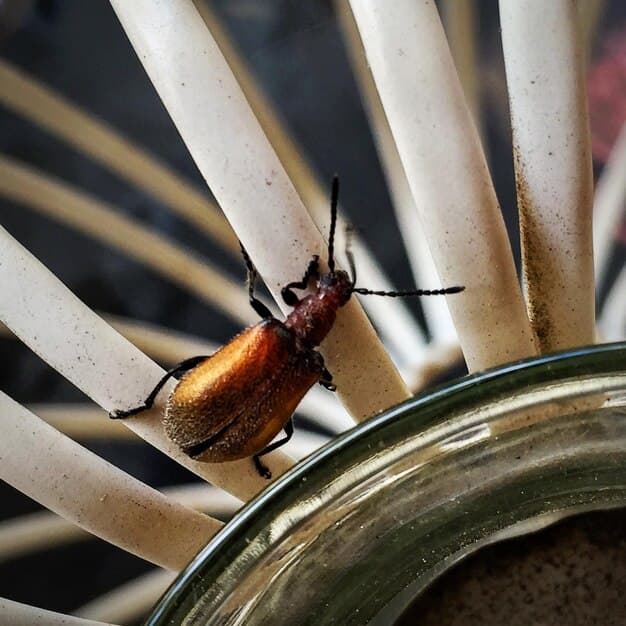
Understand pest behavior to spot early signs and block entry points using safe, eco-friendly methods like essential oils, sealing gaps, and natural re...

Use kitchen staples like vinegar, baking soda, cinnamon, coffee grounds, citrus peels, and salt for safe, eco-friendly, and effective DIY pest control...
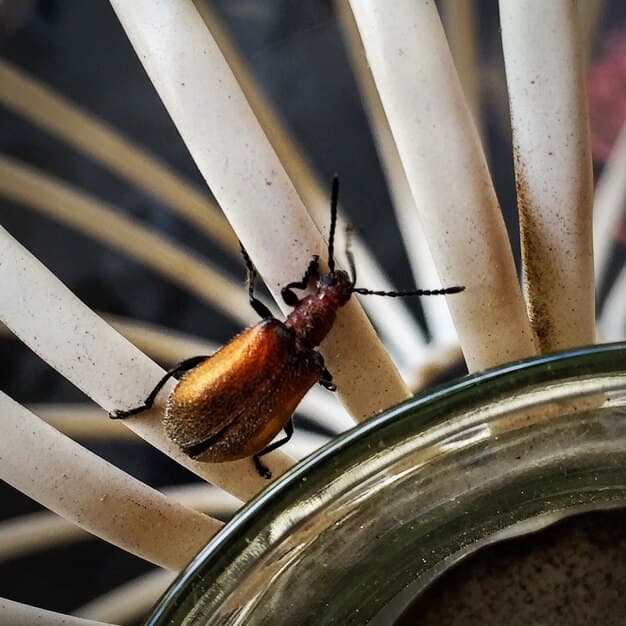
Excess home humidity attracts pests like cockroaches and dust mites. Reduce moisture naturally via ventilation, rock salt, charcoal, and eco-friendly ...
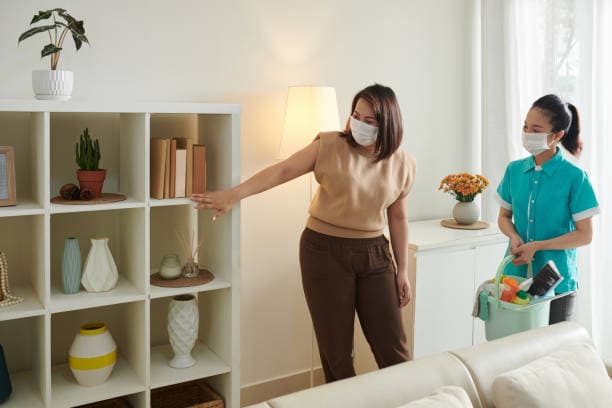
Natural pest control uses safe, eco-friendly methods like diatomaceous earth, neem oil, and essential oils to protect homes without harmful chemicals,...
