
Pests in your garden don’t have to mean reaching for harsh chemicals.
You can turn to garden plants that repel pests naturally, using simple herbs and flowers you likely already have.
Learn how to place these plants, mix companions, and whip up easy DIY sprays that keep your home and pets safe.
Let’s get started with natural pest control that works without the worry. Learn more here.

Imagine stepping into your garden and feeling a sense of relief, knowing it’s naturally protected from pests.
The right placement of plants can achieve this, creating a barrier against unwanted visitors.
First, let’s talk about strategic planting.
By placing certain plants in key areas, you can minimize pests without breaking a sweat.
Take marigolds, for instance.
Placing them around your garden’s edges helps deter aphids.
Did you know marigolds can reduce aphid presence by up to 80%?
Similarly, planting mint near your home’s entrance can keep ants at bay.
But remember, mint is invasive, so consider using pots to contain its spread. Citronella grass is another hero.
Position it near outdoor seating areas to ward off mosquitoes naturally.
For more insights, check out this resource.
Now, let’s dive into companion planting.
This method pairs plants that work together to repel pests.
For instance, planting basil alongside tomatoes not only boosts growth but also keeps flies away.
Similarly, lavender near cabbage deters moths while adding fragrance.
Here’s the key insight: combining rosemary and beans can naturally repel beetles.
This dynamic duo makes an effective defense team.
For more ideas, explore companion planting techniques.
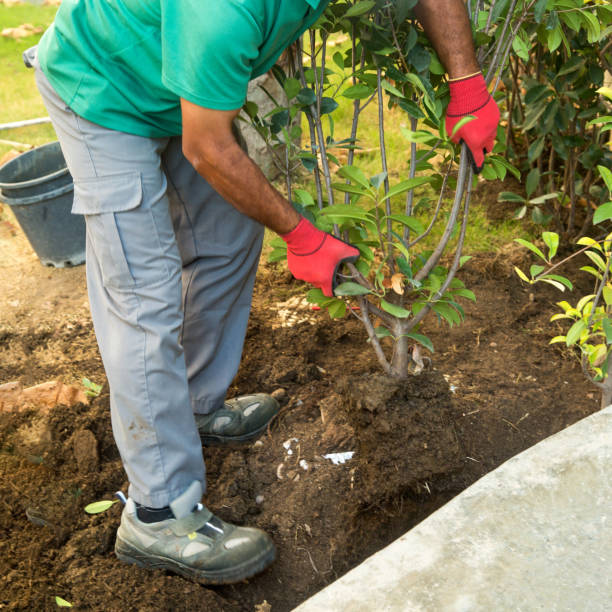
After optimizing your garden layout, it’s time to create simple sprays that pack a punch.
Using ingredients from your garden, you can prepare effective solutions.
Let’s start with some quick recipes.
One popular choice is a mint-infused spray.
Simply boil mint leaves in water, let it cool, and spray it around problem areas to deter ants.
For a more versatile option, try a garlic and pepper spray.
Blend garlic and chili with water, strain, and use it on plants to discourage a wide range of pests.
A study showed that using such sprays can reduce pest activity by up to 70%! Learn more here.
Applying these sprays is just as important as making them.
Always test on a small plant area first to ensure no adverse effects.
When spraying, target the underside of leaves where pests like to hide.
Remember, less is more—over-spraying can harm your plants.
A good habit is to reapply after rain for continued protection.
Check out more tips on safe application.
Finally, let’s focus on maintaining a safe environment for everyone in your home, including pets and reptiles.
Your pets’ safety is a top priority.
Fortunately, many natural solutions are safe for furry friends.
For instance, catnip not only repels mosquitoes but is also safe for cats. Rosemary is another option; it repels fleas while being non-toxic to pets.
Always avoid using essential oils directly on animals, as some can be harmful.
For more on pet-safe approaches, see tips here.
Reptile owners can breathe easy too.
Many natural pest control methods are safe for these unique pets. Lavender and basil are great choices, repelling pests without affecting reptile habitats.
Always ensure that sprays are dry before allowing reptiles near treated areas.
By using these strategies, you create a harmonious garden that’s safe for all.
With these tools, you’re equipped to handle pests naturally and effectively.
Remember, the longer you wait, the more pests can take over.
Start today and enjoy a peaceful, pest-free garden!

Affordable natural pest control uses common household items like vinegar, baking soda, essential oils, and diatomaceous earth to safely and cost-effec...
Avoid common natural pest control mistakes like misusing essential oils, ignoring entry points, and overlooking pest habitats. Use pet-safe remedies, ...
Spring pests surge due to warmer weather seeking food and shelter. Natural, non-toxic methods like vinegar, essential oils, sealing entry points, and ...

Layered natural pest control combines prevention, sealing, trapping, and repellents using safe, non-toxic methods like essential oils, diatomaceous ea...
