
Pests invading your home don’t have to mean harsh chemicals or costly treatments.
Using simple kitchen ingredients, you can create effective, natural pest control solutions that keep your family and pets safe.
In this guide, you’ll learn easy DIY pest repellent recipes—like vinegar ant spray and peppermint oil spider repellent—that work without risking your health or the environment.
Let’s get started on making your home pest-free the natural way. Here is a useful resource for more information.
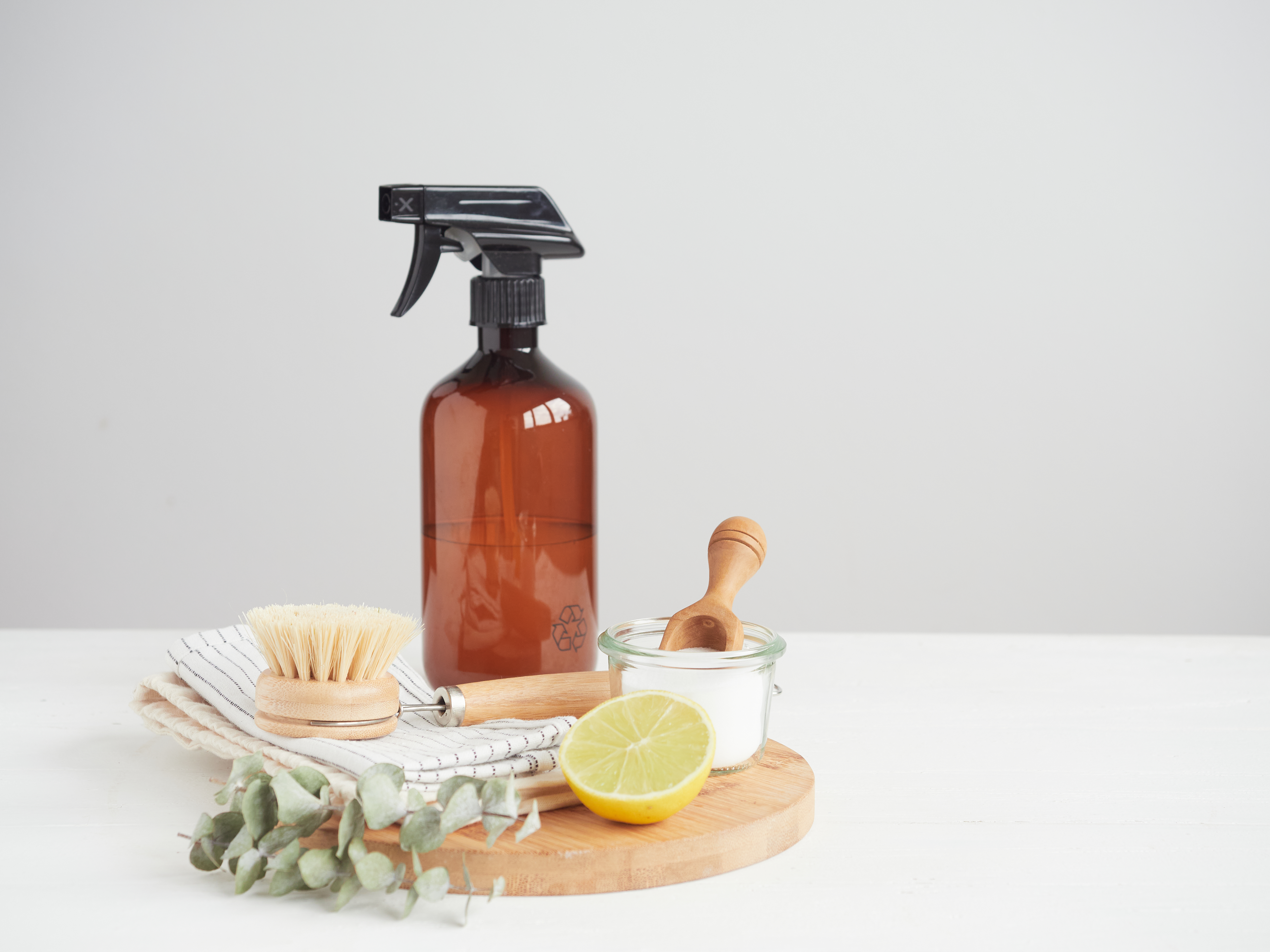
Let’s dive into the world of natural pest control and discover how understanding pest behavior can lead to effective solutions.
By using everyday items, you can keep your home safe without harsh chemicals.
To tackle pests, knowing their habits is a must.
Ants, for example, follow scent trails left by others.
By disrupting these paths, you can deter them from entering your home.
Spiders, on the other hand, set up shop where there’s a steady food supply—other insects.
By reducing their food sources, you naturally reduce their presence.
Most people think using chemicals is the only way to combat pests, but simple knowledge about what attracts them can be more effective.
This understanding allows you to target specific behaviors rather than indiscriminately using harmful substances.
Here’s the key insight: understanding pest behavior is your first step to a pest-free home.
Why choose non-toxic methods?
The primary benefit is safety.
Chemical sprays often jeopardize health, especially for kids and pets.
Moreover, these solutions are eco-friendly, protecting the environment from harmful residues.
Additionally, natural methods are affordable.
You don’t need to break the bank to keep pests at bay.
With items already in your kitchen, you can craft effective repellents.
Imagine saving money while keeping everyone safe—it’s a win-win!
Your kitchen is a treasure trove of pest-fighting agents.
Common items like vinegar, peppermint oil, and citrus fruits pack a punch against unwelcome visitors.
These ingredients are not only safe but also effective when used correctly.
For instance, vinegar disrupts ant trails, while peppermint oil acts as a deterrent for spiders.
With a little creativity, you can mix and match these staples to address various pest problems.
Keep reading to unlock the full potential of your pantry!
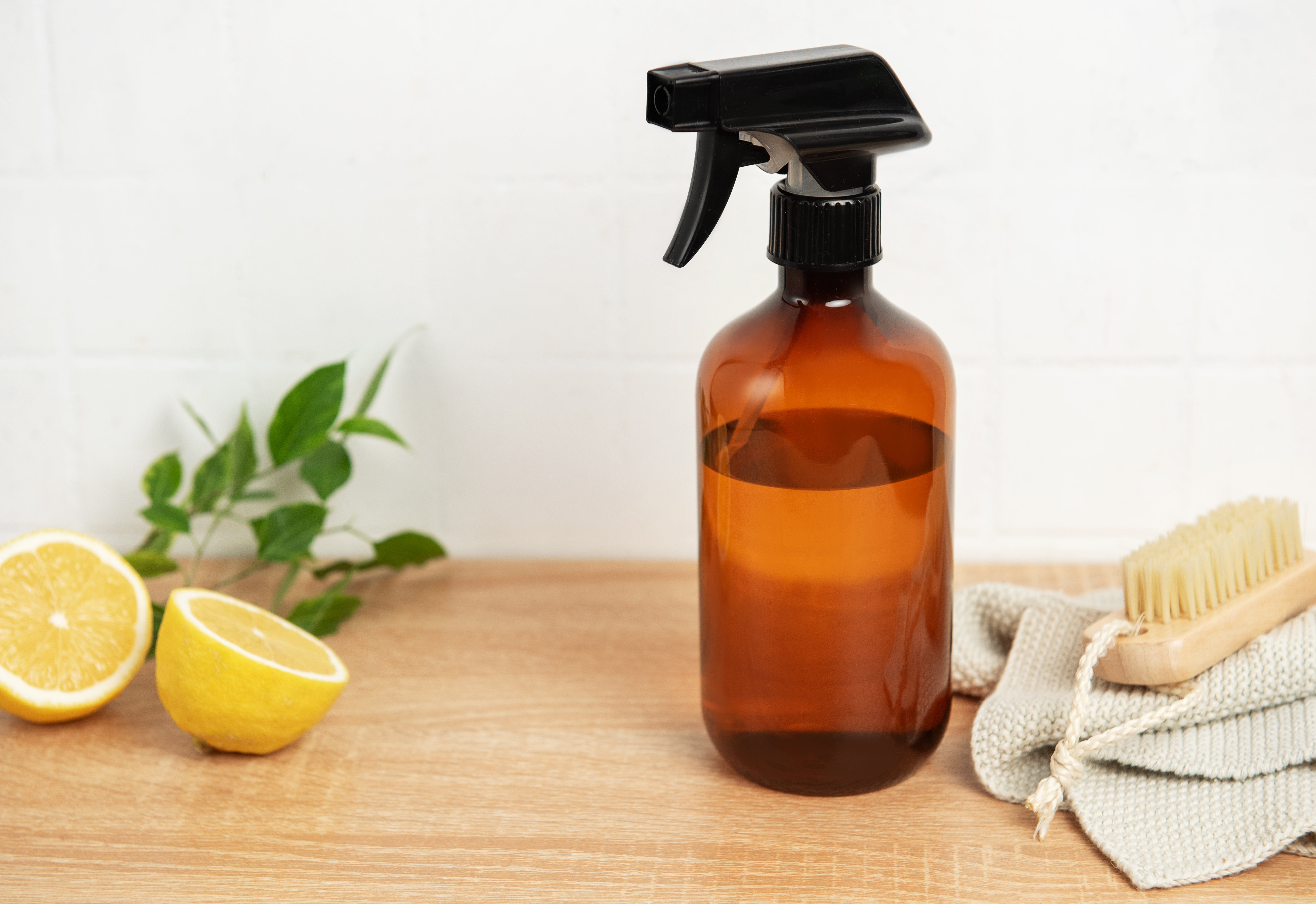
Now that you know the basics, let’s explore some tried-and-true recipes that use kitchen staples to send pests packing.
These solutions offer a practical and safe way to reclaim your home.
Vinegar is a powerful tool against ants.
Mix equal parts vinegar and water in a spray bottle.
Spray directly onto ants and along entry points to erase their scent trails.
This simple solution disrupts their navigation, making your home less inviting.
Coffee grounds are another great repellent.
Spread used grounds around entry points or directly on ant mounds.
The strong smell confuses ants and deters them from entering.
By using these everyday items, you can effectively manage ant invasions.
Spiders dislike peppermint oil’s potent scent.
Mix a few drops with water in a spray bottle and apply to corners, windowsills, and other spider-prone areas.
This natural deterrent keeps spiders at bay without harmful chemicals.
Unlike many assume, you don’t need harsh sprays to keep spiders away.
Peppermint oil offers a safe, effective alternative.
Here’s a mini-payoff: a spider-free home with just a few drops of oil!
Mosquitoes are pesky but can be repelled with citrus.
Rub citrus peels, such as lemon or orange, on exposed skin to ward off these insects.
The natural oils in the peel create a barrier mosquitoes avoid.
For a more potent solution, boil citrus peels in water and strain the mixture into a spray bottle.
Spritz around outdoor areas to create a mosquito-free zone.
Most people overlook this easy trick, but it’s a natural way to enjoy your space.

With your new recipes in hand, let’s discuss how to apply them effectively and safely.
Proper use ensures maximum impact with minimal effort.
Always test a small area before applying any solution widely to ensure no adverse reactions.
When using sprays, avoid contact with eyes and sensitive skin.
Proper ventilation is crucial for indoor applications to avoid inhaling concentrated scents.
Remember, these natural solutions are powerful.
Use them mindfully to protect your home and the environment.
The longer you wait to apply them, the more time pests have to settle in.
Prevention is key to maintaining a pest-free home.
Regularly seal entry points, such as cracks and gaps around windows and doors.
Keep food sealed and dispose of trash promptly to deter pests looking for a meal.
Most people forget about moisture control.
Pests thrive in damp environments, so fix leaks and use dehumidifiers where needed.
Staying proactive can significantly reduce pest problems.
Sometimes, DIY methods aren’t enough.
If infestations persist despite your best efforts, it’s wise to consult a professional.
They can provide tailored advice and solutions for stubborn problems.
Consider expert help as a complement to your natural efforts, not a failure of them.
With combined knowledge, you can achieve long-term success in maintaining a pest-free home.
For a deeper dive into natural pest control methods, check out this guide.
Explore effective, eco-friendly solutions that make a real difference.

Affordable natural pest control uses common household items like vinegar, baking soda, essential oils, and diatomaceous earth to safely and cost-effec...
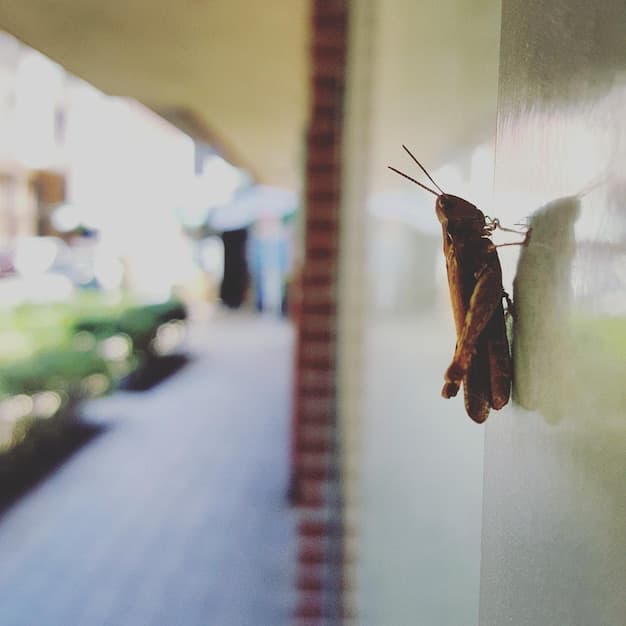
Avoid common natural pest control mistakes like misusing essential oils, ignoring entry points, and overlooking pest habitats. Use pet-safe remedies, ...
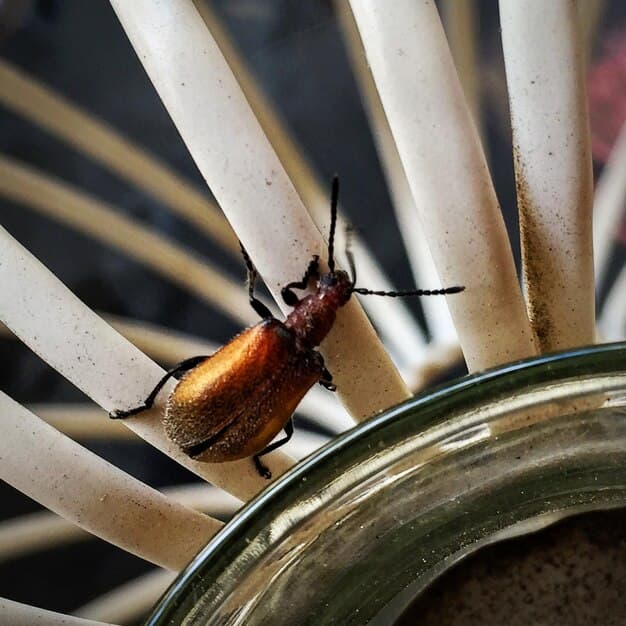
Spring pests surge due to warmer weather seeking food and shelter. Natural, non-toxic methods like vinegar, essential oils, sealing entry points, and ...

Layered natural pest control combines prevention, sealing, trapping, and repellents using safe, non-toxic methods like essential oils, diatomaceous ea...
