
Pests in your home don’t have to threaten your reptiles’ safety.
Managing ants, fruit flies, or mites with harsh chemicals can put your pets at risk.
You can protect your reptiles while keeping pests away using natural pest control for reptiles that’s both effective and safe.
Let’s walk through simple, pet-safe steps to keep your home pest-free without endangering your scaly friends.
For more information, check out this educational article.

Keeping your home safe for reptiles means keeping pests away without using harmful chemicals.
Let’s explore how you can make your home welcoming for your pets and unfriendly to pests.
Start by making sure pests can’t easily enter your home.
Check windows, doors, and any cracks for openings where bugs might sneak in.
Use caulk or weather stripping to seal these gaps.
Next, focus on the kitchen.
Store food in airtight containers and clean up crumbs and spills right away.
This simple step can reduce pest attraction to your home significantly.
It’s like closing the door on unwanted visitors before they even arrive.
Finally, check your home’s exterior.
Trim back trees and bushes that touch your house, as they can become bridges for pests.
Remember, the fewer entry points, the fewer pests you’ll encounter.
Your reptiles’ enclosures need to be pest-proof too.
Ensure they have tight-fitting lids to prevent pests from getting inside.
Regularly clean the enclosures as well as the surrounding area to discourage pests.
You can also use reptile-safe substrates that don’t attract pests.
These substrates are key because they make an inhospitable environment for bugs.
Take time to research and choose the right options for your pet’s habitat.
Additionally, inspect your pets regularly.
Look for signs of mites or other pests on their skin.
Early detection helps prevent bigger infestations and keeps your reptile healthy.
Good husbandry is at the heart of pest prevention.
Create a consistent cleaning schedule for your reptile’s habitat.
This includes changing water frequently and removing uneaten food that can attract pests.
Maintain optimal humidity and temperature levels.
Proper climate control not only benefits your reptile but also deters pests.
For example, mites thrive in high humidity, so keeping it in check is crucial.
Finally, consider regular health checks with a vet specializing in reptiles.
They can provide insights into preventing pests that are specific to your pet.
Staying proactive with these steps ensures a pest-free environment for your scaly friend.

After sealing your home and securing enclosures, the next step is using natural pest control methods.
These solutions target pests without risking your reptile’s health.
Believe it or not, your kitchen holds many natural pest repellents.
For example, cinnamon can deter ants.
Sprinkle it around entry points to keep them at bay.
Another option is peppermint oil, which can repel spiders and ants.
Mix a few drops with water and spray it around problem areas.
Just be sure to avoid spraying it directly on your reptiles or their enclosures, as essential oils can be harmful.
Citrus peels are also effective.
Placing them near windows or doors can deter pests while leaving a fresh scent.
These simple methods provide a safe barrier against pests while being harmless to your reptiles.
Gnats can be particularly pesky in homes with reptiles.
To control gnats safely, use apple cider vinegar traps.
Fill a small bowl with vinegar and cover it with plastic wrap, poking holes in the top.
Gnats are attracted to the scent, enter, and can’t escape.
Another method is to keep the soil in your reptile’s enclosure dry.
Gnats lay eggs in moist environments, so reducing moisture can prevent infestations.
Using a substrate that doesn’t retain excess moisture can also help.
Ensure you also dispose of organic waste promptly.
This includes uneaten fruits or vegetables in and around the enclosure.
A clean environment is the best deterrent for gnats.
Food grade diatomaceous earth (DE) is a powerful tool against pests and safe for reptiles when used correctly.
Sprinkle a light layer around the outside of enclosures to deter insects.
The fine powder damages pest exoskeletons, causing them to dehydrate and die.
Remember to use DE sparingly and avoid direct contact with your reptiles or their food.
It’s best used in areas where pests are likely to enter.
This non-toxic option offers peace of mind and effective pest control.
For more about how to use DE safely, check out this informative blog.
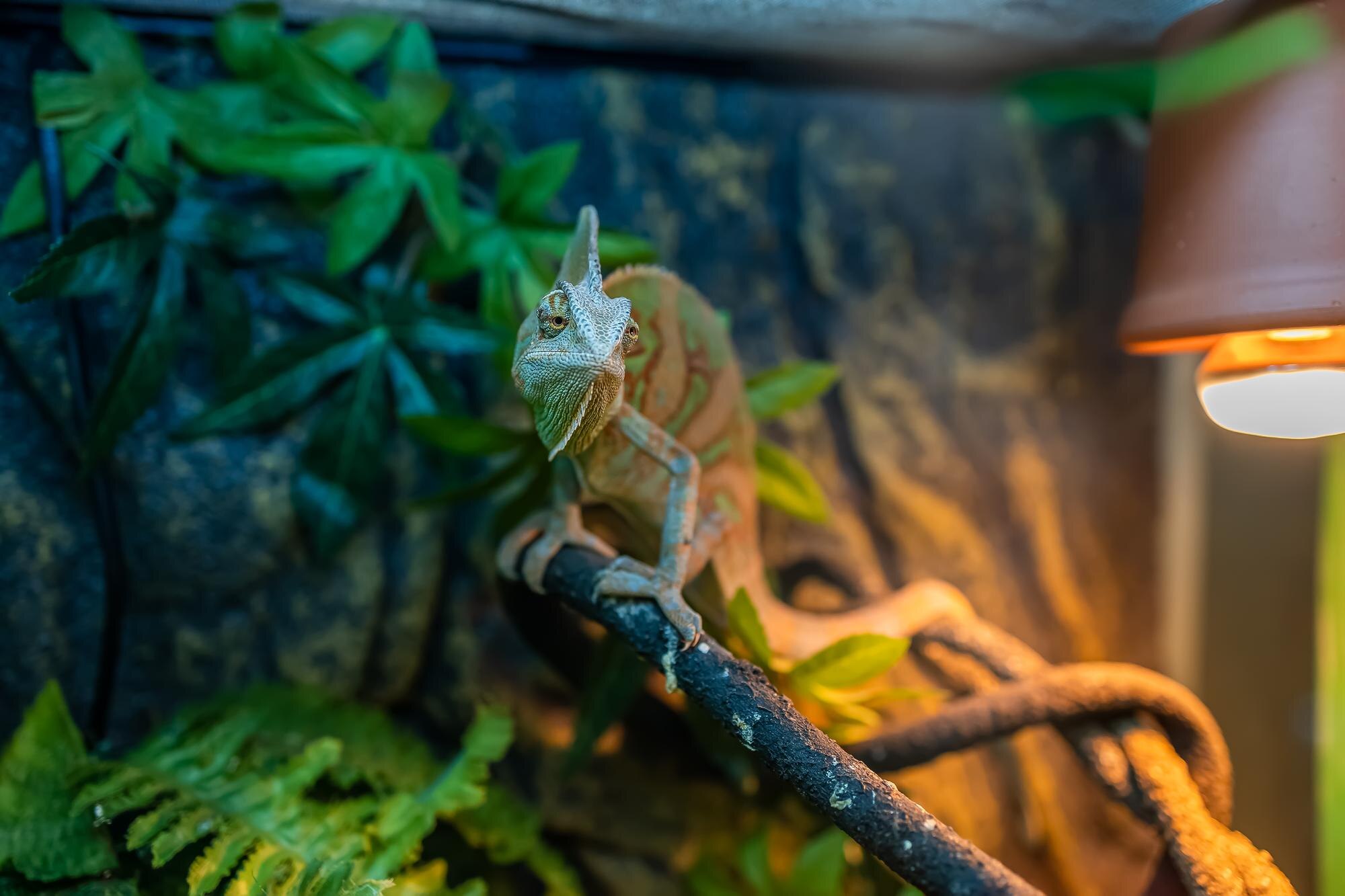
Incorporating eco-friendly pest management practices can further enhance your home’s safety.
These tips ensure a harmonious environment for both you and your reptiles.
Sticky traps can catch unwanted pests, but they must be used carefully.
Place them in areas that are inaccessible to your pets. Under appliances or behind furniture are ideal spots.
Choose traps that are non-toxic and designed for specific pests.
Check them regularly to dispose of captured pests and replace traps as needed.
These traps are a safe and effective way to monitor pest activity in your home.
While some essential oils repel pests, they can be harmful to reptiles.
Avoid using oils like tea tree or eucalyptus near your pets, as they can cause respiratory issues.
Instead, opt for safer alternatives like vinegar cleaning solutions.
This allows you to keep your home fresh and pest-free without endangering your reptiles.
Always prioritize their safety when exploring new pest control methods.
Vinegar is a simple yet powerful cleaning agent that can deter pests.
Use a mixture of half vinegar and half water to wipe down surfaces.
This solution repels ants and cleans surfaces naturally.
This approach is especially useful in kitchens and bathrooms, where pests are often found.
Regular cleaning with vinegar keeps these areas pest-free while being gentle around your reptiles.
In conclusion, tackling pests naturally is not only possible but also effective.
With these strategies, you can ensure a safe and healthy environment for your scaly friends while keeping your home pest-free.
For more detailed guidance, explore our community discussions on Facebook and watch expert tips on YouTube.

Affordable natural pest control uses common household items like vinegar, baking soda, essential oils, and diatomaceous earth to safely and cost-effec...
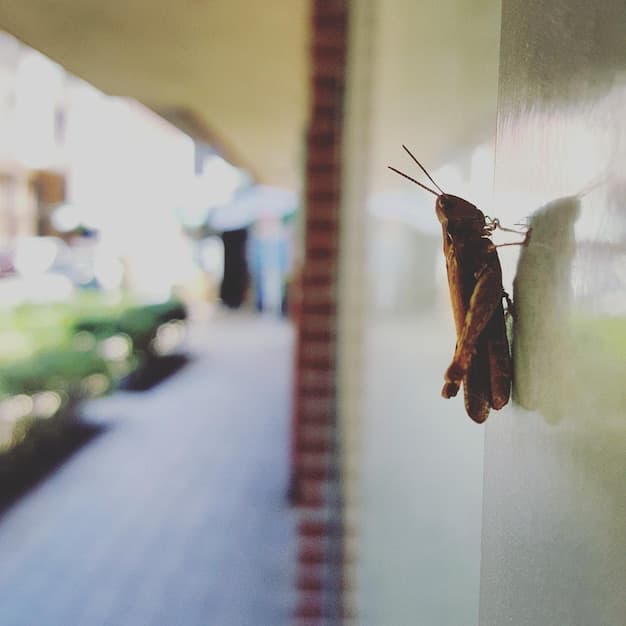
Avoid common natural pest control mistakes like misusing essential oils, ignoring entry points, and overlooking pest habitats. Use pet-safe remedies, ...
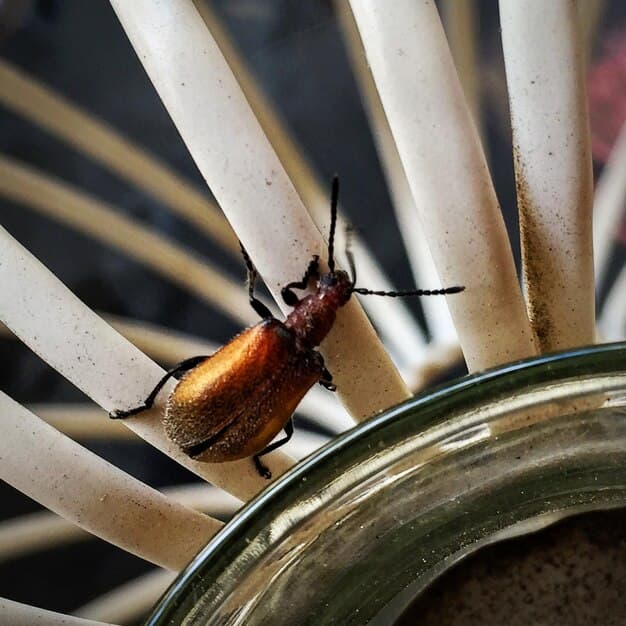
Spring pests surge due to warmer weather seeking food and shelter. Natural, non-toxic methods like vinegar, essential oils, sealing entry points, and ...

Layered natural pest control combines prevention, sealing, trapping, and repellents using safe, non-toxic methods like essential oils, diatomaceous ea...
