
Pests don’t have to take over your home—or your wallet.
You can tackle them with simple kitchen items you already have on hand.
Using natural pest control methods not only keeps your space safe but supports non-toxic pest management that’s gentle on the environment.
Let’s explore how easy it is to create effective DIY pest remedies from everyday pantry staples. Learn more.

Imagine reaching into your pantry and finding everything you need to keep pests at bay.
This section will guide you through using everyday items to tackle unwanted guests effectively.
Surprisingly, you probably already have powerful tools in your kitchen to fight pests. Vinegar, for example, can deter ants with its strong odor.
Just mix equal parts of water and vinegar in a spray bottle and apply it where ants are present.
Another hero is baking soda.
Sprinkle it around areas where you suspect pest activity, and you’ll see results.
It disrupts their digestive systems when consumed by pests like cockroaches and ants.
A few more items you might have on hand are cinnamon and cayenne pepper.
These spices can discourage pests from entering your home.
Simply sprinkle them around windowsills and doorways to create a natural barrier.
It’s amazing what your kitchen staples can do!
To dive deeper into how common items can help, check out this comprehensive guide.
Why go natural?
Using non-toxic methods is safer for your family, pets, and the environment.
Chemicals used in traditional pest control can linger in your home, posing risks.
By opting for natural solutions, you reduce exposure to harmful substances.
This approach also helps maintain ecological balance, protecting beneficial insects and wildlife.
Non-toxic options are generally more affordable.
You don’t need to spend a fortune on pest control services or harsh chemicals.
Instead, you can rely on items you already own.
This cost-saving method gives you peace of mind knowing you’re safeguarding your family’s health.
For more tips on non-toxic pest management, read these helpful insights.

Ready to put your kitchen items to work?
This section will reveal simple, effective ways to harness the power of what you already have at home.
Vinegar and baking soda are not just for cleaning.
They can be your first line of defense against pests.
For ants, spray a vinegar solution wherever you’ve spotted them.
It disrupts their scent trails, making it harder for them to find food.
Baking soda, on the other hand, can tackle cockroaches.
Mix it with sugar to attract them, and let it do its magic.
For fruit flies, use vinegar as a trap.
Fill a bowl with apple cider vinegar and a few drops of dish soap.
The soap breaks the surface tension, causing flies to sink.
Baking soda is also useful for eliminating odors that attract pests.
Sprinkle it in trash cans or other smelly areas.
These simple ingredients are multipurpose and cost-effective, making them ideal for DIY pest control.
Essential oils aren’t just pleasant to smell; they can repel pests too! Peppermint oil is a strong deterrent for spiders and mice.
Mix a few drops with water and spray around entry points. Lavender oil works well against moths and mosquitoes.
Place a few drops on cotton balls and tuck them in closets or drawers.
This not only keeps pests away but also adds a fresh scent to your home.
Tea tree oil is another excellent choice, particularly for ants and mosquitoes.
Mix it with water and spray in areas prone to infestations.
Essential oils are versatile and can be used in various ways to keep your space pest-free.
For more ideas on using oils, check out this article on pantry pest prevention.

Taking a green approach to pest control can be both simple and effective.
Let’s explore how you can implement these strategies in your home.
Start by sealing cracks and gaps in walls and around windows.
This prevents pests from entering in the first place.
Regularly cleaning your kitchen and removing food debris is also crucial.
Pests are attracted to crumbs and spills, so keeping surfaces clean is key.
Don’t forget to take out the trash regularly and store food in airtight containers.
Another effective practice is reducing clutter.
Piles of newspapers and cardboard boxes create hiding spots for pests.
Keep your home organized and tidy to minimize these opportunities.
Integrating these habits will significantly reduce the chance of infestations.
Have you tried any of these methods?
We’d love to hear how they worked for you!
Sharing your story helps others learn and succeed with natural pest control.
Whether it’s using vinegar to deter ants or essential oils to keep mosquitoes away, your experience can inspire others to make eco-friendly choices.
Feel free to share your tips and tricks in the comments below.
Your insights could be the missing piece someone else needs to tackle their pest problems.
Let’s create a community where we help each other achieve a pest-free, environmentally friendly home!
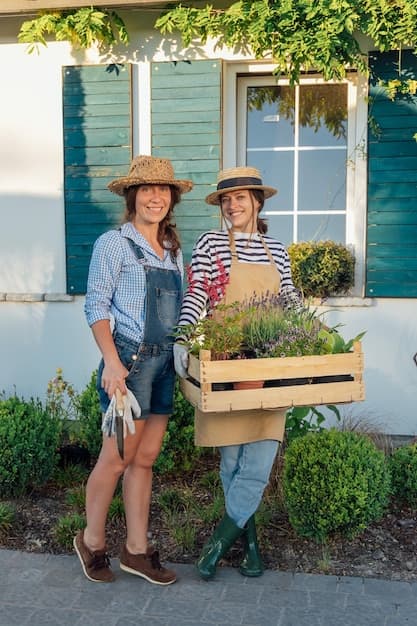
Adopt eco-friendly yard tips: remove standing water, use pest-repellent mulch, plant natives, encourage beneficial insects, practice companion plantin...

Natural, pet-safe pest control methods for renters include diatomaceous earth, essential oils, sticky traps, and DIY sprays. Use removable door sweeps...
Guide for new homeowners to prevent pests naturally: inspect and seal entry points, use kitchen items like peppermint oil, vinegar, and diatomaceous e...
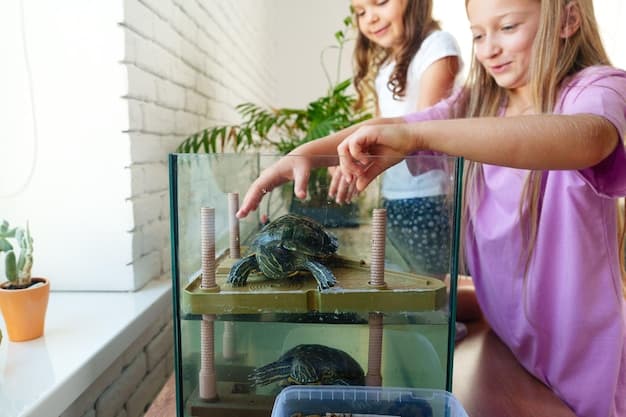
This guide offers natural, reptile-safe pest control tips, including sealing entry points, cleaning enclosures, using essential oils, non-toxic traps,...
