
Spring ants retreat as winter rodents move in—your home faces a new pest challenge every season.
Knowing what to expect and how pests shift throughout the year puts you one step ahead.
This natural seasonal pest control guide breaks down simple, eco-friendly steps you can take now to keep your home pest-free all year.
Join the discussion on our Facebook group for more insights and shared experiences.
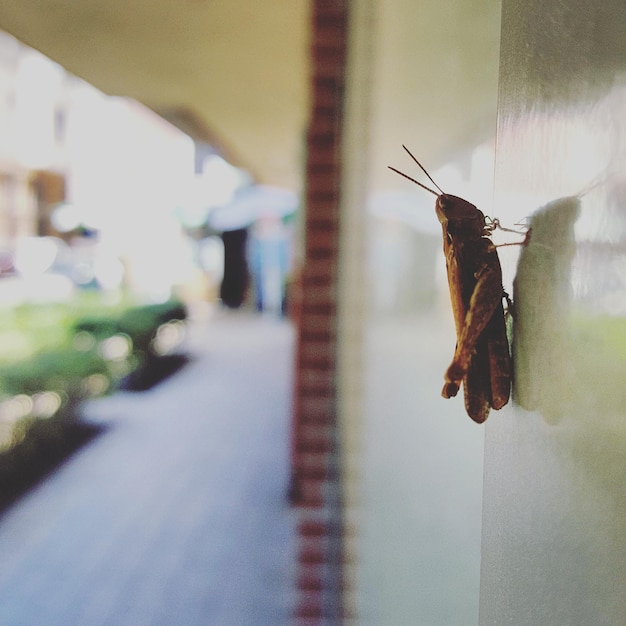
Every season brings new challenges, but being prepared helps you stay ahead.
Let’s explore how pests change throughout the year and what you can do about it.
Spring is a time of renewal, but it’s also when pests emerge from their winter hiding spots. Ants are among the first to appear, searching for food as the weather warms.
You might spot them marching in lines towards your pantry.
It’s not just ants; termites also become active, seeking out wood to munch on.
To tackle these spring intruders, focus on cleanliness.
Keep surfaces free of crumbs and spills.
Seal food in airtight containers.
Meanwhile, regular checks around your home for termite mud tubes can save you from future headaches.
As temperatures rise, ants and mosquitoes become the main nuisances.
Ants are relentless, often invading kitchens in search of sweet treats.
Mosquitoes, on the other hand, thrive in hot, humid conditions, turning your backyard into their dining room.
Combat ants by using homemade repellents like vinegar or lemon juice near entry points.
For mosquitoes, eliminate standing water around your property.
You can also plant herbs like basil and lavender—they naturally deter mosquitoes and add beauty to your garden.
In fall, as temperatures drop, rodents look for warm places to nest.
Your cozy home is a prime target.
Mice and rats can squeeze through tiny gaps, so it’s essential to start prevention early.
Begin by inspecting your home for any small openings—think dime-sized for mice and quarter-sized for rats.
Seal these with steel wool or caulk.
Store food in sturdy containers, and avoid leaving pet food out.
With these steps, you can keep these unwelcome guests at bay.

Taking on pests doesn’t have to mean harsh chemicals.
With a few kitchen staples and garden tweaks, you can keep your space pest-free naturally.
Your kitchen holds many solutions for pest control. Baking soda is great for ants; mix it with sugar to create a bait that disrupts their digestive systems.
For fruit flies, a simple mix of apple cider vinegar and dish soap in a bowl attracts and traps them.
These remedies use items you likely already have, making them both effective and convenient.
Keeping pests out of your garden starts with the right plants. Marigolds and chrysanthemums repel insects naturally.
Plus, they add a splash of color to your landscape.
Crop rotation is another effective tactic.
By changing where you plant certain vegetables each year, you disrupt the pest’s life cycle, keeping your garden healthy and bountiful.
Sealing your home is crucial for preventing pest entry.
Start by examining windows and doors.
Use weather stripping to close gaps.
Don’t forget to inspect your home’s foundation for cracks and seal them with caulk.
Regular maintenance keeps pests from finding their way inside, ensuring your home remains a sanctuary from unwanted intruders.
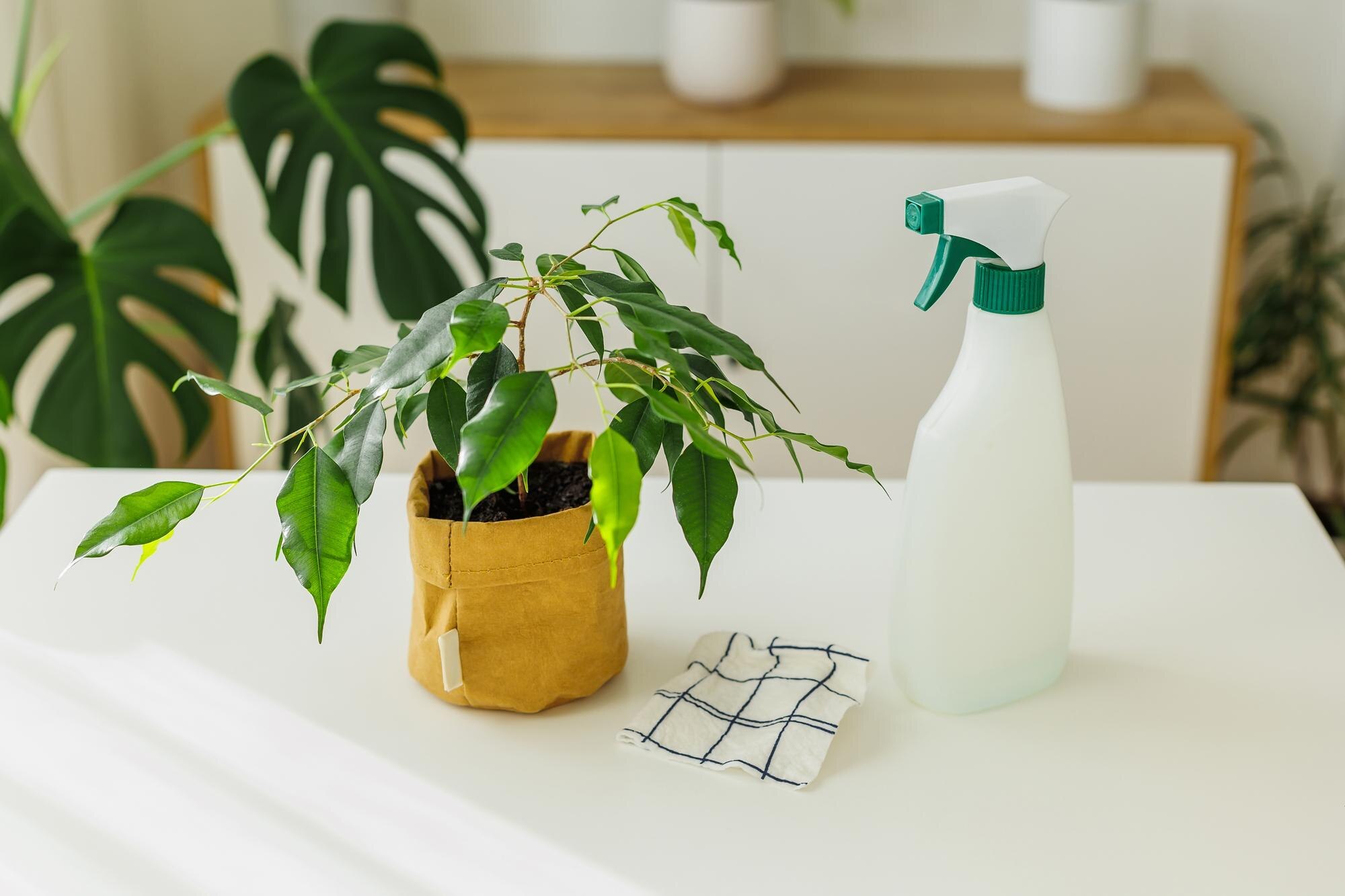
Keeping your home pest-free doesn’t mean compromising safety.
Explore these methods that are gentle on both your family and the environment.
Your pets are family, and their safety is paramount. Diatomaceous earth is a natural powder that dehydrates insects on contact.
Sprinkle it along baseboards and pet areas—it’s safe for dogs and cats but deadly to bugs.
Regular grooming and cleaning also play a role.
By keeping pet areas tidy, you reduce the attraction for fleas and ticks.
Reptiles require special considerations.
Avoid traditional sprays that can harm them.
Instead, focus on using sticky traps to capture insects without chemicals.
Ensure your reptile’s habitat is clean, with food stored securely.
A clean environment is less attractive to pests, keeping your scaly friends safe and sound.
Essential oils like peppermint and eucalyptus are powerful allies against pests.
Mix a few drops with water and spray it around entry points to repel insects.
Diatomaceous earth offers a chemical-free option for pest control.
Use it around the house to deter ants and roaches.
It’s a versatile tool in your natural pest control arsenal.
With these strategies, you’re well-equipped to handle any pest challenge.
By focusing on natural, eco-friendly solutions, you protect your home, family, and the planet.
Stay proactive, and enjoy a pest-free sanctuary year-round.

Affordable natural pest control uses common household items like vinegar, baking soda, essential oils, and diatomaceous earth to safely and cost-effec...
Avoid common natural pest control mistakes like misusing essential oils, ignoring entry points, and overlooking pest habitats. Use pet-safe remedies, ...
Spring pests surge due to warmer weather seeking food and shelter. Natural, non-toxic methods like vinegar, essential oils, sealing entry points, and ...

Layered natural pest control combines prevention, sealing, trapping, and repellents using safe, non-toxic methods like essential oils, diatomaceous ea...
