
Pests don’t have to take over your yard or garden.
You can protect your home without harsh chemicals by using simple, natural landscaping tips that keep bugs away.
This guide shows you how eco-friendly pest control works with easy steps—like choosing pest-resistant plants and clearing standing water—to create a safer, healthier outdoor space.
Ready to cut down pests the natural way?
Let’s get started.
For more detailed techniques and advice, check out this eco-friendly pest management guide.

Welcome to a world where your garden thrives, untouched by pesky invaders.
Embracing natural pest prevention not only protects your space but also nurtures the environment.
Let’s dive into methods that create harmony in your garden.
Imagine your garden lush and vibrant, without a bug in sight.
Our journey begins by exploring methods that use nature’s balance to keep pests at bay.
Start by inviting nature’s guardians—beneficial insects—into your garden.
Ladybugs and lacewings feast on aphids and caterpillars, reducing pest numbers naturally.
By planting nectar-rich flowers like marigolds, you create a welcoming habitat for these helpful allies.
Another simple step is removing standing water to prevent mosquitoes.
A single bucket of stagnant water can breed hundreds of these pests.
Regularly check and empty items like birdbaths or plant saucers to disrupt their life cycle.
Plus, consider adding a small fountain to keep water moving and less appealing to mosquitoes.
For more tips, visit this eco-friendly pest management blog.
Your landscape is more than just a pretty view—it’s your first line of defense against pests.
Strategic planting and maintenance can make your garden less inviting to insects.
Begin by spacing plants appropriately to ensure good airflow; this reduces the humidity that attracts pests.
Overcrowded plants can become breeding grounds for insects and disease.
Next, use barriers like mulch to protect your plants.
Mulch not only conserves soil moisture but also deters pests by creating a physical barrier.
Choose organic mulch to promote a healthy ecosystem in your garden.
Remember, a well-maintained garden is less appealing to pests.
Discover more on this topic here.
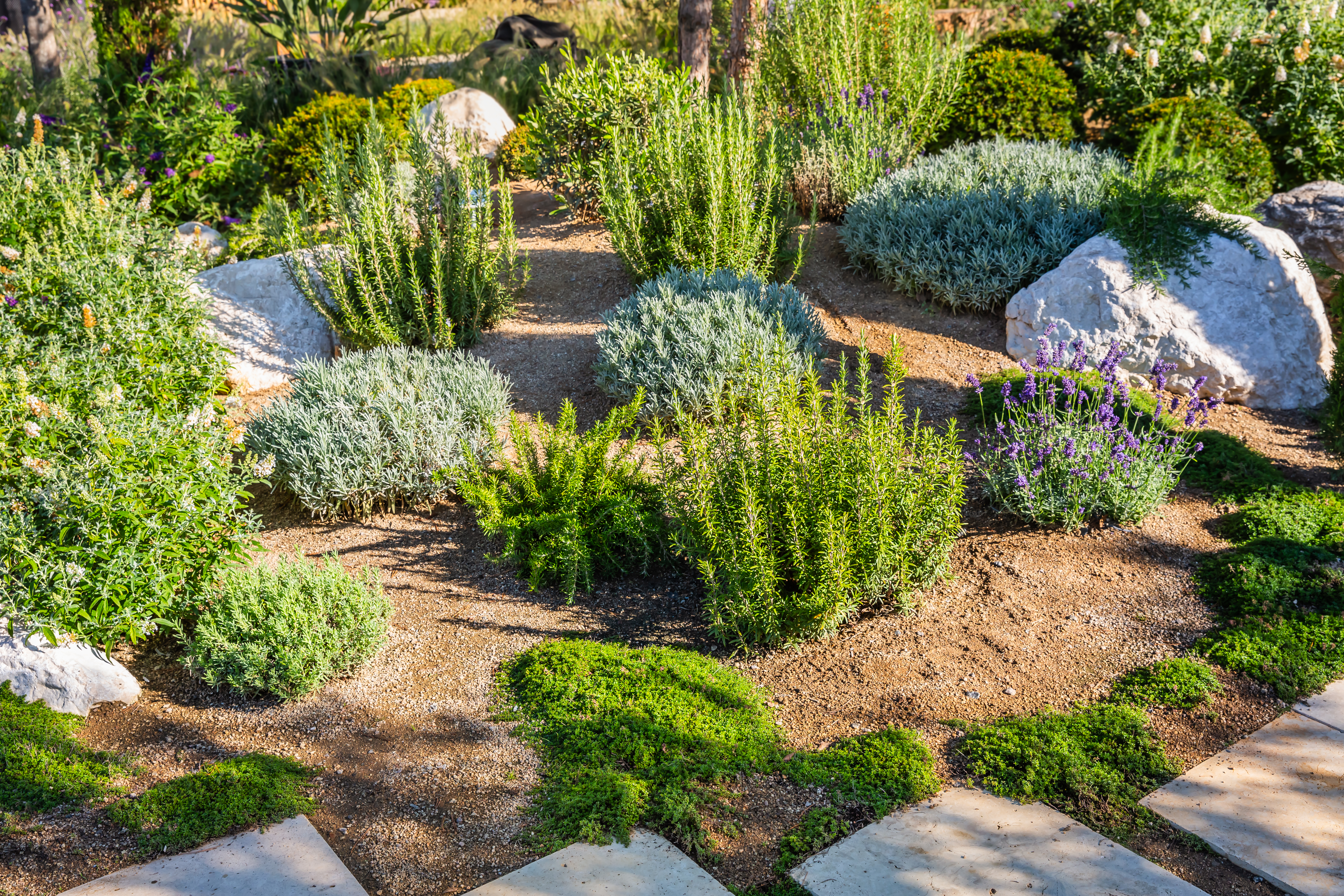
Transforming your garden into a fortress against pests involves making informed plant choices.
Native and pest-resistant plants can do the heavy lifting for you, providing beauty and defense in one package.
Native plants are your secret weapon.
They’re adapted to the local climate and pest pressures, often requiring less maintenance.
Plants like purple coneflower and black-eyed Susan are not only beautiful but also tough against pests.
They thrive with minimal care and support local wildlife, creating a balanced ecosystem.
Pest-resistant plants are another ally.
Varieties bred for resistance to common pests can reduce the need for interventions.
Look for plants labeled as resistant or consult local nurseries for advice.
By choosing the right plants, you set the stage for a healthier, more resilient garden.
Mulch is a gardener’s best friend when it comes to pest control.
Spread a two to three-inch layer around your plants to protect roots and deter weeds.
This barrier also helps retain moisture and regulate soil temperature, creating an environment where plants thrive and pests are discouraged.
However, it’s important not to overdo it.
Too much mulch can become a haven for pests like slugs and snails.
Keep mulch a few inches away from plant stems to prevent these pests from settling in.
Remember, moderation is key—just enough to protect without inviting trouble.
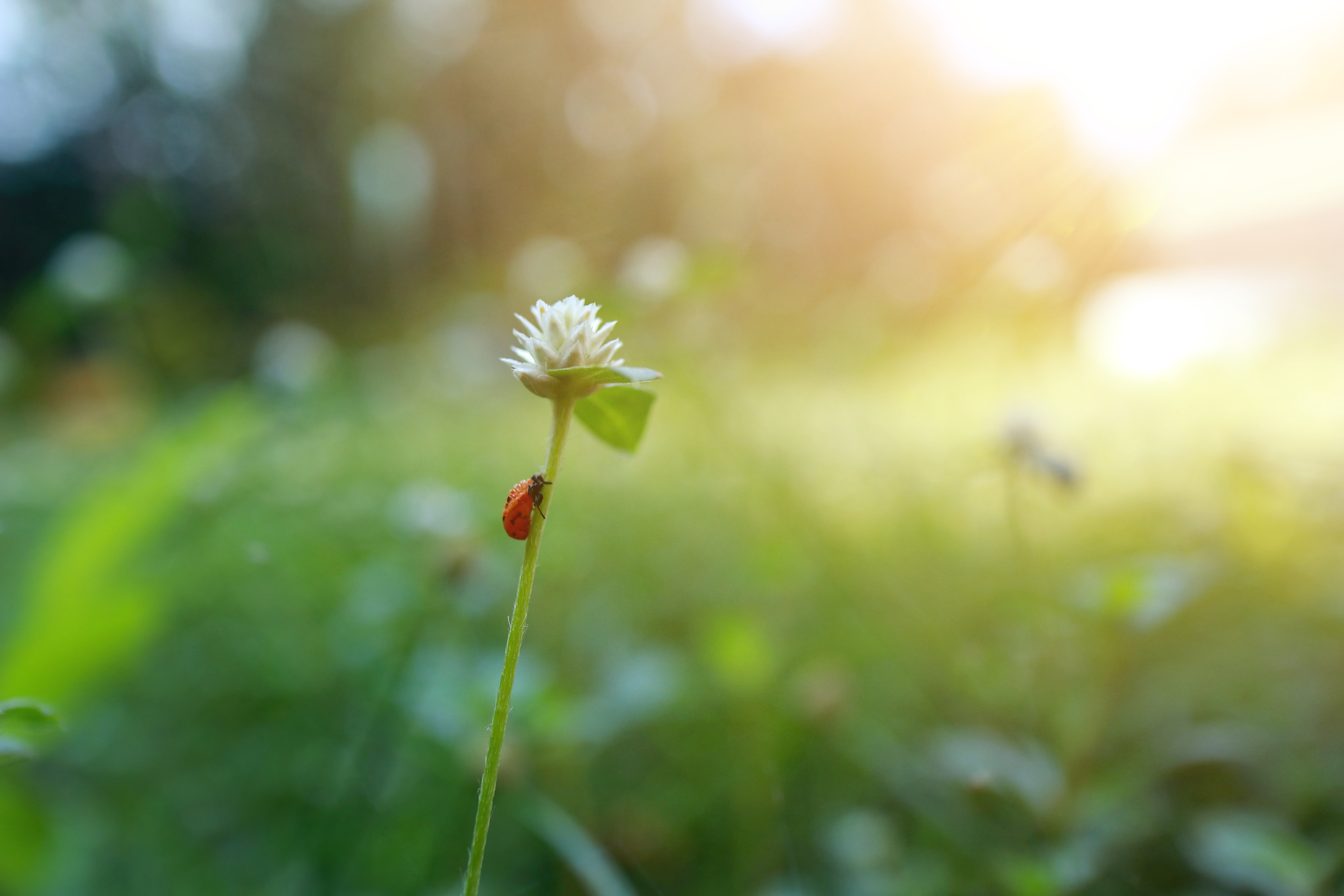
While some bugs bother us, others can be a big help.
Encouraging beneficial insects offers natural pest control, making your garden a vibrant, balanced habitat.
To attract beneficial insects, plant a variety of flowers that bloom throughout the growing season.
Herbs like dill and fennel are favorites for attracting predatory insects.
By providing a continuous food source, you invite these helpers to stay and patrol your garden.
Avoid using broad-spectrum pesticides, as they can harm the very insects you want to attract.
Instead, focus on nurturing a supportive environment.
A garden that’s buzzing with life is less likely to suffer from pest outbreaks.
For more on supporting beneficial insects, see this eco-friendly pest control guide.
Good garden hygiene is essential for supporting beneficial insects.
Start by removing debris and dead plants regularly to reduce hiding spots for pests.
Compost old plant material to recycle nutrients back into your garden.
Spacing plants for good airflow prevents moisture-loving pests like fungi and molds, which can attract unwanted insects.
By keeping your garden tidy, you create a welcoming environment for beneficial insects to thrive and keep pest populations in check.
By integrating these practices, you’re not just controlling pests—you’re fostering a garden that’s vibrant and resilient.
Enjoy the fruits of your labor, knowing your garden is a haven for both plants and helpful creatures.
For more insights, consider visiting our comprehensive eco-friendly pest management guide.

Affordable natural pest control uses common household items like vinegar, baking soda, essential oils, and diatomaceous earth to safely and cost-effec...
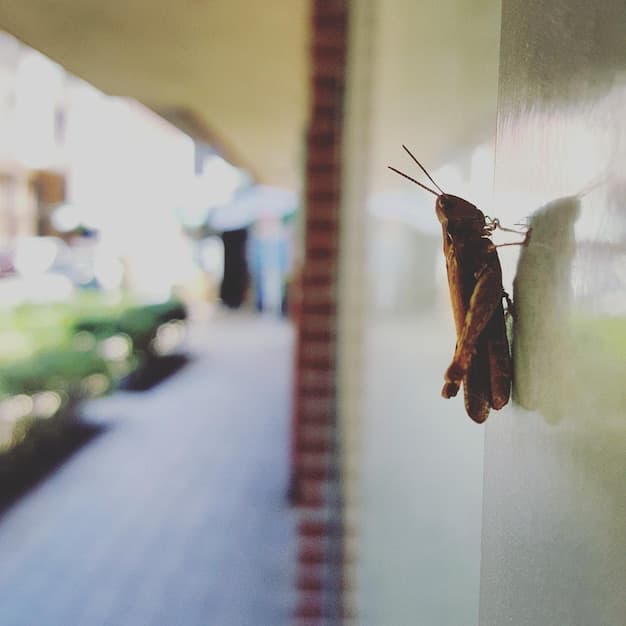
Avoid common natural pest control mistakes like misusing essential oils, ignoring entry points, and overlooking pest habitats. Use pet-safe remedies, ...
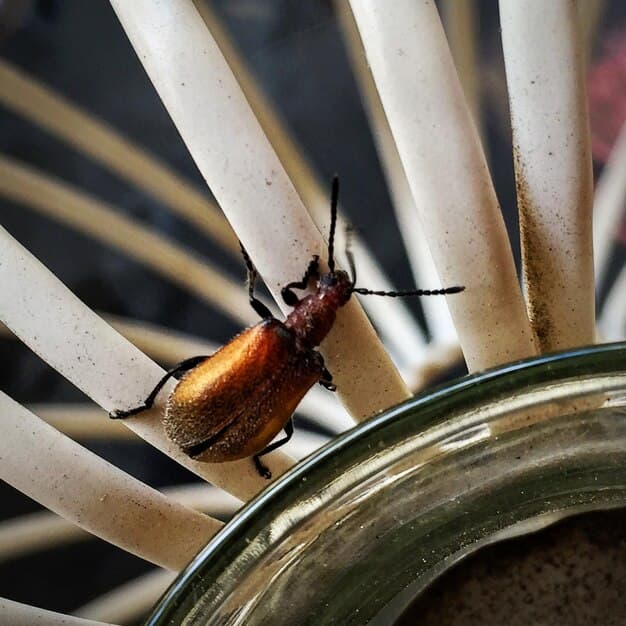
Spring pests surge due to warmer weather seeking food and shelter. Natural, non-toxic methods like vinegar, essential oils, sealing entry points, and ...

Layered natural pest control combines prevention, sealing, trapping, and repellents using safe, non-toxic methods like essential oils, diatomaceous ea...
