
Pests don’t have to take over your home or garden.
You can stop them safely and affordably using simple kitchen ingredients and easy recipes.
This guide walks you through making your own natural pest repellent that’s gentle on pets and tough on bugs.
Keep reading to learn step-by-step how to protect your space with DIY pest control you can trust.
For more on making natural solutions, check out this resource.
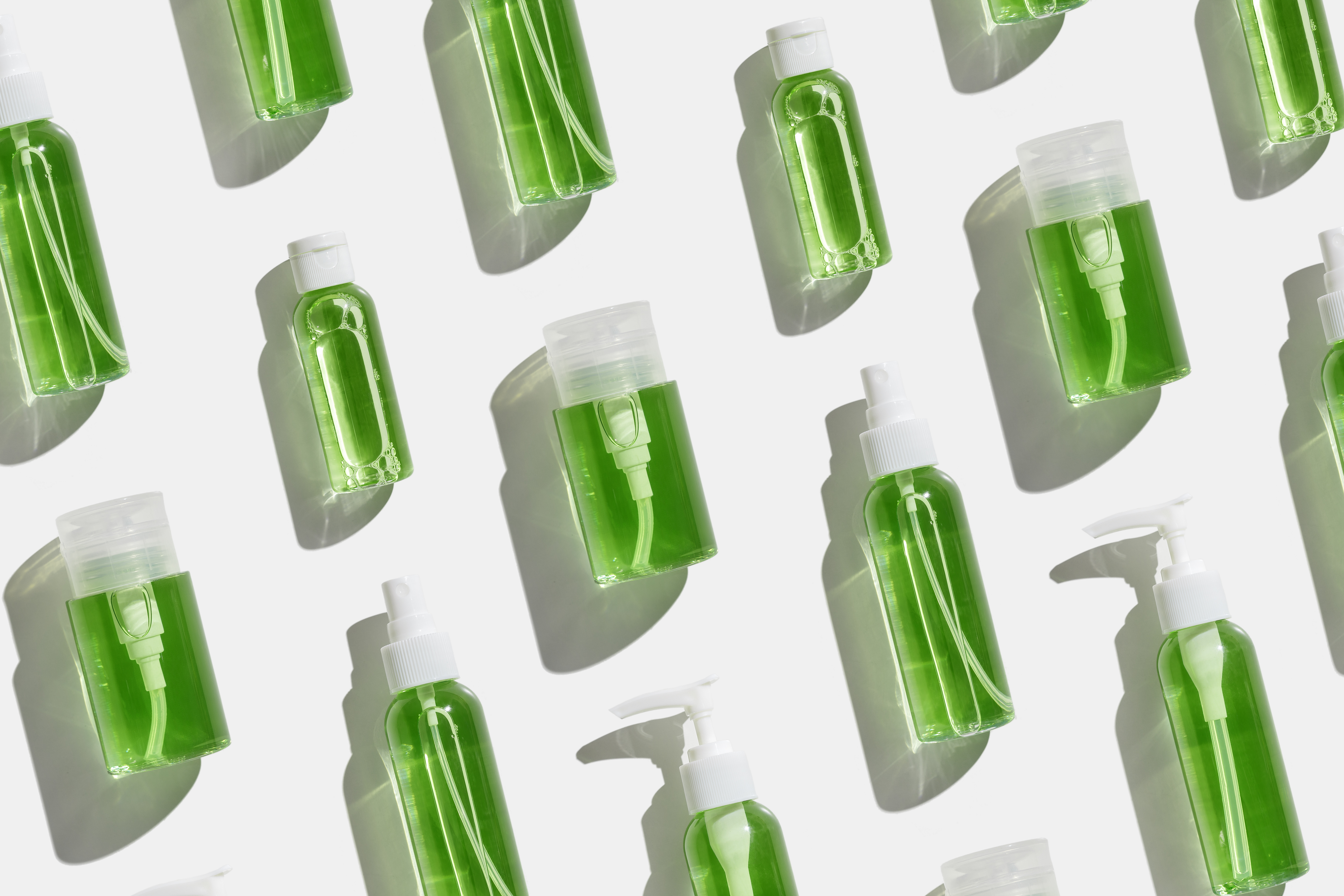
Finding effective ways to manage pests without harsh chemicals can seem daunting, but it’s easier than you think.
Let’s explore how common kitchen ingredients can help you tackle pests naturally.
Ants can invade your space quickly.
Luckily, vinegar is a simple solution.
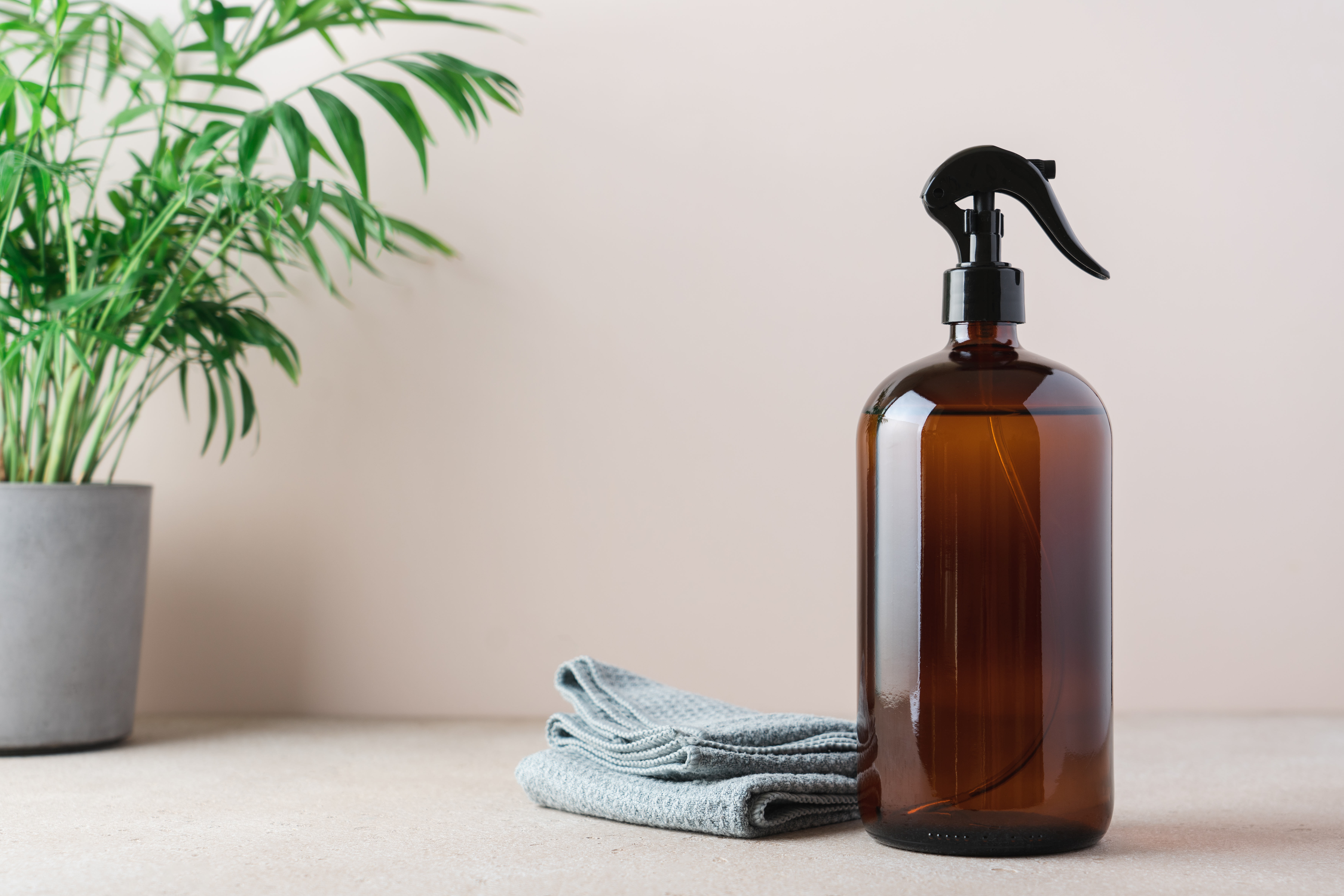
Mix equal parts of water and white vinegar in a spray bottle.
Spray it directly on ant trails and entry points.
The acetic acid in vinegar disrupts their scent trails, keeping them away.
Remember to reapply regularly, especially after cleaning.
Most people don’t realize vinegar’s power against ants, but it’s a game-changer.
This method is a quick and affordable way to learn how to get rid of ants naturally.
Spiders often sneak into homes unnoticed, but peppermint oil can deter them.
Combine 15 drops of peppermint essential oil with a cup of water in a spray bottle.
Shake well and spray around windows, doors, and other entry points.
Spiders dislike peppermint’s strong scent, making this a natural spider repellent.
Reapply every week for best results.
You might think spiders are tough to repel, but just a hint of peppermint oil can do the trick.
Mosquitos can ruin your outdoor fun, but garlic offers a simple fix.
Crush a few garlic cloves and boil them in water.
Once cooled, pour the mixture into a spray bottle.
Spray this around your patio or garden to keep mosquitos at bay.
Garlic releases strong compounds that bother mosquitos, making it a natural mosquito repellent recipe.
Reapply every few days for continuous protection.
You’ll be surprised how such a common ingredient can provide effective relief from these pests.

Your pets are family, and keeping them safe from harmful chemicals is important.
Here’s how to protect them while managing pests.
Choose solutions that are gentle but effective.
For fleas, sprinkle food-grade diatomaceous earth on carpets and pet bedding.
Vacuum after a few hours.
This non-toxic option dries out fleas upon contact, keeping your furry friends itch-free.
Most people think pet-safe means less effective, but these methods prove otherwise.
Always consult with your vet before trying new treatments on your pets.
Reptiles have unique needs, and pest control must be handled with care.
Use herbal sprays made from chamomile or mint around their enclosures.
Ensure your reptile isn’t exposed directly to the spray.
Here’s the key insight: avoid any chemical treatments.
Instead, focus on keeping their habitat clean and free from pest entry points.
You’ll find these natural solutions ensure a safe environment for your scaly companions.
Non-toxic sprays can be potent.
Look for products made with essential oils for pests like eucalyptus or cedar.
These oils are strong enough to repel bugs but safe for use around children and pets.
It’s easy to assume non-toxic means less efficient.
Still, these sprays deliver results without compromising safety.
For more information, read this statement on homemade pesticides.
Using what’s already in your kitchen can make pest control both convenient and affordable.
Let’s dive into some essential ingredients and tips.
Your kitchen holds the keys to pest-free living.
Items like vinegar, baking soda, and citrus peels can effectively deter common pests.
These cost-effective solutions provide a powerful defense without harmful chemicals.
You might think you need expensive products, but your pantry already has powerful tools.
Your journey to eco-friendly pest control starts right here with everyday items.
Roaches are resilient, but diatomaceous earth offers a natural solution.
Sprinkle it lightly in areas where you spot roach activity.
This powder dehydrates and kills them without chemicals.
For those seeking a homemade roach killer, this method is both safe and effective.
You’ll quickly see why this, often overlooked resource, is a favorite among natural pest control enthusiasts.
For detailed application tips, learn more here.
Prevention is always better than cure.
Seal cracks, keep your home clean, and store food securely.
Regularly inspect your home for potential entry points.
Preventative measures are often the simplest yet overlooked.
Most people think pest control is about treatment, but prevention can save you time and effort in the long run.
By understanding these methods, you’re empowering yourself to create a safer, pest-free environment for your family and pets. 烈

Affordable natural pest control uses common household items like vinegar, baking soda, essential oils, and diatomaceous earth to safely and cost-effec...
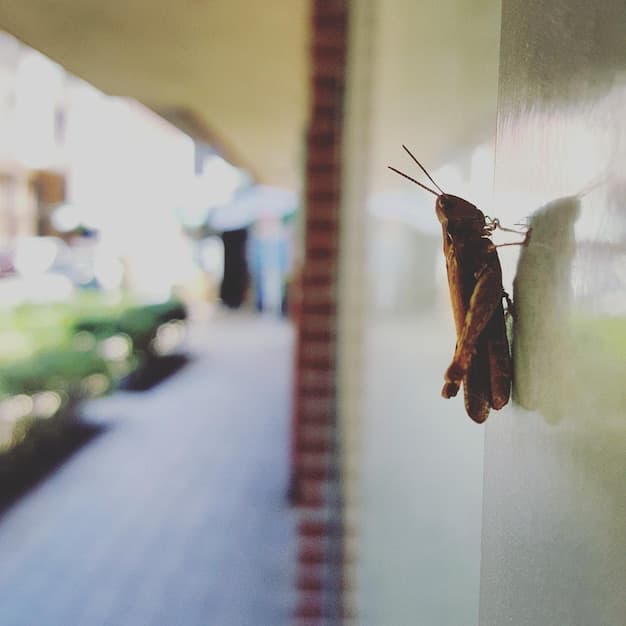
Avoid common natural pest control mistakes like misusing essential oils, ignoring entry points, and overlooking pest habitats. Use pet-safe remedies, ...
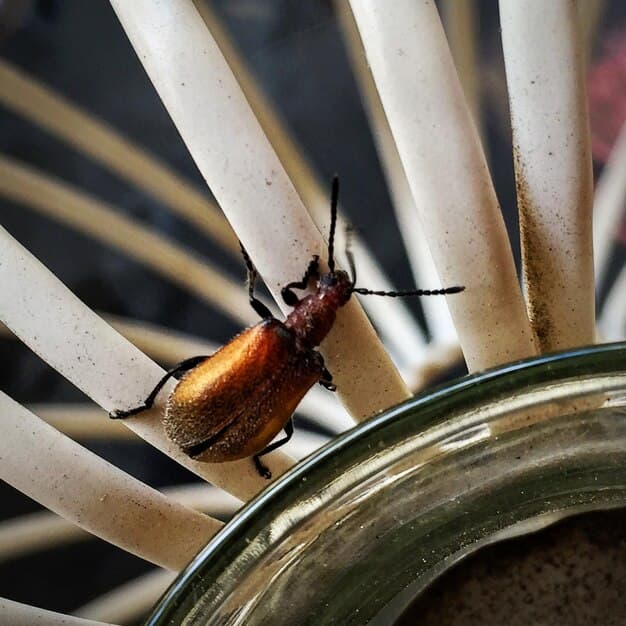
Spring pests surge due to warmer weather seeking food and shelter. Natural, non-toxic methods like vinegar, essential oils, sealing entry points, and ...

Layered natural pest control combines prevention, sealing, trapping, and repellents using safe, non-toxic methods like essential oils, diatomaceous ea...
