
Pests don’t just annoy—they threaten your home’s comfort and safety.
You want a solution that’s safe for your kids, pets, and garden but don’t want to spend a fortune or spray harsh chemicals.
This step-by-step guide shows you how to make a natural pest repellent spray using simple kitchen and garden ingredients you already have.
Ready to take control with a DIY bug spray that really works?
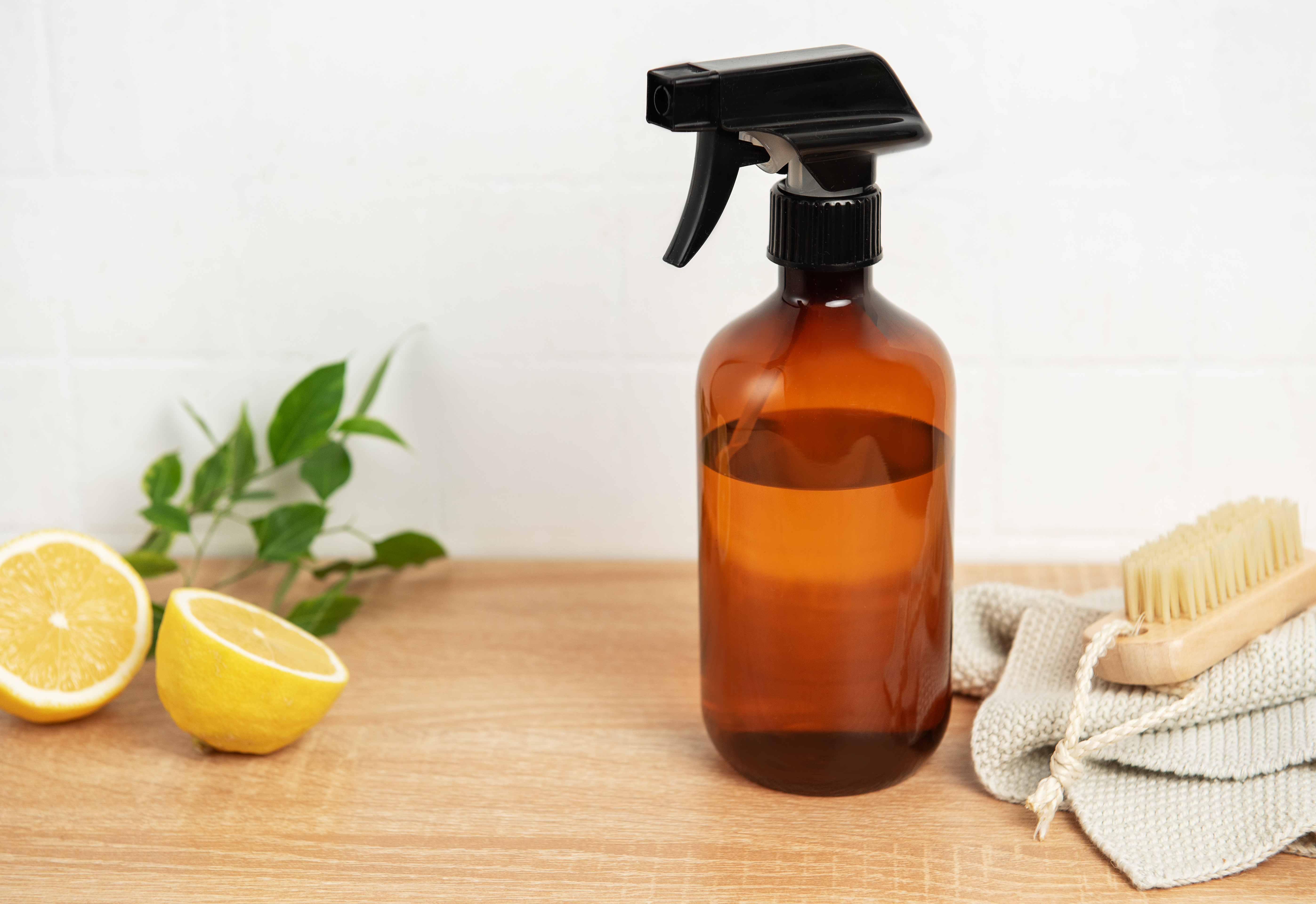
Creating your own pest spray begins with gathering the right ingredients.
You probably have many of these at home already.
Let’s explore what you need to get started.
First, head to your kitchen.
Common items like vinegar and baking soda are key players. Vinegar for ants is a popular choice because it disrupts their scent trails.
Baking soda, when combined with sugar, can deter roaches by attracting them and then reacting to kill them.
Don’t forget to grab lemon juice, which can help repel spiders.
These ingredients are not only effective but also safe for your family and pets.
Imagine your kitchen transformed into a pest control hub.
You’ll be surprised how powerful these everyday ingredients can be.
Plus, they’re budget-friendly, saving you from expensive store-bought options.
Remember, the goal is to use what you have to keep your home safe and pest-free.
Now, let’s talk about what carries these active ingredients.
Water is the most obvious choice, but consider adding witch hazel or rubbing alcohol for a stronger blend. Witch hazel is gentle yet effective, often used in homemade insect repellent.
Rubbing alcohol can enhance the spray’s drying effect, deterring pests from returning.
You might wonder if these base liquids are safe.
They are!
When diluted correctly, they pose no harm to humans or pets.
By choosing the right base, you amplify the effectiveness of your spray, making it more potent against pests without harsh chemicals.
Essential oils are the secret weapon in your eco-friendly pest control arsenal. Peppermint oil for spiders is a favorite because it’s fragrant and effective.
For mosquitoes, citronella offers a natural shield.
And if you’re battling roaches, tea tree oil is your go-to.
Using essential oils not only enhances the spray’s power but also leaves your home smelling fresh.
You’ll love how these oils transform your pest control routine into a pleasant experience.
People often underestimate the power of essential oils.
Yet, they are potent tools in keeping pests at bay.
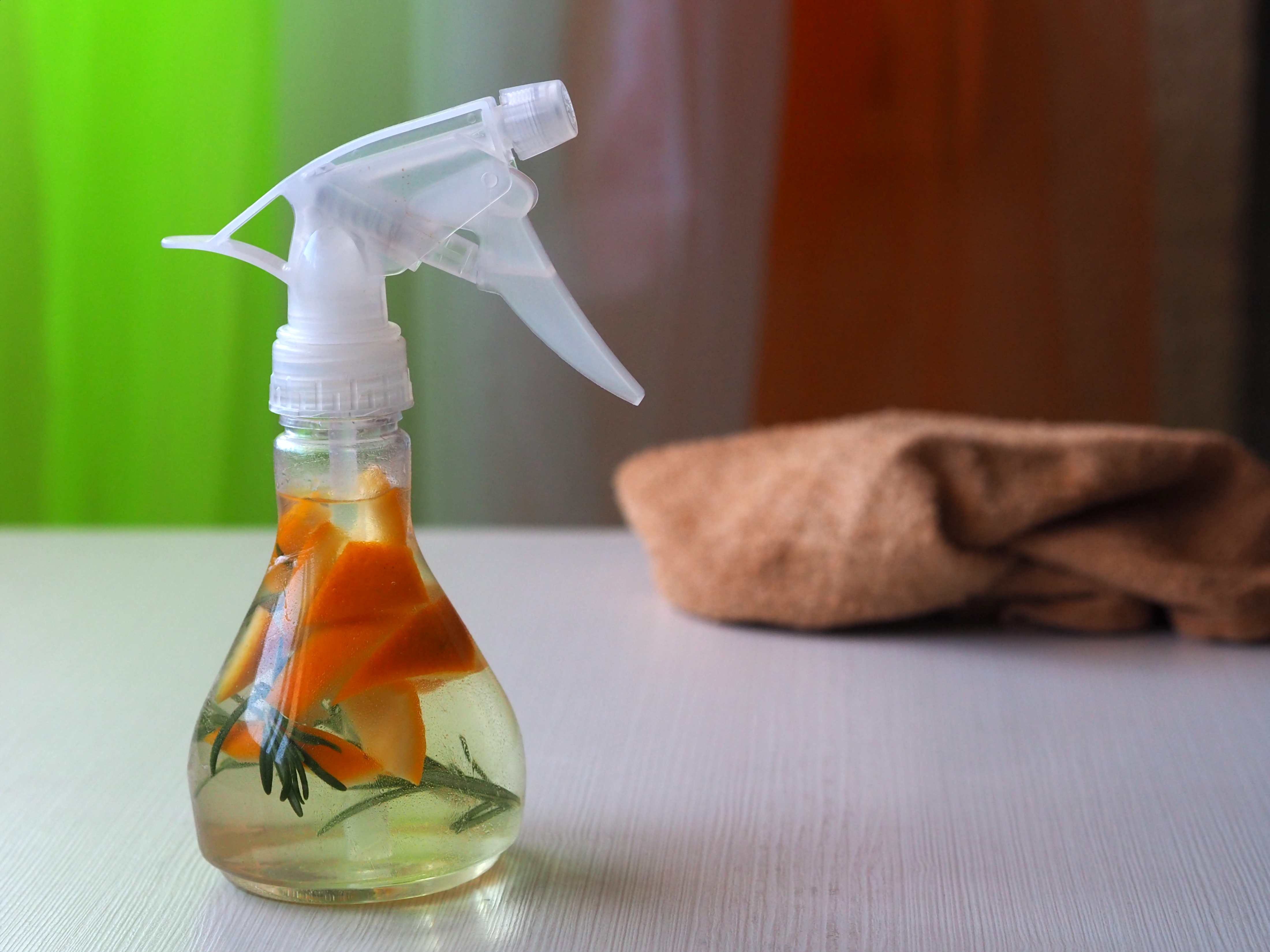
With all your ingredients ready, it’s time to mix your spray.
This is where the magic happens.
Get ready to combine these elements into a powerful pest deterrent.
Precision is key when mixing your DIY bug spray.
Start by combining 1 cup of your chosen base liquid with 2 tablespoons of vinegar.
Add 10 drops of your selected essential oil.
If you use more than one oil, divide the drops between them.
1 cup water or witch hazel + 2 tbsp vinegar
10 drops essential oil (e.g., peppermint or citronella)
Shake well in a spray bottle.
Consistency is crucial here.
The right mix ensures every spray is effective.
Remember, this isn’t just about mixing ingredients.
It’s about creating a formula that works.
Different pests require different blends.
For ants, focus on vinegar and peppermint.
Mosquitoes hate citronella and lemon eucalyptus.
Roaches are thwarted by tea tree oil combined with baking soda.
Consider these examples:
Ants: Vinegar + Peppermint oil
Mosquitoes: Citronella + Lemon eucalyptus
Roaches: Tea tree oil + Baking soda
Most people think a one-size-fits-all approach works.
But tailoring your spray to specific pests increases its effectiveness.
It’s a small tweak with a big impact.
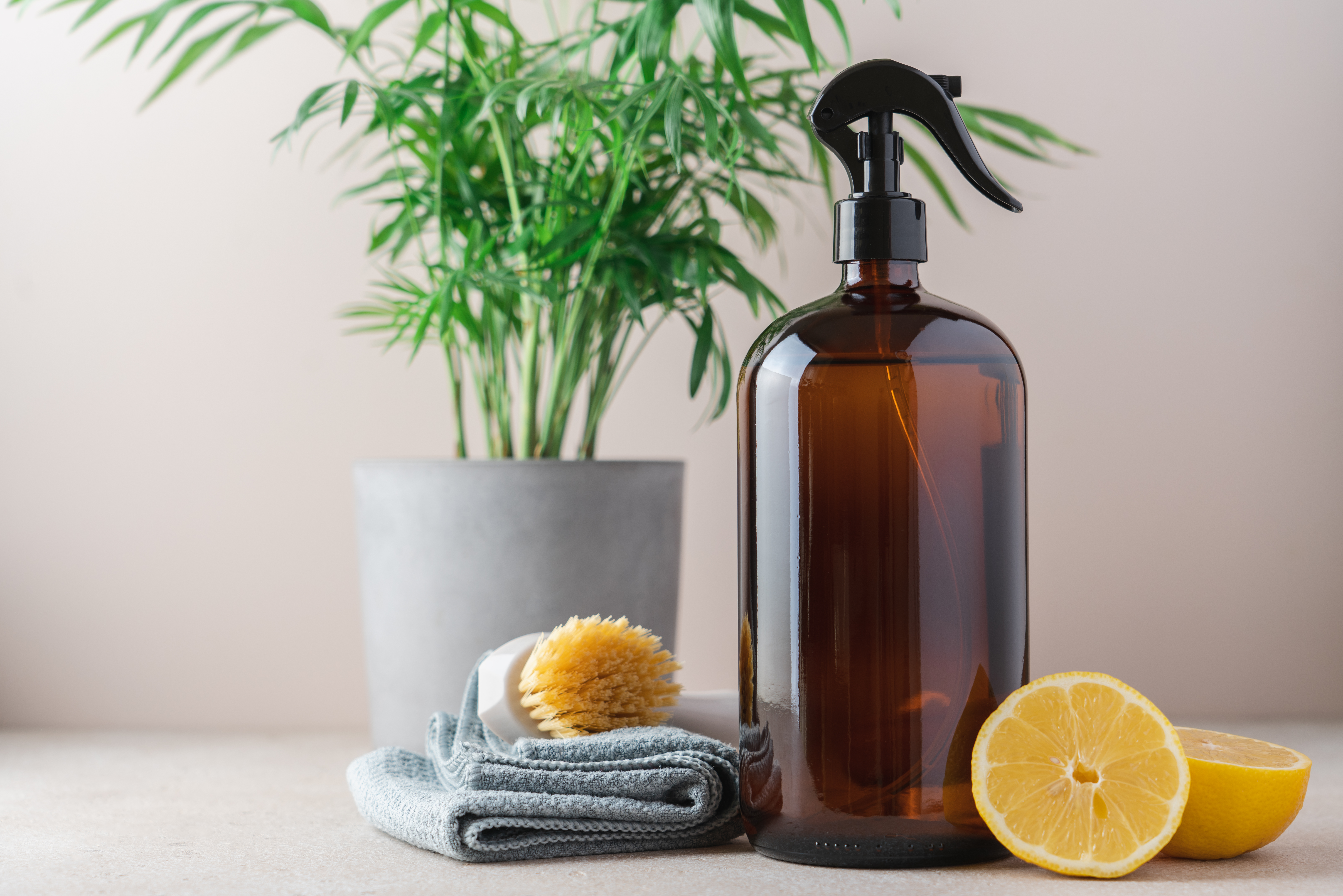
Once your spray is ready, applying it safely is the next step.
Let’s ensure you know how to use and store your spray effectively.
When applying indoors, focus on entry points like windowsills and door frames.
Spray lightly to avoid residue.
Outdoor application should cover garden areas, especially plant bases.
This helps keep pests from invading your home.
Be strategic.
A well-placed spray can prevent pests from even considering your home as a target.
This isn’t just about application; it’s about creating a barrier that deters pests naturally.
Safety is crucial, especially around kids and pets.
The beauty of this pet-safe pest spray is its non-toxic nature.
Always spray when children and pets are in another room.
Once dry, it’s safe for all.
Most sprays warn against contact with pets, but not yours.
This peace of mind is priceless.
Your home should be a safe haven, free from chemicals yet protected from pests.
Proper storage ensures your spray lasts.
Keep it in a cool, dark place to maintain potency.
Typically, your homemade insect repellent stays effective for up to six months.
Why buy expensive sprays when you can make your own?
With this guide, you’ve learned to harness natural ingredients for a safer home.
Your journey to pest control begins in your kitchen.
Enjoy the peace of mind that comes from knowing you’ve created something effective and safe for your family and pets.

Affordable natural pest control uses common household items like vinegar, baking soda, essential oils, and diatomaceous earth to safely and cost-effec...
Avoid common natural pest control mistakes like misusing essential oils, ignoring entry points, and overlooking pest habitats. Use pet-safe remedies, ...
Spring pests surge due to warmer weather seeking food and shelter. Natural, non-toxic methods like vinegar, essential oils, sealing entry points, and ...

Layered natural pest control combines prevention, sealing, trapping, and repellents using safe, non-toxic methods like essential oils, diatomaceous ea...
