
Pests don’t just show up by chance—they follow patterns you can learn to spot.
When you understand pest behavior, natural pest control stops feeling like guesswork and becomes a smart, doable plan.
This guide breaks down common habits—from ant trails to mosquito breeding spots—so you can tackle pests safely and confidently using simple, eco-friendly methods.
Let’s turn their habits against them and keep your home pest-free the natural way.
For more information, check out this resource.
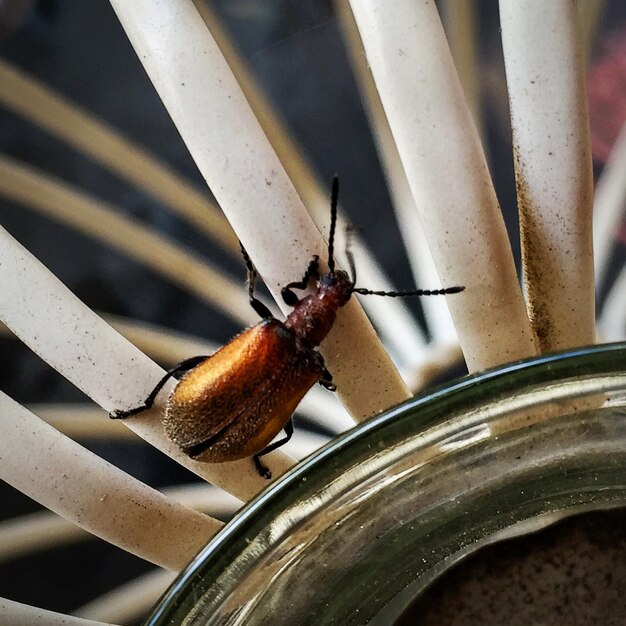
Knowing how pests behave is your first step toward tackling them naturally.
By observing their habits, you can use targeted methods to keep them at bay without harming the environment.
Ants are like tiny road builders.
They leave a scent trail that others follow, making it seem like they appear out of nowhere.
By understanding these invisible paths, you can disrupt their journey.
Locate the entry point where ants invade your home.
Use a mixture of water and vinegar to erase their scent trail, which confuses them and deters others from following.
A sprinkle of cinnamon or cayenne pepper at entry points can also act as a natural barrier.
Want more insights on ant control?
This guide might help.
Cockroaches love warm, dark places where they can hide and breed.
By knowing their likes, you can make your home less inviting.
Start by eliminating hiding spots like piles of newspapers or cardboard.
Keep your kitchen free of crumbs and fix any leaks that could provide water. Borax, combined with sugar, can be an effective deterrent.
Remember, cockroaches are resilient, so staying consistent is key.
For more methods, check out this biological control resource.
Mosquitoes need standing water to breed.
Even a small amount can be enough for them to thrive.
Look around your yard for any stagnant water in flower pots, bird baths, or gutters.
Empty these regularly.
Adding a few drops of essential oil like lavender or citronella to water features can deter them without harming beneficial insects.
If you’re interested in more pest control techniques, explore this handbook.
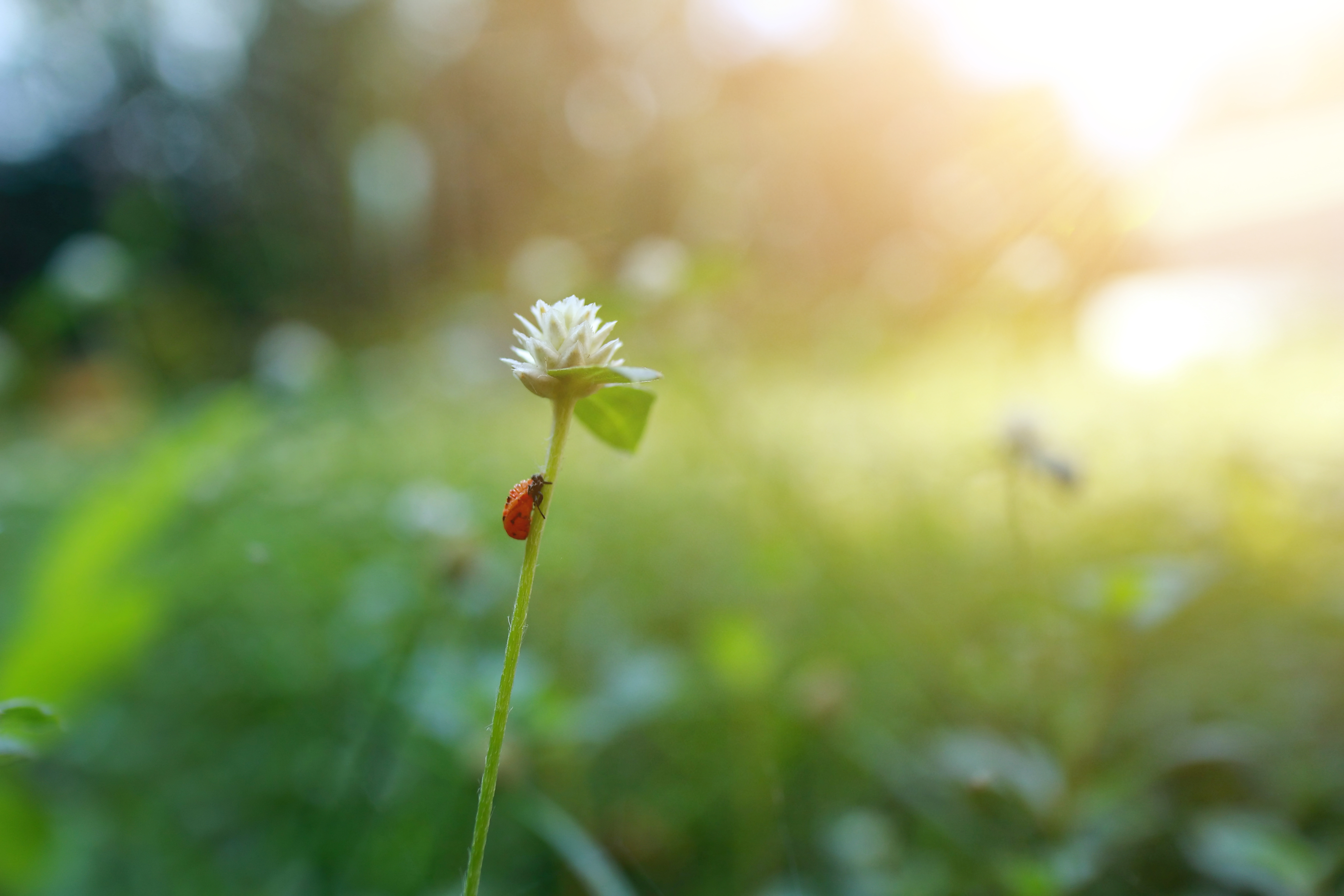
Once you understand pest behavior, using eco-friendly methods becomes straightforward.
These solutions allow you to maintain a pest-free home without resorting to harsh chemicals.
Creating your own pest control remedies is both satisfying and effective.
For ants, a simple solution of vinegar and water spritzed along their trails works wonders.
To tackle fruit flies, set a trap with apple cider vinegar and a few drops of dish soap in a jar.
Cover the jar with plastic wrap, poking small holes to lure them in.
These home remedies are not only easy to make but also keep your environment safe.
If you’re keen on DIY, you might enjoy this control mechanism guide.
If you own reptiles, you know that keeping their environment free of pests is crucial.
But, not all pest control methods are safe for these critters.
Instead of chemical sprays, use sticky traps to capture bugs.
Ensure that your reptile’s food is stored in airtight containers to prevent pest attraction.
Always choose non-toxic solutions that won’t harm your pets.
For further advice, consider researching non-toxic pest control options.
Rats and mice can be a big nuisance, but there’s no need to resort to harmful traps.
Use humane traps that allow you to release them far from your home.
Peppermint oil on cotton balls placed in strategic spots can also act as a deterrent, as rodents dislike the strong scent.
Remember, sealing entry points is crucial to prevent them from returning.
For more tips on humane control, this integrated pest management guide is a great resource.
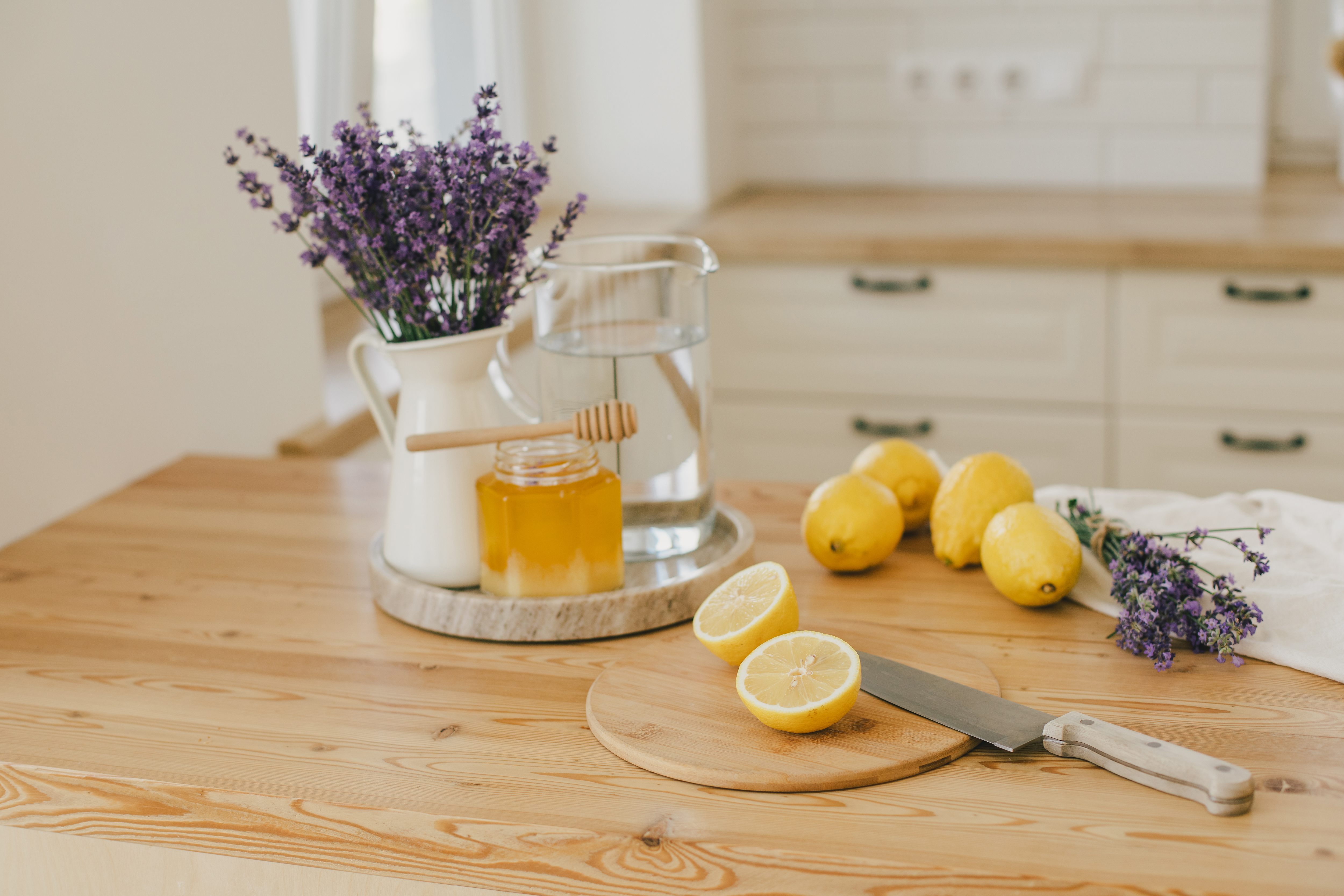
Prevention is always better than cure.
By using natural remedies, you can stop pests before they become a problem.
Vinegar is a versatile tool in your pest control arsenal.
It not only disrupts ant trails but also deters spiders.
Use a mixture of equal parts vinegar and water to wipe down surfaces where pests are active.
The smell may be strong initially, but it dissipates, leaving your home pest-free.
Plus, it’s safe for humans and pets.
Essential oils are more than just for relaxation; they are powerful pest repellents. Tea tree oil can keep mosquitoes at bay while eucalyptus oil works wonders against flies.
Mix a few drops with water in a spray bottle and apply it to door frames and windowsills.
This natural approach keeps your home smelling fresh while deterring unwanted guests.
The best way to keep pests out is to prevent them from getting in.
Inspect your home for cracks and gaps where pests can enter.
Use caulk to seal these entry points effectively.
Pay special attention to areas around pipes and vents.
This simple step can drastically reduce pest problems, saving you time and effort in the long run.
By understanding and responding to pest behavior, you can enjoy a home that is not only pest-free but also safe for your family and the environment.
Remember, the key is consistency and observation.
Start today with these natural methods, and soon, you’ll see the difference they make!
Affordable natural pest control uses common household items like vinegar, baking soda, essential oils, and diatomaceous earth to safely and cost-effec...
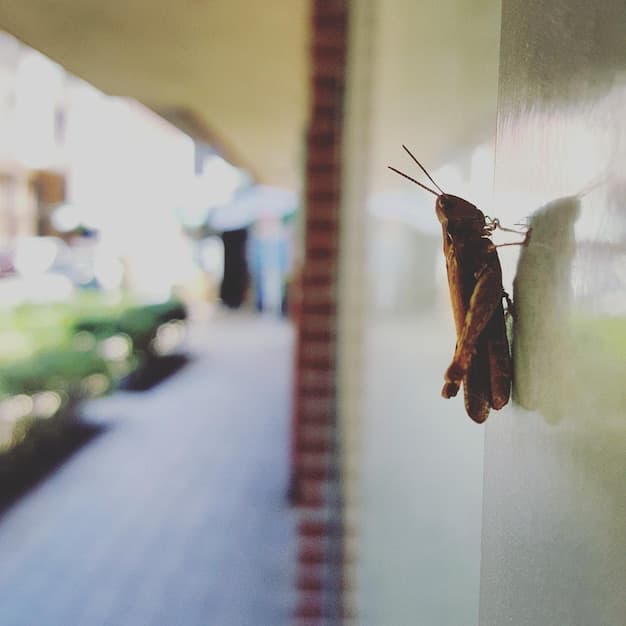
Avoid common natural pest control mistakes like misusing essential oils, ignoring entry points, and overlooking pest habitats. Use pet-safe remedies, ...
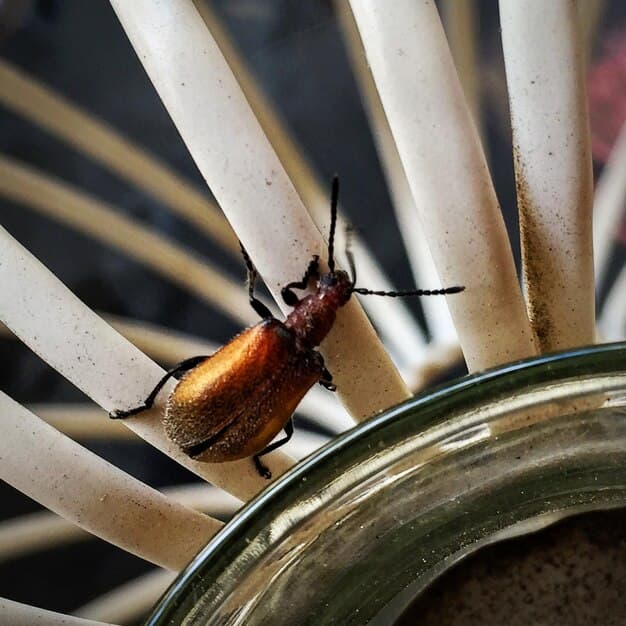
Spring pests surge due to warmer weather seeking food and shelter. Natural, non-toxic methods like vinegar, essential oils, sealing entry points, and ...
Layered natural pest control combines prevention, sealing, trapping, and repellents using safe, non-toxic methods like essential oils, diatomaceous ea...
