
Most pest control advice misses the crucial step: understanding the pest life cycle.
Without this, your natural pest control efforts may only scratch the surface.
Knowing each stage helps you break the breeding cycle safely and effectively, using simple home remedies and eco-friendly tips.
Keep reading to learn how to target pests at the right time—and take back your home without harsh chemicals.
For more information, check out this resource: https://content.ces.ncsu.edu/extension-gardener-handbook/8-integrated-pest-management-ipm.

Understanding the intricacies of a pest’s life cycle is your first step to effective control.
This knowledge lets you disrupt their growth at just the right moments.
Every pest has distinct life stages—egg, larva, pupa, and adult.
Recognizing these stages helps you target them more precisely.
For instance, cockroaches lay eggs in protective casings, making them tough to eliminate.
By focusing efforts when eggs hatch, you can significantly cut their numbers.
Similarly, knowing that mosquitoes breed in stagnant water allows you to remove these sites, breaking their cycle before they mature.
Timing is everything in pest control.
Apply your solutions when pests are most vulnerable.
For example, aphids are easiest to manage in their nymph stage, before they develop wings.
Soapy water can be sprayed on plants to control them at this point.
Catching fruit flies early, when they first start buzzing around your kitchen, allows you to set effective traps before they multiply. Explore more about biological pest control methods.
Using non-toxic solutions means you can control pests without harming your family or pets.
Food-grade diatomaceous earth is an excellent option.
It dries out insects, but is safe for humans and animals.
Neem oil works against a variety of pests, disrupting their growth and reproduction.
By incorporating these solutions, you maintain a healthy home environment while effectively managing pests.
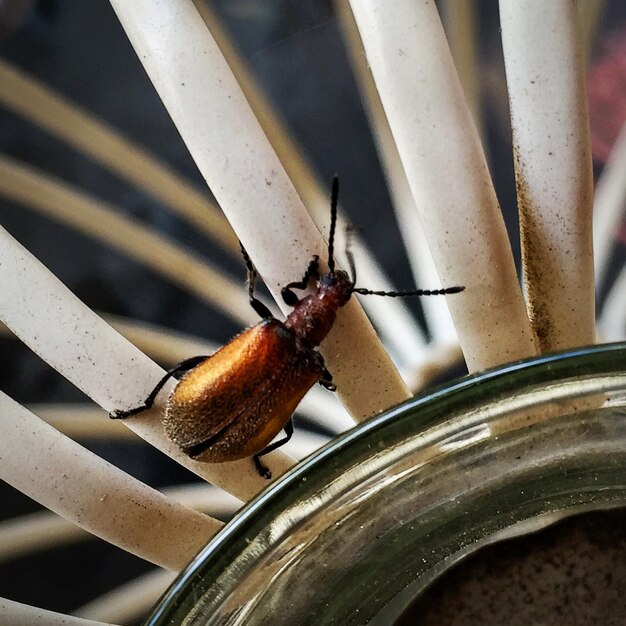
Natural techniques not only protect your home but also the environment.
Let’s dive into some tried-and-true methods.
Many solutions are right in your kitchen.
Vinegar traps lure and trap fruit flies effectively.
Simply fill a bowl with apple cider vinegar, cover it with plastic wrap, and poke small holes.
The flies get in but can’t escape.
A similar approach works with a mix of sugar and water to attract ants, luring them away from your counters.
These simple tricks show that a pest-free home doesn’t need to rely on chemicals.
Eco-friendly management focuses on prevention.
Seal cracks where pests enter your home.
Keep your garden tidy to eliminate hiding places for insects and rodents.
Regularly check stored food for signs of pests, especially during warmer months when pantry moths are prevalent.
You’ll find that regular maintenance is your best defense. Learn more about integrated pest management strategies.
Pest issues change with the seasons.
In spring, focus on mosquito breeding sites by removing standing water.
Summer is prime time for ants, so keep sugary foods sealed.
Fall brings rodents indoors, so inspect your home for entry points.
Adapt your strategies throughout the year to stay one step ahead of pests.
Different tools give you an edge in maintaining a pest-free space without relying on toxic chemicals.
This natural powder works wonders against crawling insects.
Simply sprinkle it around your home’s perimeter or garden.
It’s harmless to humans but deadly to many pests.
Remember, it needs to stay dry to be effective.
It’s a simple yet powerful addition to your pest control arsenal.
Neem oil spray is a versatile tool in fighting pests like aphids and mites.
Mix with water and spray directly on plants.
It disrupts pest growth and keeps your plants healthy.
For fruit flies, a vinegar trap is easy to set up and highly effective.
These solutions offer a chemical-free approach to pest control.
Soap sprays are easy to make and use.
Mix dish soap with water and spray on plants to combat aphids and other soft-bodied insects.
It breaks down their outer coating, eliminating them safely.
Just ensure your plants are rinsed after treatment.
Soap sprays are a low-cost, effective method to tackle pests head-on.
For more details, read about organic pest management approaches.
By understanding the pest life cycle and employing these natural methods, you can effectively manage pests without harsh chemicals.
Remember, the key is to act at the right time with the right solution.
Your home can be a haven, free from unwelcome guests.
Affordable natural pest control uses common household items like vinegar, baking soda, essential oils, and diatomaceous earth to safely and cost-effec...
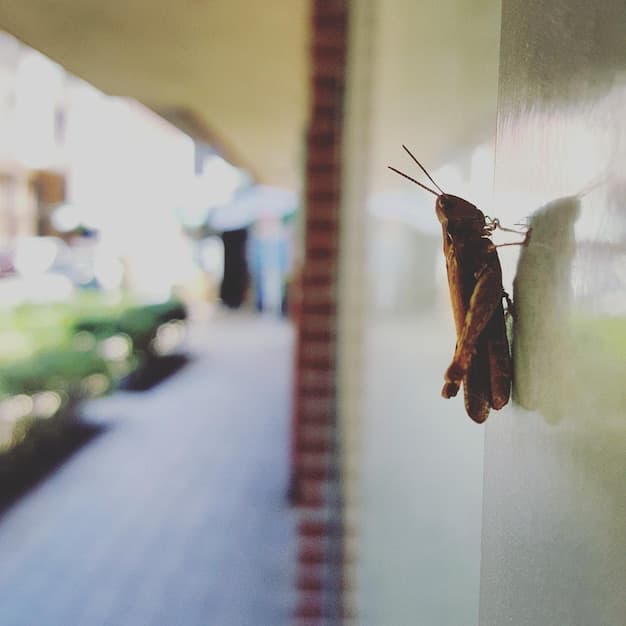
Avoid common natural pest control mistakes like misusing essential oils, ignoring entry points, and overlooking pest habitats. Use pet-safe remedies, ...
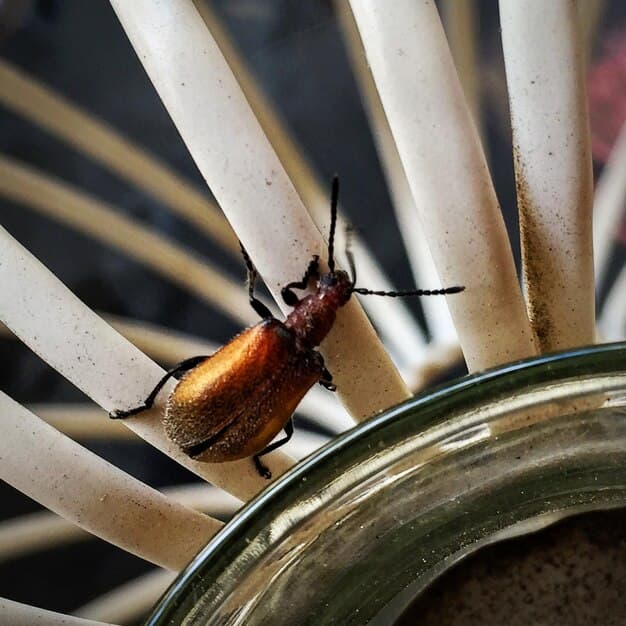
Spring pests surge due to warmer weather seeking food and shelter. Natural, non-toxic methods like vinegar, essential oils, sealing entry points, and ...
Layered natural pest control combines prevention, sealing, trapping, and repellents using safe, non-toxic methods like essential oils, diatomaceous ea...
