
Pests can turn your garden into a battlefield, no matter how much care you put in.
You want a thriving, pest-free garden without risking harmful chemicals or costly treatments.
That’s where eco-friendly pest control shines—simple, natural steps you can take to keep your plants healthy all year.
Let’s explore practical, sustainable gardening practices that protect your green space and the environment.
Check out this eco-friendly pest management guide for more tips and tricks!
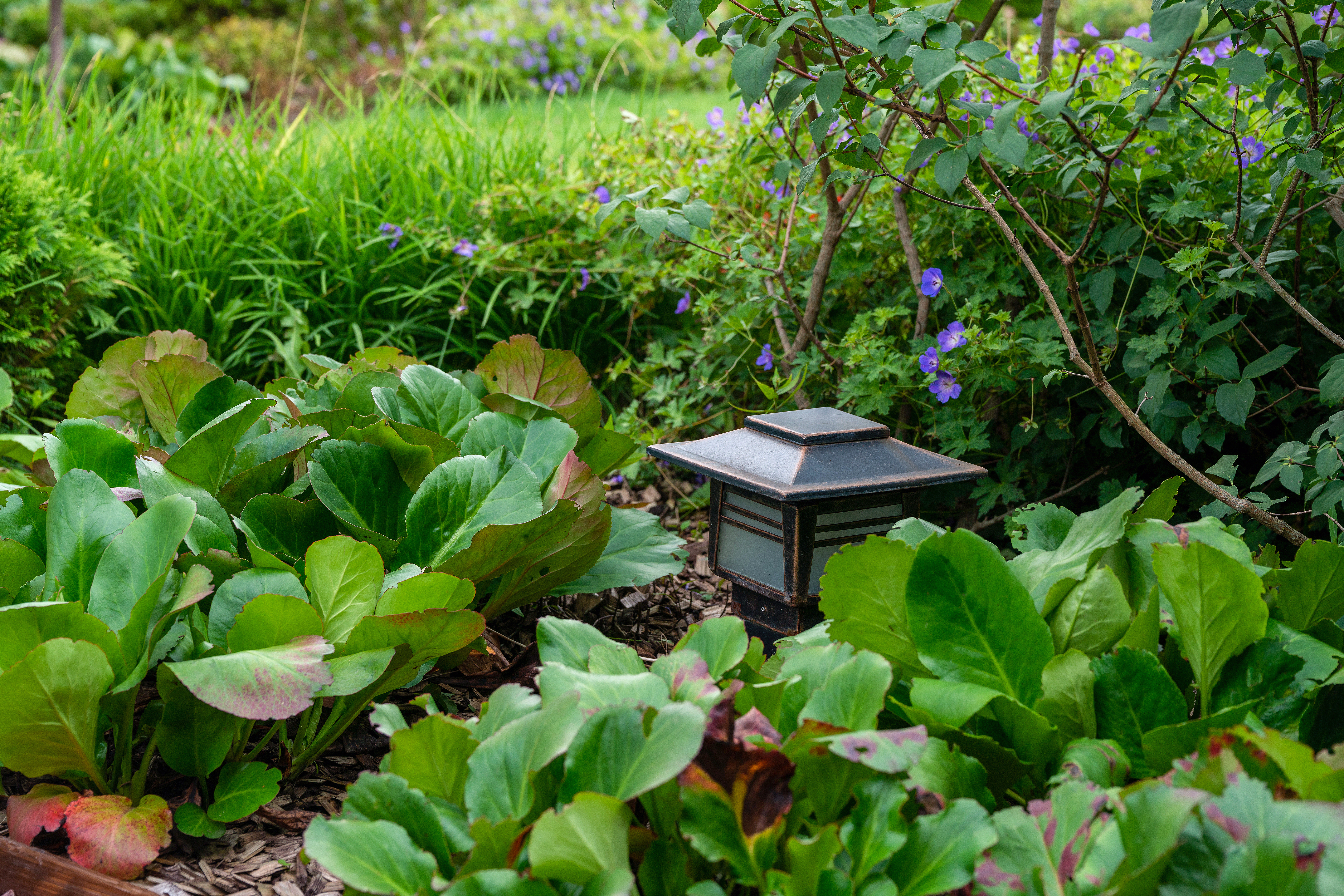
Creating a safe and thriving garden starts with understanding eco-friendly pest control.
It’s about using solutions that are kind to the earth and effective in keeping pests at bay. Natural pest solutions can safeguard your plants without the need for harmful chemicals.
Natural pest solutions offer numerous benefits.
First, they protect your plants without adding toxins to the soil.
For example, using neem oil can effectively deter insects while being safe for plants and wildlife.
Plus, these methods are usually cost-effective.
You can find many ingredients, like vinegar or garlic, right in your kitchen.
But it’s not just about saving money.
By choosing natural methods, you’re also contributing to a healthier planet.
Chemical pesticides can harm beneficial insects like bees.
Natural solutions help maintain the balance of your garden’s ecosystem.
This approach also ensures that your garden remains a safe haven for pets and children.
Many people think that sustainable gardening is complicated or ineffective.
This is simply not true.
In fact, natural methods can be just as powerful as their chemical counterparts.
For instance, a mix of soap and water can effectively combat aphids.
Another common myth is that you need an expert to get started.
Most natural pest control techniques are straightforward.
Anyone can learn them with a little guidance.
Check out this helpful guide to sustainable pest solutions for more insights.
Most people think they need store-bought products, but homemade solutions can often be just as effective.
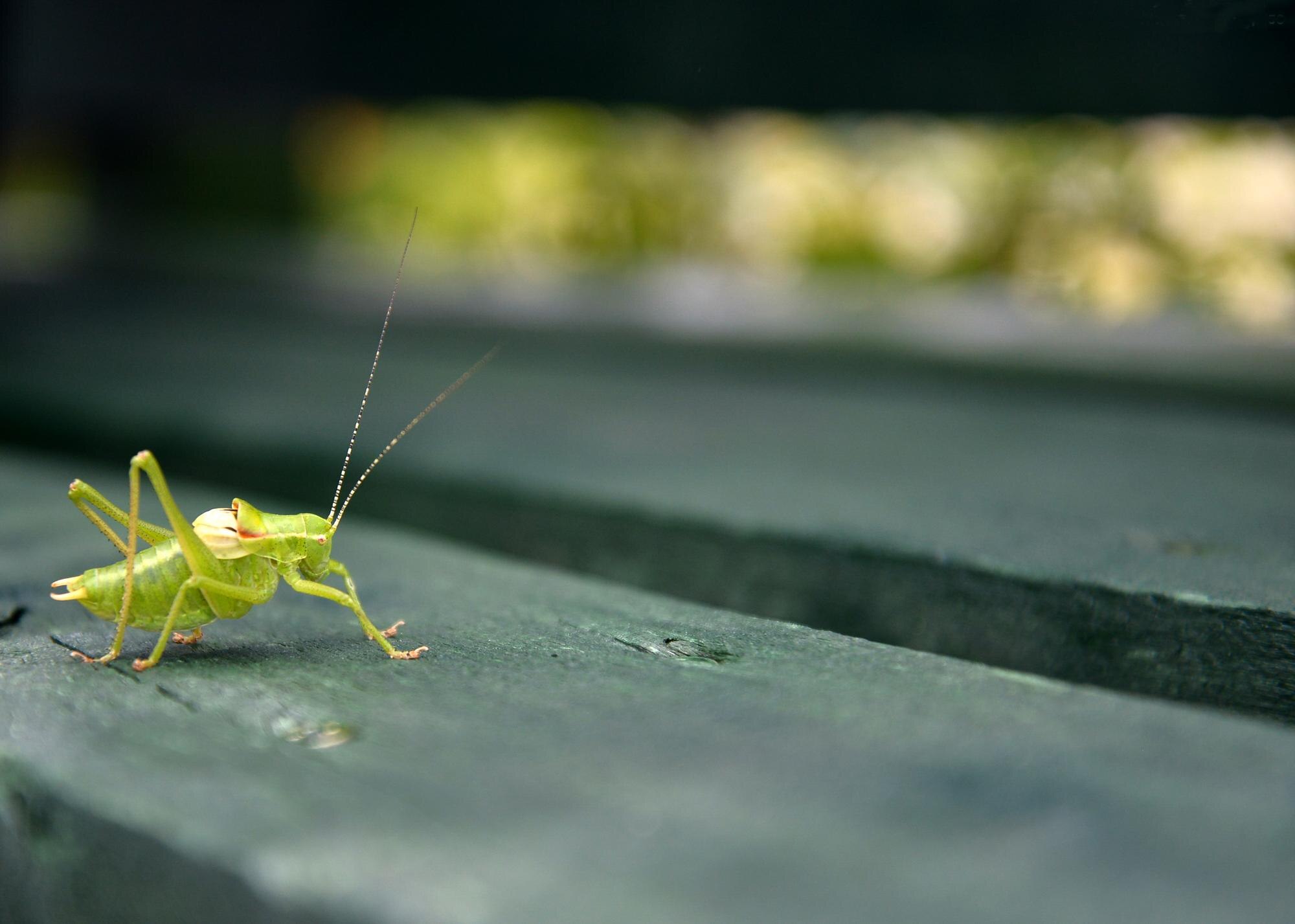
Now that you understand the basics, let’s dive into some essential natural pest solutions.
These methods can transform your garden into a flourishing, pest-free paradise.
Companion planting is a powerful tool in your gardening arsenal.
By planting certain species together, you can naturally repel pests.
For example, marigolds can deter nematodes, while basil can ward off flies.
This technique not only protects your plants but can also enhance their growth.
Start by identifying which pests are common in your area.
Then, research which companion plants can help.
For instance, planting garlic with roses can help keep aphids away.
This method is not only effective but also adds diversity to your garden.
Want more ideas?
Visit this blog on organic pest control for inspiration.
DIY pest control remedies are both simple and effective.
A classic example is using a mixture of water and dish soap to spray on plants.
This solution suffocates small insects like aphids without harming your plants.
Another great remedy is using coffee grounds to deter slugs and snails.
You can also try making a garlic spray by blending garlic cloves with water.
This solution can repel many harmful insects.
The best part?
These remedies are non-toxic and safe for your garden.
With a bit of creativity, you can easily create solutions tailored to your specific needs.
Maintaining a pest-free garden is a year-round effort.
With the right strategies, you can protect your plants through every season.
Understanding the pests that emerge in each season is key.
In spring, focus on preventing aphids and caterpillars.
Use lightweight row covers to shield young plants.
As summer arrives, keep an eye out for beetles and consider using neem oil.
Fall brings its own challenges, like slugs and snails.
Scatter crushed eggshells around your garden beds to deter them.
As winter approaches, clean up debris to eliminate hiding spots for pests.
Year-round vigilance ensures your garden remains healthy and thriving.
Building a resilient garden takes planning, but it’s worth it.
Start by improving your soil health with compost and organic matter.
Healthy soil grows strong plants that can withstand pests.
Rotate your crops to prevent pest buildup.
This simple change can make a big difference.
Regularly inspect your plants for signs of pests.
Early detection allows for quick action.
Engage with other garden enthusiasts for tips and support.
Join this online gardening community to share experiences and advice.
The longer you wait to adopt these practices, the more challenging it becomes to control pests.
With the right knowledge and tools, you can maintain a vibrant, pest-free garden all year long.
Embrace these eco-friendly practices and enjoy the rewarding experience of sustainable gardening.

Natural pest control in 2026 protects family health, improves indoor air quality, and reduces chemical exposure using safe, affordable methods like bo...
Adopt eco-friendly yard tips: remove standing water, use pest-repellent mulch, plant natives, encourage beneficial insects, practice companion plantin...

Natural, pet-safe pest control methods for renters include diatomaceous earth, essential oils, sticky traps, and DIY sprays. Use removable door sweeps...
Guide for new homeowners to prevent pests naturally: inspect and seal entry points, use kitchen items like peppermint oil, vinegar, and diatomaceous e...
