
Seasonal pest patterns can turn your peaceful home and garden upside down before you even notice.
You’ve tried sprays and traps, but those harsh chemicals never feel right for your family or plants.
Let’s explore natural pest control methods that fit your lifestyle—simple, safe, and effective ways to protect your space all year round.
Stick with me, and you’ll learn how to spot seasonal pests early and keep them out without harmful chemicals.
For more tips, check out this resource.
Navigating the world of pests can feel daunting, but knowing what to expect helps you stay one step ahead.
You’ll find that pests change with the seasons, each bringing its own set of challenges.
Understanding seasonal patterns is the first step in protecting your home and garden.
Each season brings specific pests that can disrupt your peace.
In spring, ants might invade as they search for food.
Summer often brings mosquitoes, making outdoor activities uncomfortable.
As fall approaches, rodents seek shelter indoors, and winter can see spiders and cockroaches finding warmth in your home.
Recognizing these patterns helps you prepare in advance.
Consider this: Many people wait until the last minute to deal with pests.
But if you know what’s coming, you can act before they become a problem.
For instance, using natural deterrents like peppermint oil can keep ants at bay in spring.
You won’t need to rely on harsh sprays if you start early.
Spotting signs of infestation early can save you both time and headache.
Look for droppings, unusual sounds, or nests.
Ants leave trails, rodents might gnaw at food packaging, and cockroaches are often spotted at night.
Another sign is damaged plants in your garden.
Most people assume pests are only visible when it’s too late.
But by being vigilant, you can catch them early.
Check your home regularly, especially in corners and dark spaces.
Keeping an eye on your garden can prevent pests from turning your plants into a buffet.
You’ve learned about the patterns; now, let’s talk solutions.
Chemical sprays and traps might promise quick fixes, but they come with risks.
Instead, natural methods offer safe, eco-friendly ways to manage pests effectively in your home and garden.
Natural solutions are kinder to the earth and safer for your family.
Essential oils like eucalyptus and tea tree can deter bugs.
Diatomaceous earth is a natural powder that can eliminate crawling insects without chemicals.
Consider using these in areas where pests are often seen.
Did you know that 80% of homeowners who use natural pest solutions report fewer pest problems over time?
The key is consistency.
Apply these solutions regularly to maintain a pest-free environment.
It’s not just about removal—prevention plays a big role here.
Do-it-yourself methods can be simple and effective.
Start by sealing cracks and gaps in your home’s exterior to prevent entry.
Keep food sealed and store garbage properly.
In the garden, plant herbs like basil and mint, which naturally repel insects.
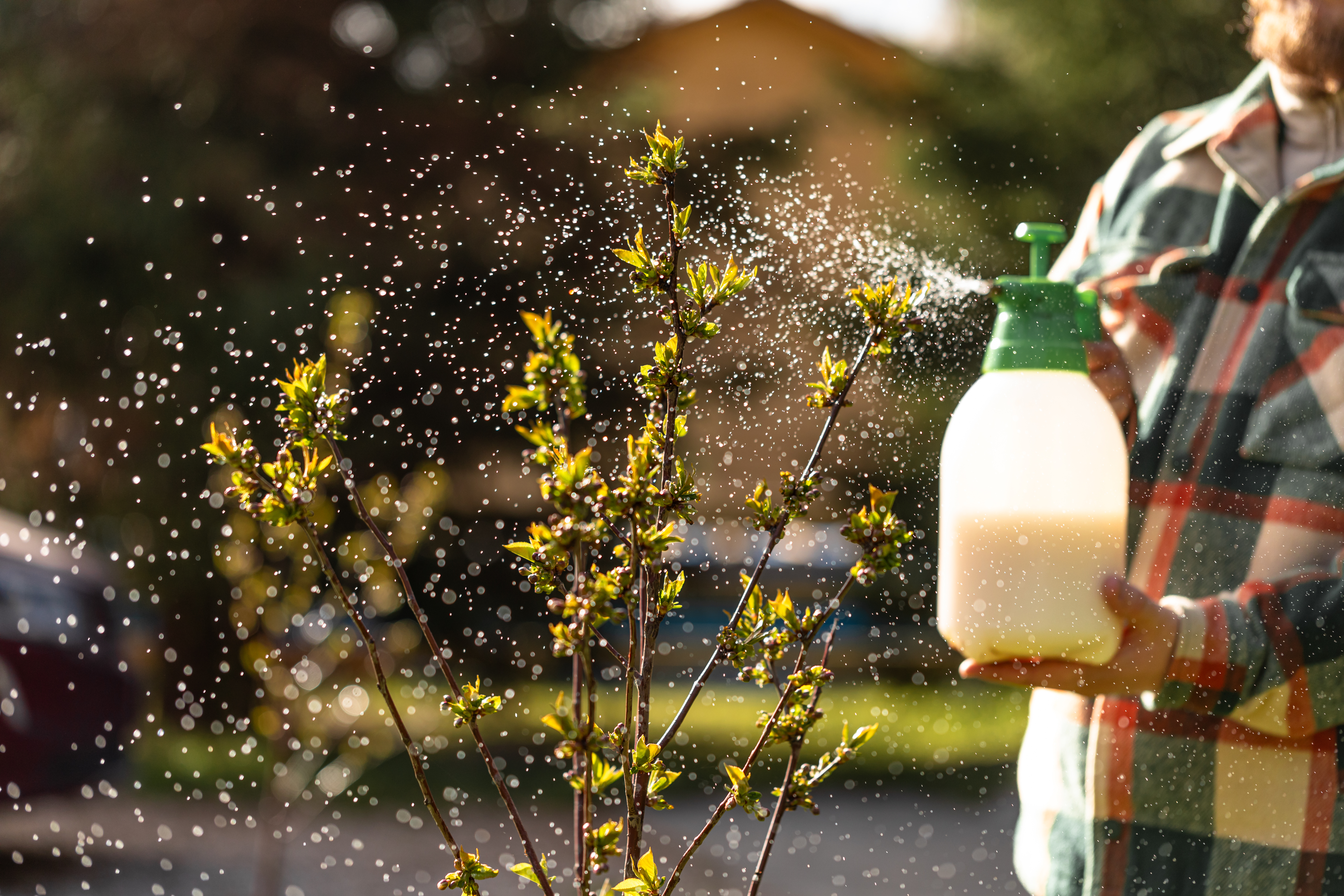
Here’s a fun fact: Using a DIY mix of vinegar and water can clean surfaces and deter pests.
Just spray in areas where pests frequent.
This not only cleans but creates an environment pests dislike.
Remember, it’s not just about what you use, but how often you use it.
Natural methods can transform your space into a pest-free sanctuary.
With knowledge and the right tools, you can protect your home and garden from unwelcome intruders without resorting to harmful chemicals.
Your home is your castle, and you can protect it with natural means.
Regular cleaning and decluttering can reduce pest-friendly spaces.
Use natural deterrents like cedar chips in closets and entryways.
Maintain good ventilation to prevent moisture buildup, which attracts pests.
Most people think they need professionals to handle pests, but many solutions are at your fingertips.
Regularly inspect your home, and make natural methods a habit.
Over time, you’ll find that a little effort goes a long way in keeping your home safe.
Gardens are vulnerable to pests, but they don’t have to be.
Using companion planting, where certain plants protect others, can reduce pest presence.
For instance, marigolds deter nematodes and other garden pests.
Regularly check for signs of pests and remove affected leaves or plants promptly.
A garden thrives with attention and care.
By integrating these natural methods, you ensure your plants grow healthy and strong.
Plus, you’ll spend less time dealing with infestations and more time enjoying your vibrant, thriving garden.
By understanding seasonal pest patterns and adopting natural methods, you create a safe, eco-friendly environment for your home and garden.
Remember, prevention is key.
With these insights, you’re equipped to handle pests naturally and effectively.

Natural pest control in 2026 protects family health, improves indoor air quality, and reduces chemical exposure using safe, affordable methods like bo...
Adopt eco-friendly yard tips: remove standing water, use pest-repellent mulch, plant natives, encourage beneficial insects, practice companion plantin...

Natural, pet-safe pest control methods for renters include diatomaceous earth, essential oils, sticky traps, and DIY sprays. Use removable door sweeps...
Guide for new homeowners to prevent pests naturally: inspect and seal entry points, use kitchen items like peppermint oil, vinegar, and diatomaceous e...
