
Pests often slip into homes through tiny cracks and gaps you might never notice.
Ignoring these pest entry points leaves your space vulnerable to unwelcome visitors.
In this guide, you’ll learn simple, natural pest control methods that help you seal those openings without harsh chemicals.
Ready to protect your home with eco-friendly pest solutions?
Let’s get started.
For more on keeping your home pest-free, check out this guide.
In order to protect your sanctuary, you need to know where pests sneak in.
This section will guide you to find the usual spots and recognize their presence.
The little critters often enter through gaps you might overlook.
Doors and windows are common culprits.
Check if your doors have proper seals and if window screens are intact.
Another sneaky spot is the foundation.
Inspect for cracks that might have formed over time.
Even a tiny gap can be an invitation.
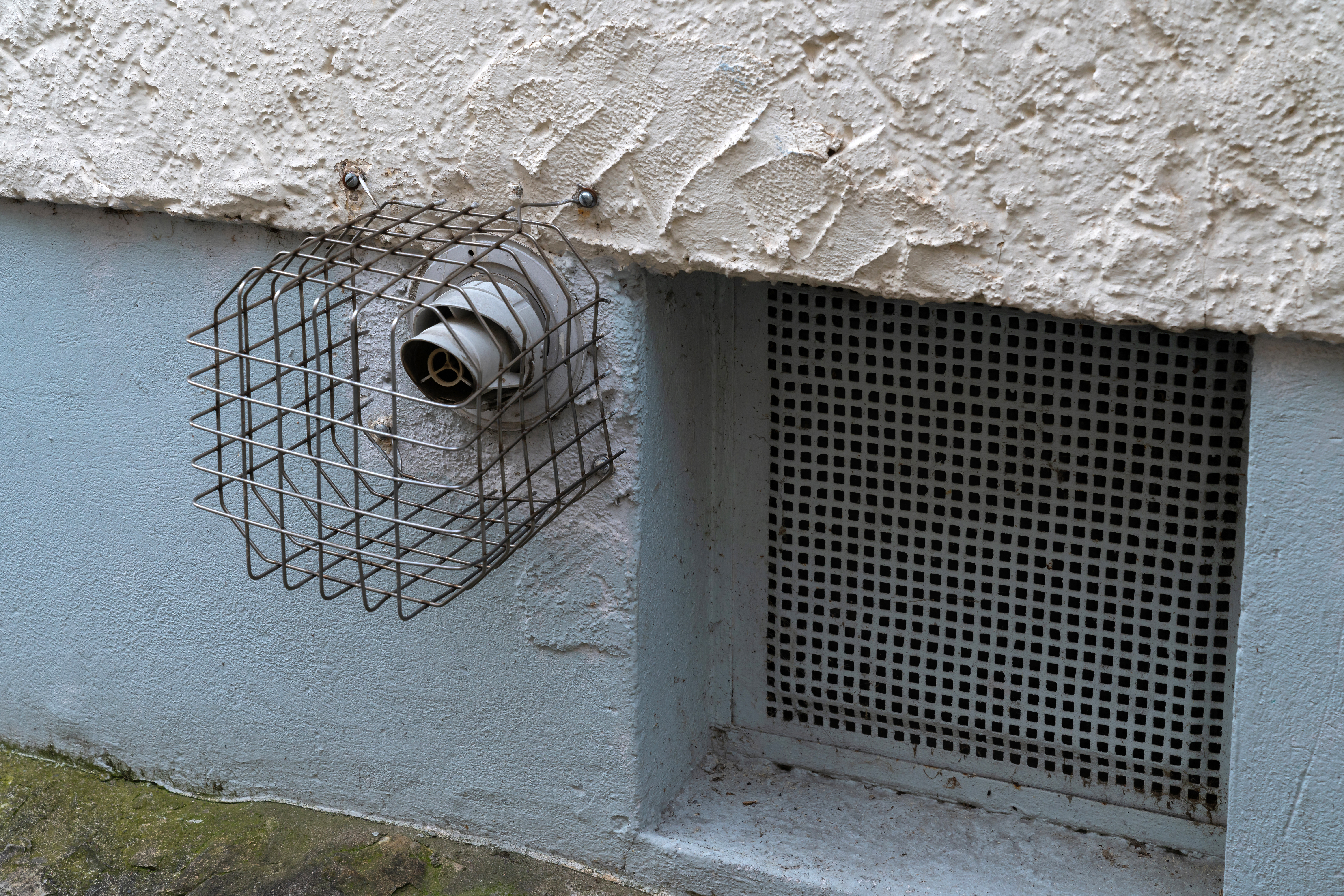
Vents and pipes are also routes bugs use.
Ensure these are tightly sealed.
A simple check around these areas can save you from future troubles.
By focusing on these entry points, you can start securing your home.
Remember, prevention is the first step in natural pest control.
Take a closer look and you’ll prevent infestations before they start.
Detecting signs of pests is key to stopping them early.
Look for droppings, which are often the first sign of a problem.
Mouse droppings look like black grains of rice.
If you see them, act quickly.
Gnaw marks are another clue, especially around food packaging.
Unusual sounds, such as scurrying or scratching in walls, often mean rodents.
Smells can also be indicators.
A musty odor could point to a roach infestation.
Addressing these signs promptly helps in keeping your home safe.
Being observant is half the battle won.
Here’s the key insight: your senses are powerful tools in spotting pest activity.
Use them to your advantage and take action before pests settle in.
Once you know where pests get in, it’s time to block their paths.
This section will show you how to seal those entry points using natural materials and simple techniques.
You don’t need harsh chemicals to keep pests out.
Natural materials work wonders. Caulk is great for sealing small cracks.
Choose a non-toxic version to keep your space safe. Steel wool can block larger gaps, especially around pipes.
Pests find it hard to chew through. Weatherstripping around doors and windows can close gaps and save energy too.
These materials are easy to find and affordable.
They offer a safe way to secure your home.
The longer you wait to seal these entry points, the more welcoming your home becomes to pests.
So, gear up and start sealing today with eco-friendly options.
You don’t have to be a pro to seal up your home.
Start by inspecting all potential entry points.
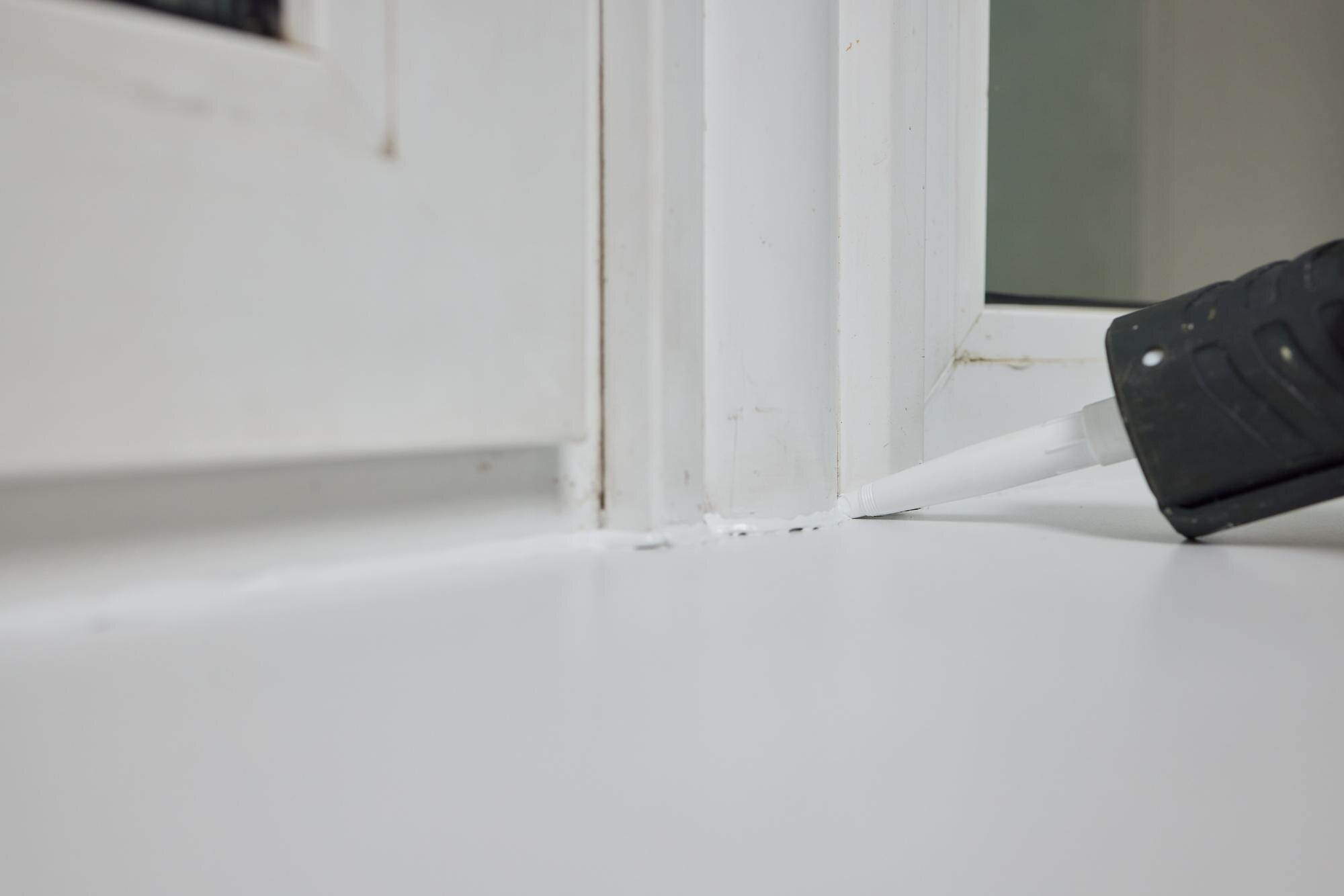
Use caulk to fill in cracks.
Apply it evenly and let it dry completely.
For gaps around pipes, stuff steel wool in them.
It’s a simple trick that works well.
Add weatherstripping to doors and windows where you feel drafts.
This not only keeps pests out but also makes your home more energy-efficient.
By following these easy steps, you can make a big difference.
Most people think they need expensive solutions, but these DIY techniques prove that’s not the case.
Secure your home naturally and enjoy peace of mind.
Sealing is just the start.
To keep pests at bay, you need a routine.
This section covers how to maintain a pest-free home long-term with natural methods.
Routine checks can stop pests before they become a problem.
Regularly inspect your home for new cracks or openings.
Keep your kitchen tidy and food sealed to avoid attracting pests.
Fix leaks promptly; pests love moisture.
Ensure your yard is clean and free of debris.
Trim plants and trees away from your home to eliminate bridges for pests.
These small maintenance tasks create a big barrier against pests.
They are simple yet effective ways to ensure your home remains safe.
Here’s your call to action: make routine checks part of your monthly schedule.
It’s a small effort with huge benefits.
Nature provides its own pest control.
Use plants like mint and lavender, which naturally repel bugs.
Plant them around your home to create a barrier.
Essential oils are also effective.
Mix a few drops of peppermint oil with water and spray it around entry points.
It’s a non-toxic deterrent that smells great.
Another tip is using diatomaceous earth, a natural powder that can deter crawling insects.
Sprinkle it lightly around your home’s perimeter.
These natural methods not only protect your home but also enhance its beauty.
Empower yourself to use nature’s solutions and enjoy a pest-free environment.
By incorporating these practices, you ensure that your home stays welcoming to you, not the pests.
Through these steps, you’ve learned how to identify and seal pest entry points naturally.
With ongoing prevention, your home remains a safe haven.
Remember, a little effort now pays off in a pest-free future.
Keep exploring and adapting these eco-friendly pest solutions to suit your home’s needs.
Natural pest control in 2026 protects family health, improves indoor air quality, and reduces chemical exposure using safe, affordable methods like bo...
Adopt eco-friendly yard tips: remove standing water, use pest-repellent mulch, plant natives, encourage beneficial insects, practice companion plantin...

Natural, pet-safe pest control methods for renters include diatomaceous earth, essential oils, sticky traps, and DIY sprays. Use removable door sweeps...

Guide for new homeowners to prevent pests naturally: inspect and seal entry points, use kitchen items like peppermint oil, vinegar, and diatomaceous e...
