
Pests don’t wait for the perfect moment—they show up year-round, making your home feel less like a sanctuary.
You want eco-friendly pest control that actually works without harsh chemicals or big costs.
This guide lays out natural pest prevention tricks tailored to every season, so you can keep your space safe and pest-free all year.
Ready to try simple, DIY pest solutions that put you in control?
Check out this resource for more insights on eco-friendly methods: https://www.westcoastseeds.com/blogs/wcs-academy/top-10-eco-friendly-diy-garden-hacks-natural-fertilizers-and-pest-control?srsltid=AfmBOoorQ5LEKa4k4-5v2A9tWDrJjfo1D_3pijLFX0AcB_aXG0W7YyaO.
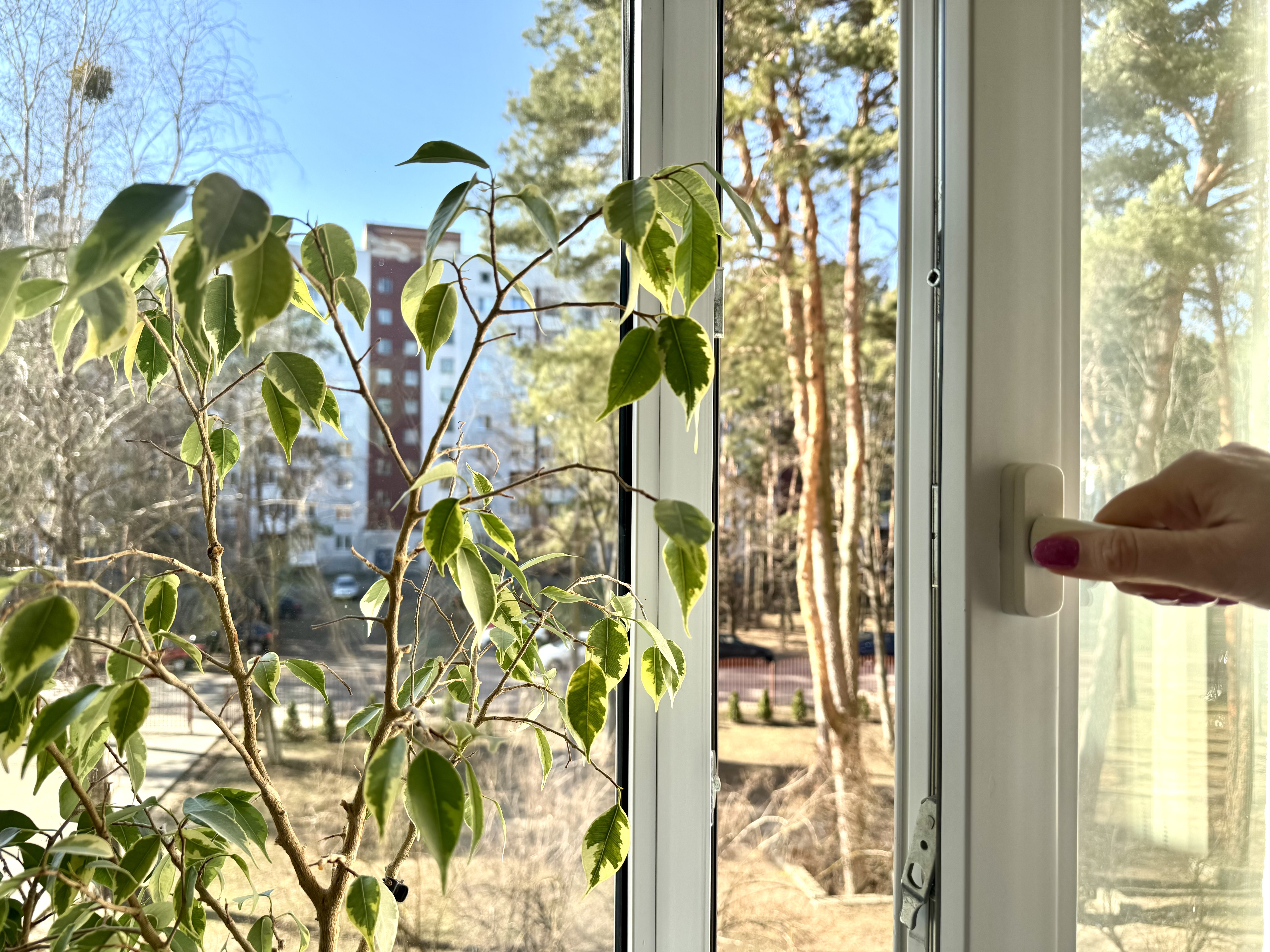
As the world wakes from winter, so do pests.
This season is crucial for setting up defenses that blend naturally into your landscape.
Let’s start with your garden.
Your garden can be both beautiful and functional.
Imagine using plants themselves to defend against pests.
Certain flowers and herbs not only add fragrance but also repel unwanted visitors.
Marigolds, for instance, are known for their ability to deter nematodes and other insects.
Plant them around the edges of your vegetable patch to create a natural barrier.
Lavender, with its soothing scent, keeps moths and fleas away.
Simply planting a row of lavender can add a pop of color while warding off pests.
To learn more about organic pest strategies, check out this article on organic ways to treat pests in a vegetable garden.
Inside your home, simple kitchen ingredients can work wonders.
Did you know that vinegar and baking soda are not just for cleaning?
They make excellent ant deterrents as well.
Just mix equal parts of water and vinegar in a spray bottle, and spritz it along windowsills and doorways.
For a fragrant approach, consider essential oils like peppermint.
A few drops on a cotton ball can repel spiders and mice.
This method not only smells delightful but is a safe alternative to chemical sprays.
Explore more DIY ideas in this post about organic pest prevention.
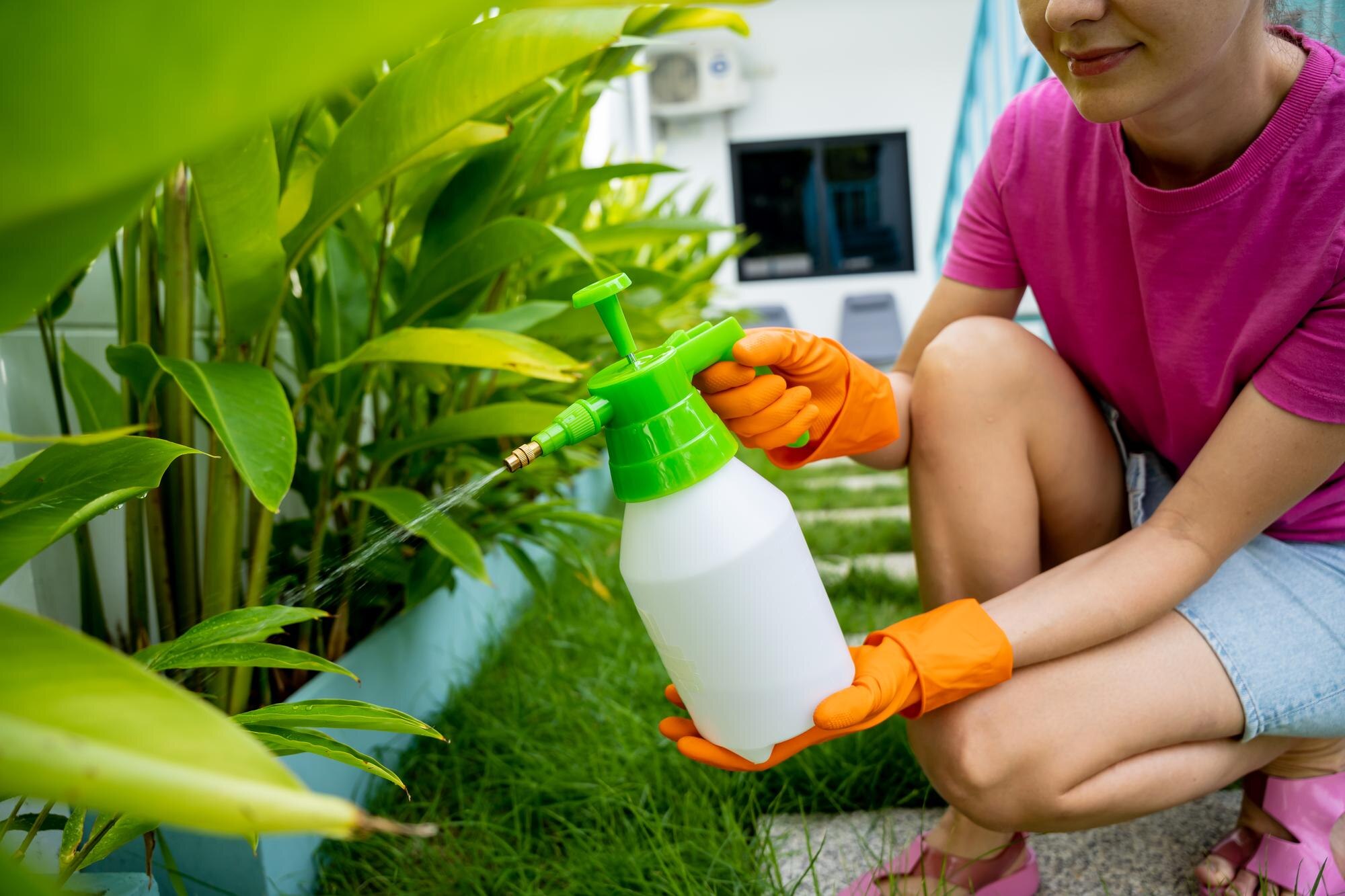
With the heat comes a new wave of pests, eager to invade your space.
In summer, focus on keeping insects at bay while enjoying your garden.
Picture enjoying a barbecue without the constant buzz of mosquitoes.
Non-toxic repellents like citronella candles or sprays made from essential oils can maintain your outdoor enjoyment without harsh chemicals.
For a homemade solution, mix ten drops of eucalyptus oil with two tablespoons of coconut oil.
Apply to your skin to keep bugs at bay.
Geranium and lemongrass oils also work well.
They not only repel mosquitoes but also add a pleasant aroma to your outdoor area.
For more ideas, join the conversation with Austin Organic Gardeners.
Summer is a time of abundance, but it can also bring garden pests.
Keep your plants safe with companion planting.
Basil, when planted near tomatoes, can deter aphids and enhance growth.
Similarly, garlic wards off a variety of insects.
Imagine biting into a fresh tomato from your garden, free from pests, thanks to strategic planting.
If pests persist, consider a homemade soap spray.
Mix one tablespoon of dish soap with one quart of water.
Spray affected plants weekly to manage pests without harming your garden.

As temperatures drop, pests look for warmth and shelter.
Now is the time to focus on keeping them out.
Rodents are common guests seeking refuge from the cold.
Using natural deterrents, you can protect your home without traps or poison.
Peppermint oil is highly effective.
A few drops on cotton balls placed in corners can keep mice at bay.
Consider setting up ultrasonic pest repellents.
These devices emit high-frequency sounds that deter rodents without disturbing humans.
They’re a modern solution for a common problem.
Winter preparation is essential to prevent indoor invasions.
Seal cracks and gaps in doors and windows to keep pests out.
This simple step can significantly reduce entry points.
In addition, maintain cleanliness.
Regular vacuuming and removing clutter minimize hiding spots.
These actions deter pests from settling in during the colder months.
Curious about more methods?
Check out these eco-friendly pest control solutions.
As you implement these strategies, remember: every step you take towards natural pest control helps create a safer, more pleasant home environment.
Embrace the power of eco-friendly solutions and enjoy a pest-free sanctuary year-round.

Natural pest control in 2026 protects family health, improves indoor air quality, and reduces chemical exposure using safe, affordable methods like bo...
Adopt eco-friendly yard tips: remove standing water, use pest-repellent mulch, plant natives, encourage beneficial insects, practice companion plantin...

Natural, pet-safe pest control methods for renters include diatomaceous earth, essential oils, sticky traps, and DIY sprays. Use removable door sweeps...
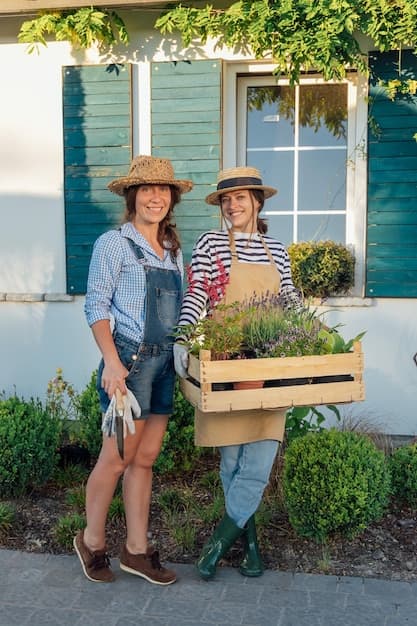
Guide for new homeowners to prevent pests naturally: inspect and seal entry points, use kitchen items like peppermint oil, vinegar, and diatomaceous e...
