
Forget what you think about pest control being costly or full of harsh chemicals.
You can create effective DIY pest deterrents right from your kitchen with ingredients you already have on hand.
This guide walks you through simple, natural pest control steps that protect your home and the environment without breaking the bank.
Ready to make homemade pest deterrents that really work?
Let’s get started.
For more tips, visit this guide.
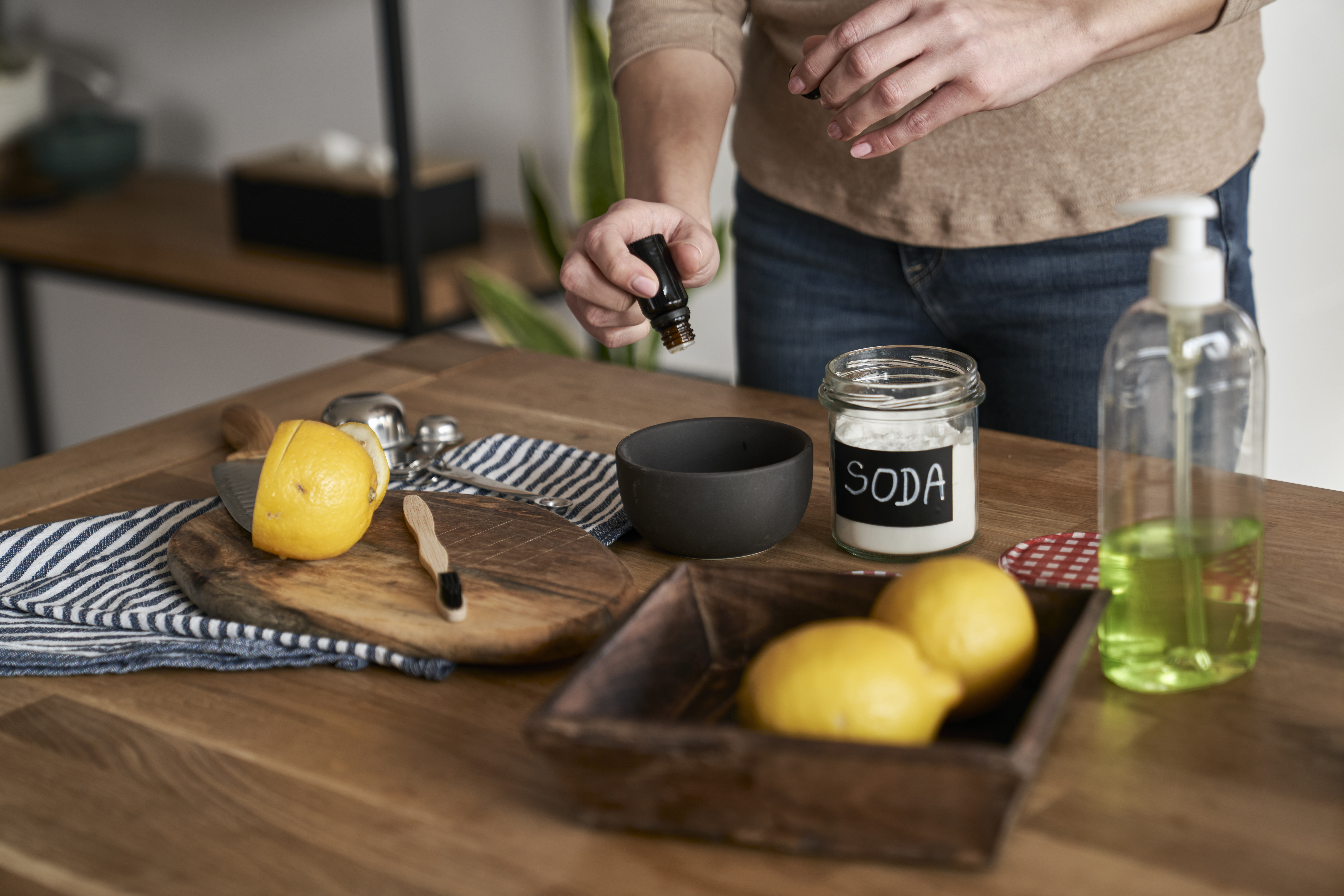
Let’s start with the basics: natural pest control isn’t just about saving money—it’s about using what you already have to keep your space safe.
Dive into your kitchen, and you’ll find powerful tools right at your fingertips.
Did you know that the same ingredients you use to spice up your meals can ward off unwanted guests?
For instance, garlic and pepper aren’t just flavor boosters; they’re potent pest deterrents.
Garlic has a strong scent that repels insects, while pepper can irritate pests, driving them away. Vinegar is another household staple with magical powers.
It’s not only handy for cleaning but also disrupts the scent trails insects follow.
These everyday items are more than meets the eye.
When combined, they create a force field against pests.
Imagine saving hundreds on pest control simply by raiding your pantry.
The best part?
These solutions are safer for your family and pets than chemical alternatives.
Understanding your enemy is crucial.
Ants, for example, rely heavily on scent trails to find food.
Interrupting these trails with vinegar can thwart their plans.
Cockroaches, on the other hand, are deterred by strong smells like garlic and peppermint.
Mice and rats hate the scent of peppermint oil, making it an excellent natural deterrent.
With just a few simple ingredients, you can target the specific weaknesses of these common pests and reclaim your home.
Most people think fighting pests requires harsh chemicals, but this is a powerful myth.
By knowing your pest’s weaknesses, you have the advantage.

Now that you know the power of kitchen ingredients, it’s time to put them to use.
Let’s explore some simple recipes that will keep your home pest-free.
Start with a powerful blend that pests can’t stand.
To make a garlic and pepper spray, you’ll need:
4 cloves of garlic – Mince them finely.
1 tablespoon of cayenne pepper – Adds an extra kick.
2 cups of water – The base for your spray.
Combine the garlic and cayenne pepper in a bowl, then add the water.
Let this mixture sit for about 24 hours to steep.
Strain the liquid into a spray bottle, and you’re ready to go.
Use this spray around doorways and windows where pests like to sneak in.
Applying this every few days will keep them at bay.
This spray is not just effective; it’s also safe for children and pets.
Say goodbye to the belief that you need toxic chemicals to fight pests.
This homemade solution is proof that natural remedies can be just as effective.
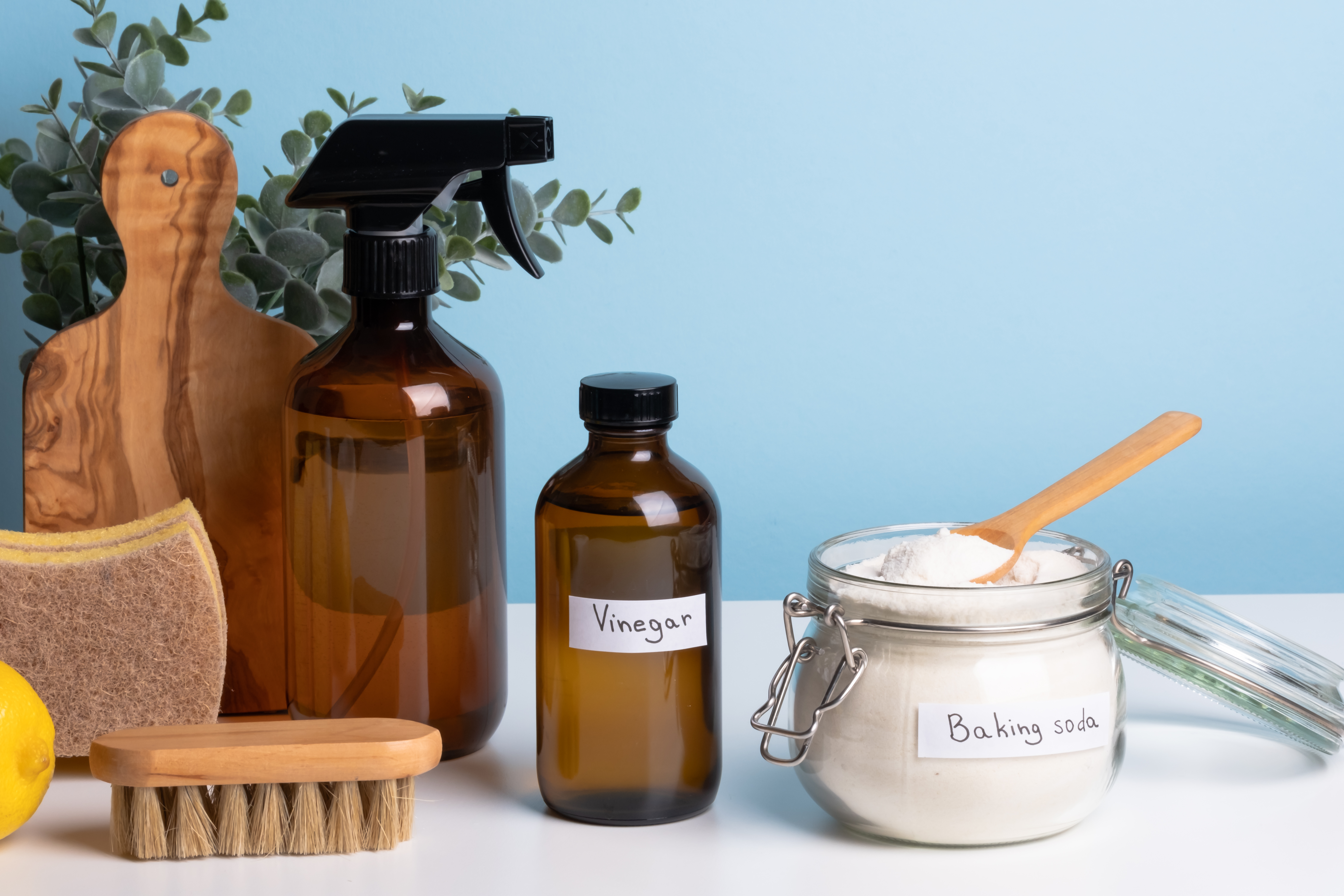
Vinegar is a versatile ingredient that can do wonders.
To make a simple vinegar-based solution, gather the following:
1 cup of vinegar – Distilled white vinegar works best.
1 cup of water – To dilute the vinegar.
A few drops of essential oil – Like peppermint or eucalyptus for added repelling power.
Mix these in a spray bottle and shake well.
This solution is perfect for wiping down surfaces where ants or other insects might crawl.
The vinegar disrupts their scent trails, while the essential oils add an extra layer of scent that pests avoid.
Most people don’t realize how something as simple as vinegar can be a game-changer in pest control.
It’s affordable, effective, and eco-friendly.
Using this solution regularly will help maintain a pest-free home.
You’ve got the recipes, but there’s more to pest control than just spraying.
Let’s explore some eco-friendly habits that can make a big difference.
The heart of your home should be a fortress against pests.
Start by ensuring your kitchen is clean and tidy.
Crumbs and spills are a feast for pests, so regular cleaning is crucial.
Store food in airtight containers, especially dry goods like flour and sugar.
This simple step can prevent pantry pests from taking over.
For more detailed steps on pantry pest prevention, check this guide.
Most people underestimate the power of cleanliness in pest prevention.
By maintaining a tidy kitchen, you’re denying pests a reason to invade.
It’s important to store your DIY solutions correctly.
Keep sprays in labeled bottles and out of reach of children.
When applying, ensure you focus on areas where pests are likely to enter, like doorways and windowsills.
While these solutions are natural, it’s always good practice to wash your hands after application and ensure no residue remains on surfaces where food is prepared.
Remember, the longer you wait to implement these techniques, the harder it will be to get rid of pests.
Taking action now ensures you stay ahead of the problem.
By incorporating these simple and effective strategies, you’re not just fighting pests; you’re doing it in a way that’s safe for your family and the planet.
Keep these tips in mind, and you’ll see the difference they make.
Natural pest control in 2026 protects family health, improves indoor air quality, and reduces chemical exposure using safe, affordable methods like bo...
Adopt eco-friendly yard tips: remove standing water, use pest-repellent mulch, plant natives, encourage beneficial insects, practice companion plantin...

Natural, pet-safe pest control methods for renters include diatomaceous earth, essential oils, sticky traps, and DIY sprays. Use removable door sweeps...
Guide for new homeowners to prevent pests naturally: inspect and seal entry points, use kitchen items like peppermint oil, vinegar, and diatomaceous e...
