
Most gardens fall prey to pests at some point, and reaching for chemicals often feels like the only option.
But what if your garden could defend itself naturally?
Creating a chemical-free garden that resists common pests is easier than you think—and it protects your plants and the environment.
Let’s explore how natural pest control and pest-resistant plants can keep your garden thriving without harmful sprays.
For more insights, check out this resource.
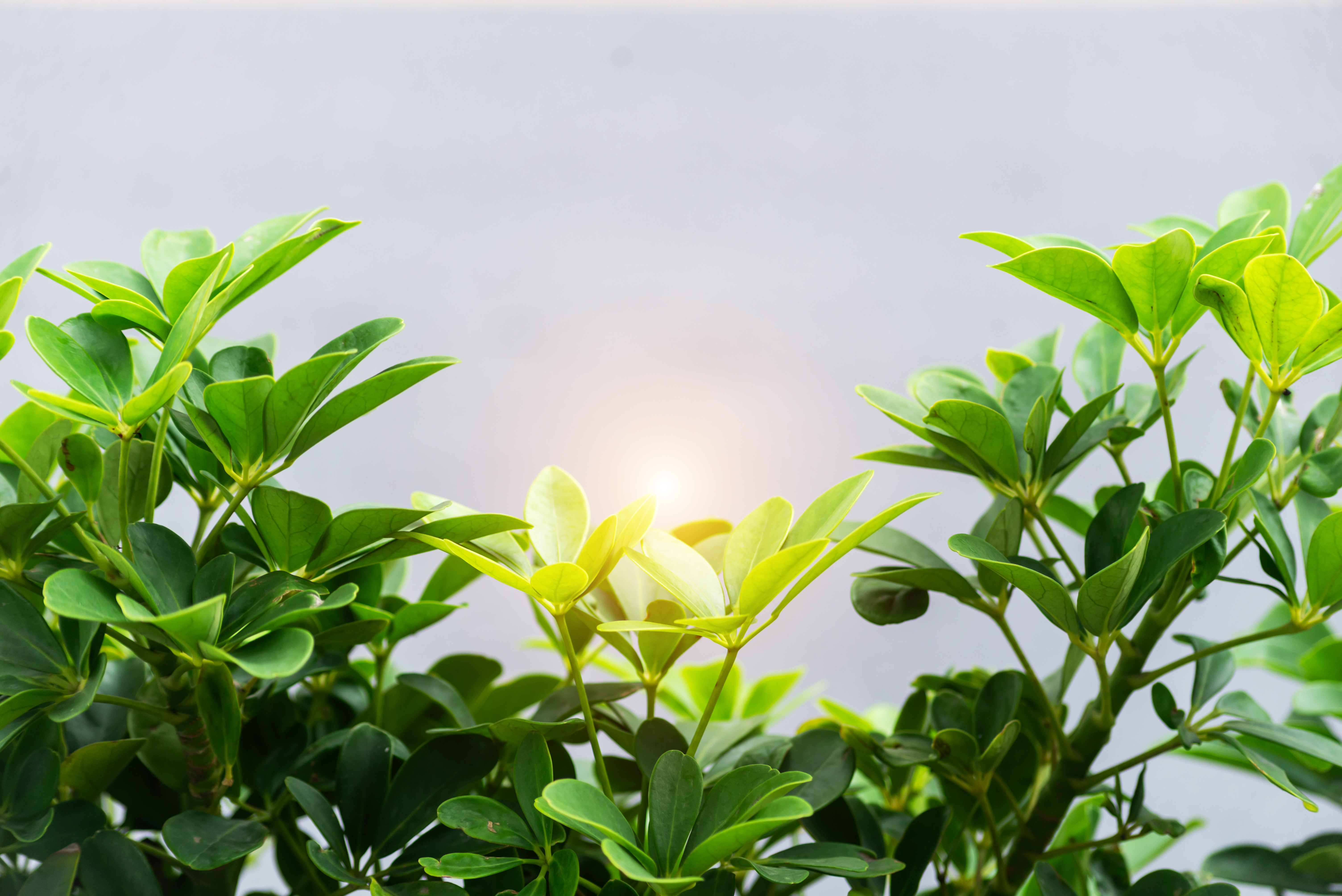
Starting with the right plants can set the foundation for a garden that naturally fends off pests.
Imagine a garden that does the work for you—no chemicals needed.
Some plants naturally repel insects, making them perfect allies in your garden. Marigolds are a popular choice, known for keeping nematodes at bay with their strong scent. Lavender, besides smelling great, deters mosquitoes and flies.
Planting basil near your tomatoes can prevent whiteflies from taking over.
These plants offer more than just pest control.
Marigolds add vibrant color, lavender brings a soothing aroma, and basil is a kitchen favorite.
By choosing these, you enjoy a beautiful and functional garden space.
Remember, the right plant choices can transform your garden into a pest-free zone.
Companion planting is a clever way to use nature’s balance to your advantage.
By grouping plants that support each other, you create a resilient garden community.
For example, tomatoes thrive when planted near basil, as basil repels pests that love tomatoes.
Another effective pair is carrots and onions.
Onions help deter carrot flies, while carrots can improve the growth of onions.
It’s a win-win strategy that not only keeps pests away but also promotes healthier plant growth.
These strategies make gardening simpler and more rewarding.
For more tips, visit this guide.
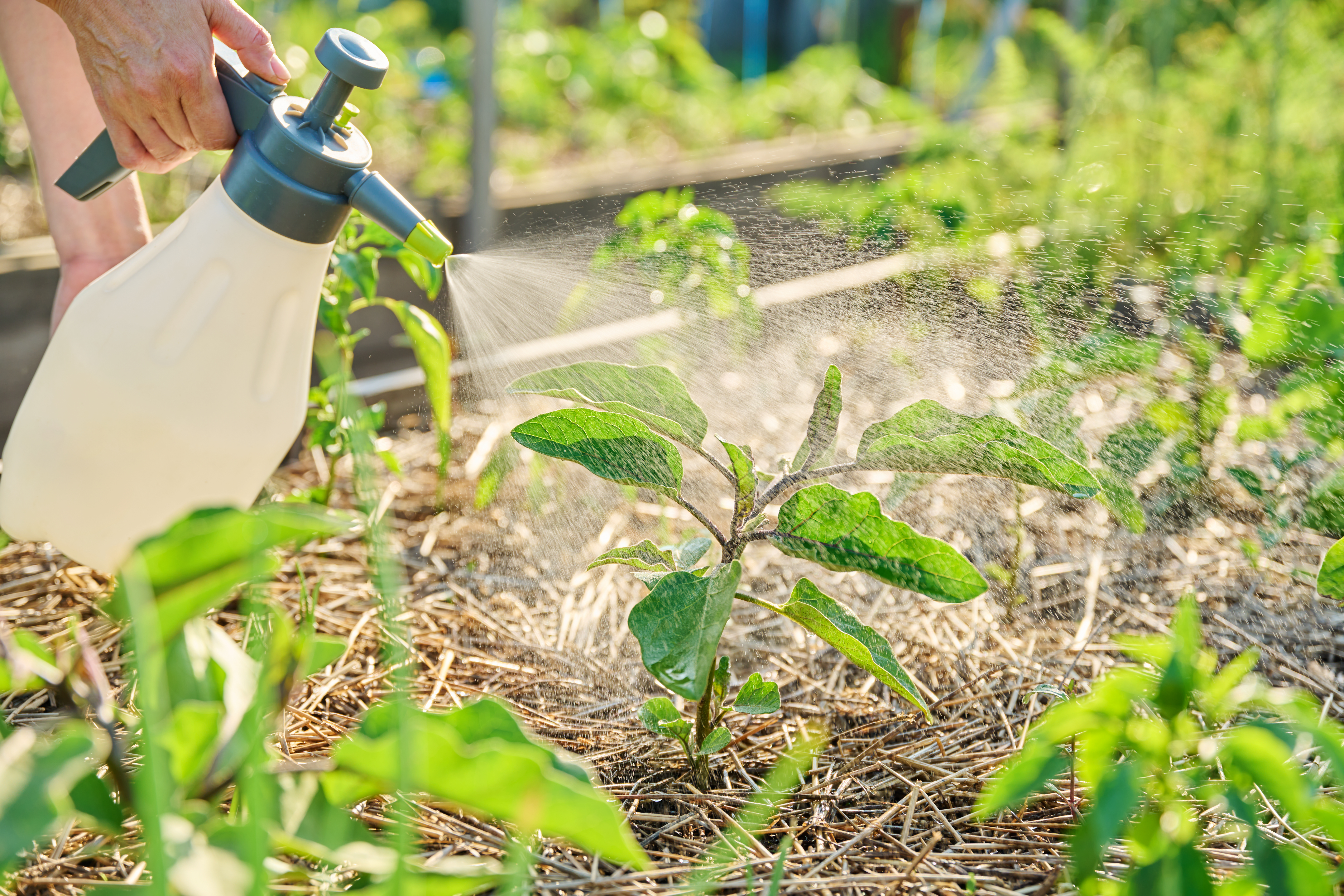
Even with the right plants, some pests might still find a way in.
But don’t worry, you can tackle them with natural solutions.
Creating your own pest repellents is easier than you think.
A simple garlic spray can ward off a variety of insects.
Mix crushed garlic cloves with water and a little dish soap, and you have a powerful solution.
For soft-bodied insects like aphids, a neem oil spray works wonders.
Dilute a few drops of neem oil in water and apply it to affected areas.
These methods are not only effective but also safe for your plants and the environment.
By using what you have at home, you save money and avoid harmful chemicals.
Discover more DIY solutions at this resource.
Not all insects are villains in the garden.
Some are superheroes in disguise. Ladybugs and lacewings love to feast on aphids and other pests.
Creating a habitat for these beneficial insects can naturally control pest populations.
Planting dill and fennel can attract these helpful bugs.
Providing a water source, like a shallow dish, encourages them to stay.
It’s like setting up a mini-ecosystem where everyone plays a part in keeping your garden healthy.
By understanding and utilizing beneficial insects, you create a dynamic, self-sustaining garden.
Join the conversation on natural pest control in our Facebook group.
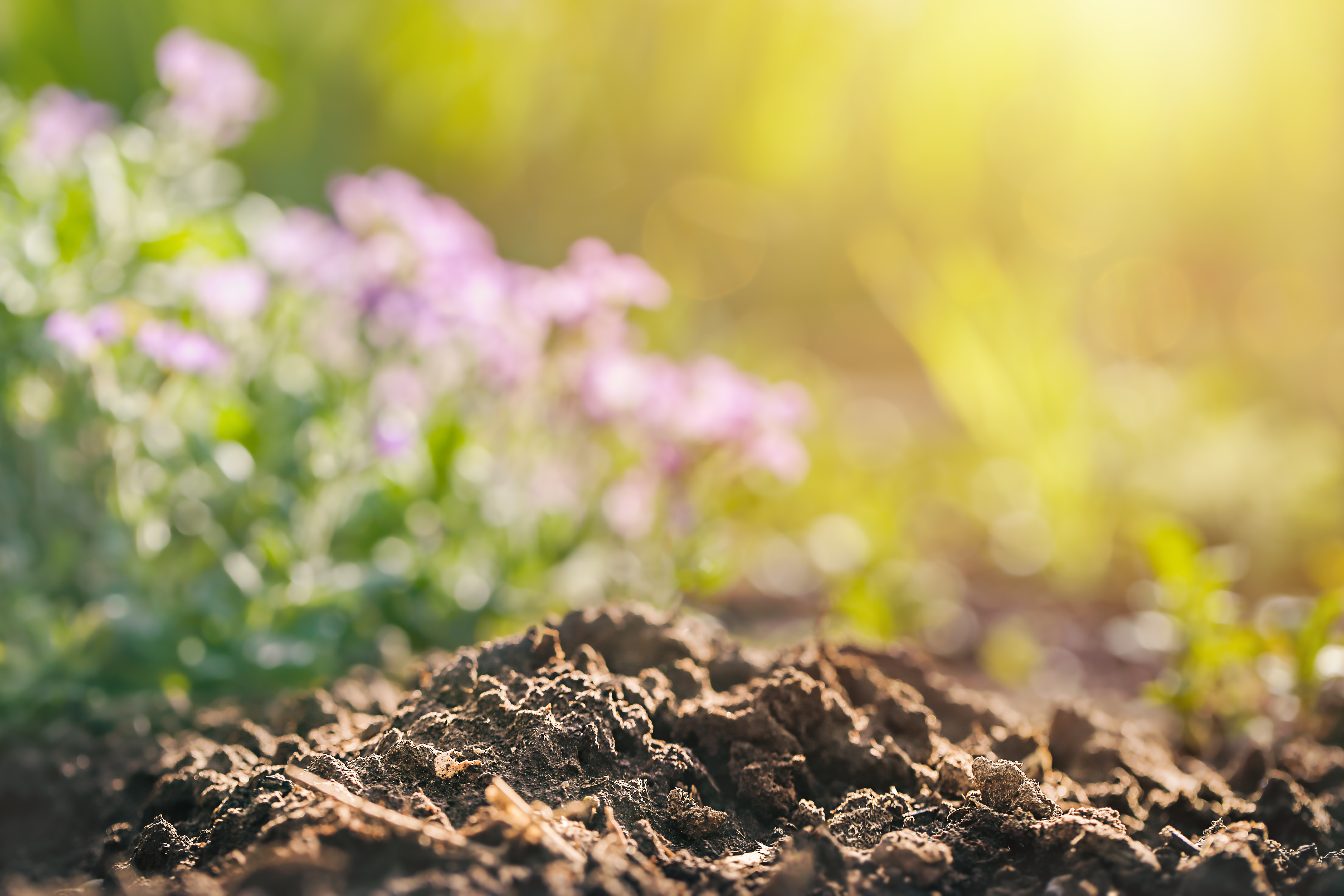
Healthy soil is the backbone of a thriving garden.
It supports plant growth and naturally deters pests by fostering strong, resilient plants.
Rich soil provides plants with essential nutrients, leading to robust growth.
This makes plants less susceptible to pest attacks.
Incorporating organic matter like compost enriches the soil, improving its structure and fertility.
Healthy soil also retains moisture more effectively, reducing the need for frequent watering.
This not only benefits your plants but also conserves water—a win for you and the environment.
By focusing on soil health, you lay the groundwork for a flourishing, pest-resistant garden.
For expert advice, check out eco-friendly gardening tips.
Composting is a fantastic way to recycle kitchen and garden waste into nutrient-rich soil.
It’s simple and sustainable.
Start with a mix of green materials like vegetable scraps and brown materials like dried leaves.
Turn the pile regularly to aerate it and speed up decomposition.
Over time, you’ll have dark, crumbly compost ready to enrich your garden soil.
This practice not only reduces waste but also supports a thriving garden ecosystem.
Embrace composting to enhance your garden’s health and sustainability.
The journey to a chemical-free garden is rewarding and within your reach.
By integrating these methods, you not only protect your plants but also contribute to a healthier planet.

Natural pest control in 2026 protects family health, improves indoor air quality, and reduces chemical exposure using safe, affordable methods like bo...
Adopt eco-friendly yard tips: remove standing water, use pest-repellent mulch, plant natives, encourage beneficial insects, practice companion plantin...

Natural, pet-safe pest control methods for renters include diatomaceous earth, essential oils, sticky traps, and DIY sprays. Use removable door sweeps...
Guide for new homeowners to prevent pests naturally: inspect and seal entry points, use kitchen items like peppermint oil, vinegar, and diatomaceous e...
