
Pests can turn your reptile’s habitat into a risky place fast.
Using harsh chemicals might solve the problem, but it puts your pet’s health on the line.
That’s why reptile pest control with non-toxic pest solutions is key to keeping your safe reptile habitat truly safe.
Let’s explore simple, natural pest prevention methods that protect your pets without compromise.
Check out this resource for more on creating the perfect habitat for your reptiles.

Using natural methods to keep your reptile home free of pests is both effective and safe.
Let’s look at why you should choose eco-friendly options and how they work.
Eco-friendly methods protect your reptiles and the environment.
Using non-toxic solutions means your pets won’t face harmful chemicals.
This approach also supports a healthier ecosystem by reducing pollution.
Most people think chemicals are necessary, but natural alternatives are surprisingly effective.
Avoiding harsh chemicals means you don’t compromise your pet’s health, while still maintaining a pest-free environment.
Plus, natural methods are often cheaper, using ingredients you may already have at home.
Keeping your reptile’s habitat clean is the first step in pest control.
Simple habits, like removing uneaten food and cleaning water dishes, go a long way.
Pests thrive in dirty conditions, so regular cleaning can prevent infestations.
Also, ensure your reptile’s enclosure is secure to prevent unwanted visitors.
Check for gaps where pests could enter and seal them.
Using natural repellents can also help.
For example, planting pest-repelling herbs around your reptile’s area can be effective.
These basics set the foundation for a safe habitat.
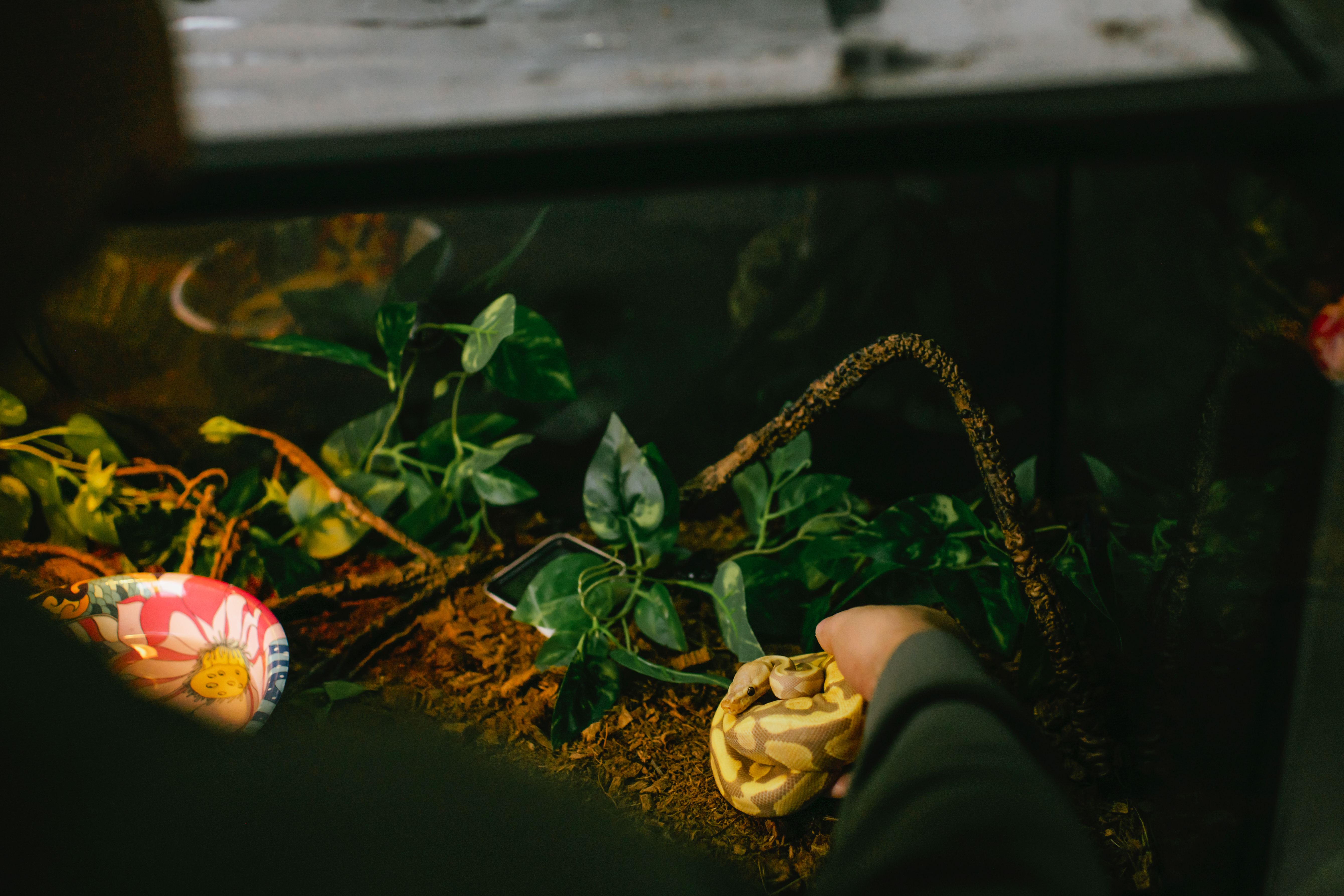
Now that you understand the importance of natural methods, let’s explore specific ways to keep pests away from your reptiles using non-toxic solutions.
Creating a safe habitat involves more than just cleaning.
Temperature and humidity control are crucial.
Pests are attracted to certain conditions, so maintaining the proper climate can deter them.
Use a thermometer and hygrometer to monitor these levels.
Ensure your reptile’s living area mimics their natural habitat as closely as possible.
This not only keeps your pet comfortable but also less attractive to pests that thrive in different conditions.
Regularly inspect your reptile for signs of pests, like mites.
Early detection makes treatment easier and less stressful for your pet.
You can make effective pest repellent with items from your kitchen.
A simple vinegar spray can deter many pests.
Mix equal parts water and vinegar in a spray bottle and apply it to the problem areas.
For a more targeted approach, use essential oils like peppermint or eucalyptus, which are known to repel insects.
Add a few drops to water and spray around your reptile’s enclosure.
Remember, always research to ensure any DIY solution is safe for your pet.
Testing a small area first is wise to avoid any adverse reactions.

Involving the community and using available resources can strengthen your pest control efforts.
Let’s discuss how to connect and expand your eco-friendly practices.
Join online groups where fellow reptile owners share tips and experiences.
These communities provide valuable insights and support.
For instance, the Gardening Hints and Tips Facebook group is a great place to start.
They discuss various pest control strategies, and you might discover new ideas that work well for you.
Additionally, consult resources like NRCS’s guide on habitat management for expert advice tailored to reptile habitats.
By tapping into these networks, you can stay updated on the best practices and emerging solutions.
Stay informed and empowered with our regular updates.
Our newsletter offers tips, guides, and stories from other reptile enthusiasts.
You’ll gain insights into maintaining a pest-free, safe reptile habitat.
The longer you wait, the more vulnerable your pet might be to pests.
Sign up now to ensure your reptile’s safety and comfort.
Remember, peace of mind is just an email away!
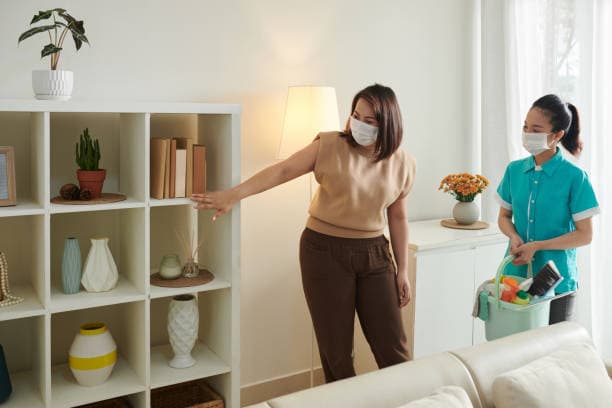
Natural pest control in 2026 protects family health, improves indoor air quality, and reduces chemical exposure using safe, affordable methods like bo...
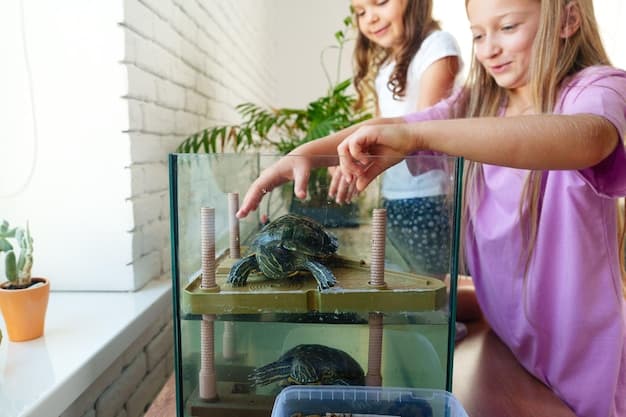
Adopt eco-friendly yard tips: remove standing water, use pest-repellent mulch, plant natives, encourage beneficial insects, practice companion plantin...

Natural, pet-safe pest control methods for renters include diatomaceous earth, essential oils, sticky traps, and DIY sprays. Use removable door sweeps...

Guide for new homeowners to prevent pests naturally: inspect and seal entry points, use kitchen items like peppermint oil, vinegar, and diatomaceous e...
