
Pests can turn your garden into a battleground, leaving your plants stressed and struggling.
You don’t have to rely on harsh chemicals to keep them at bay.
By using simple eco-friendly pest control methods like companion planting and natural pest repellent sprays, you can build a pest-resistant garden that stays healthy and vibrant.
Let’s explore easy steps that make garden pest prevention natural and effective—so your plants thrive without harm.
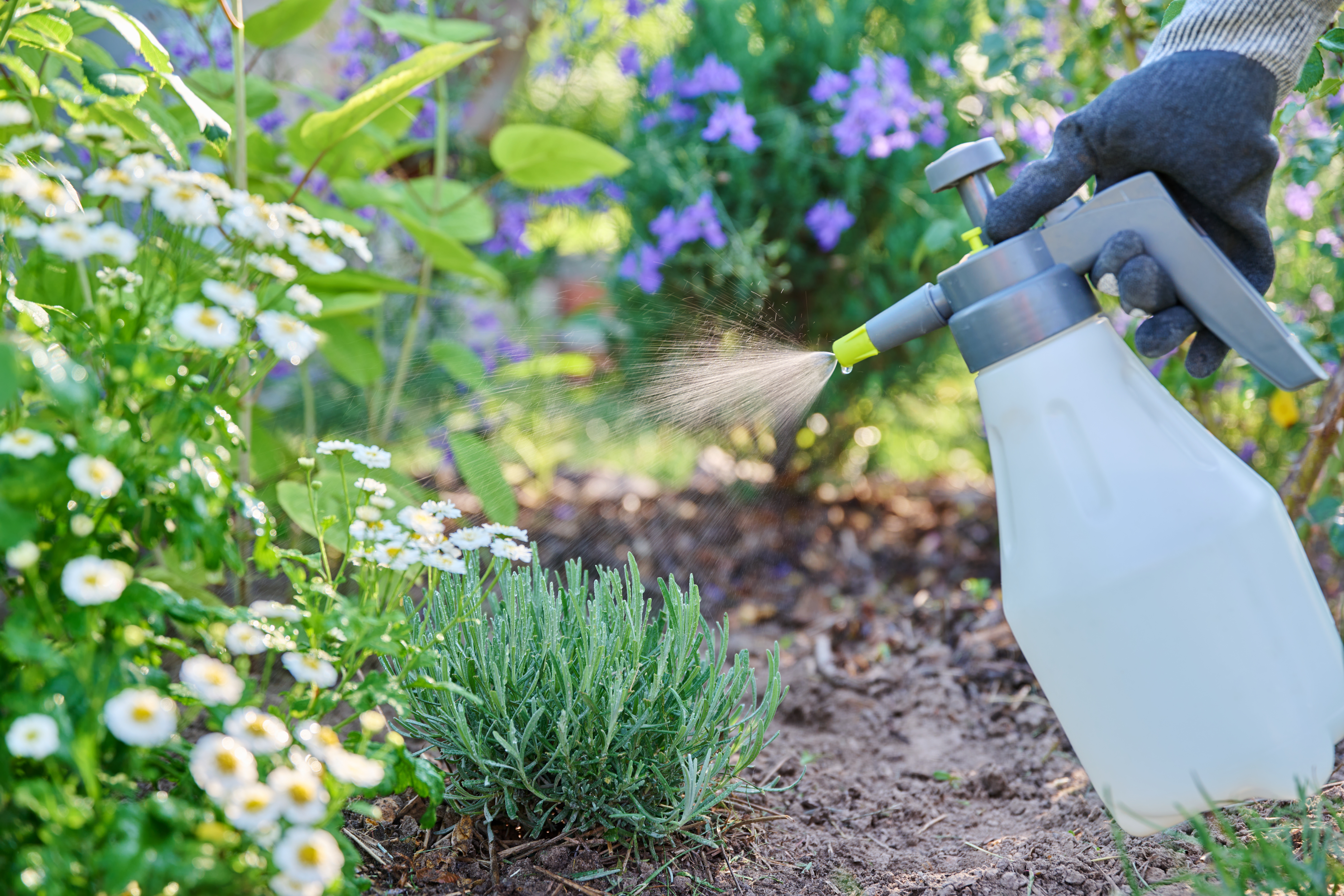
Embarking on a journey to create a pest-resistant garden involves understanding the fundamentals of eco-friendly pest control.
Let’s dive into the essentials you need to know.
A pest-resistant garden doesn’t rely on synthetic chemicals.
Instead, it thrives on natural defenses.
By choosing plants wisely, you create a garden that fends off pests itself.
Isn’t that a relief?
For instance, marigolds can ward off nematodes, while lavender deters moths.
Such plants not only beautify your garden but also build natural barriers against invaders.
With time, you’ll notice fewer pests and healthier plants.
Why go natural?
Simple.
Natural pest repellents are safer for you and the environment.
They protect beneficial insects like bees and butterflies that play a critical role in pollination.
Plus, using natural solutions means fewer chemicals seeping into the soil and water.
You get to enjoy a thriving ecosystem right in your backyard.
Ready to keep pests at bay?
Here’s how:
Proper Watering: Overwatering can attract pests.
Aim for moist, not soggy soil.
Regular Weeding: Weeds harbor pests.
Keep your garden tidy to prevent infestations.
Healthy Soil: Enriched soil strengthens plants.
Use compost to boost nutrients.
These simple steps lay a strong foundation for a pest-free garden.
Once you grasp the basics, you’re ready to explore practical techniques.
These methods offer effective ways to maintain a garden free of unwelcome guests.
Ever heard of planting buddies?
Companion planting pairs plants that benefit each other.
Basil with tomatoes, for example, can deter flies.
This strategy not only manages pests but also enhances growth.
Imagine a garden where plants work together, like a friendly community.
It’s simple, effective, and rewarding.
You can whip up pest repellents right from your kitchen.
Consider a garlic and chili spray.
Blend garlic cloves with hot chili, strain, and mix with water.
Spray this mixture on affected plants.
This natural concoction is tough on pests but gentle on plants.
It’s an easy solution that you can use right away.
Natural repellents are powerful when used correctly.
Essential oils like peppermint and neem are great for keeping pests off.
Dilute them with water and apply them to your plants.
Consistency is key here.
Regularly applying these sprays strengthens your garden’s defenses over time.
With your newfound knowledge, you’re on your way to a flourishing garden.
But the journey doesn’t end here.
Let’s keep the momentum going.
Every garden has a story.
Share yours!
Whether it’s a photo of your blooming flowers or a tip you discovered, let others know.
Your experiences inspire fellow gardeners and create a community of like-minded individuals.
Need a bit more guidance?
Don’t hesitate to seek expert advice.
Experts can provide personalized solutions tailored to your garden’s needs.
Remember, every garden is unique, and sometimes a little nudge in the right direction makes all the difference.
Spread the word about eco-friendly gardening.
Encourage friends and family to adopt these practices.
The more people involved, the healthier our planet becomes.
It’s a collective effort, and every action counts.
By now, you have a robust understanding of how to create and maintain a pest-resistant garden.
With these eco-friendly techniques, your garden will not only be pest-free but also a thriving part of nature’s ecosystem.
Keep nurturing it, and watch it flourish season after season.

Natural pest control in 2026 protects family health, improves indoor air quality, and reduces chemical exposure using safe, affordable methods like bo...
Adopt eco-friendly yard tips: remove standing water, use pest-repellent mulch, plant natives, encourage beneficial insects, practice companion plantin...

Natural, pet-safe pest control methods for renters include diatomaceous earth, essential oils, sticky traps, and DIY sprays. Use removable door sweeps...
Guide for new homeowners to prevent pests naturally: inspect and seal entry points, use kitchen items like peppermint oil, vinegar, and diatomaceous e...
