
Pests don’t just show up by chance—they’re drawn indoors by food, water, and cozy hiding spots.
Knowing what attracts pests indoors helps you take simple steps to prevent them naturally.
In this post, you’ll learn how to spot and fix these common attractants using eco-friendly pest control methods that keep your home safe for family and pets.
Ready to protect your space with natural pest control?
Let’s get started. Learn more about natural pest control solutions.

Understanding what draws pests indoors is key to keeping them out.
Let’s explore the main reasons they find your home inviting and how you can change that.
Pests love easy access to food.
Keeping your kitchen clean and food sealed is crucial to avoiding infestations.
Store food in airtight containers to keep pests like ants and cockroaches at bay.
These containers prevent smells from escaping, which can attract unwanted guests.
Clean up crumbs and spills immediately, as even small amounts can be a feast for pests.
Regularly empty your trash, and use bins with tight-fitting lids to deter rodents and insects.
Leftover food shouldn’t sit out.
Instead, refrigerate it promptly.
This simple habit reduces the allure for pests and helps keep your home safe.
Remember, a tidy kitchen is a pest-free kitchen.
Moist environments are attractive to many pests seeking water.
Leaky pipes or standing water can quickly lead to problems.
Fix leaks promptly and dry up any standing water.
Check under sinks and around appliances like dishwashers and washing machines for hidden moisture.
Use a dehumidifier in damp areas like basements, as this helps to dry out the space and make it less appealing to pests.
Ventilate rooms prone to moisture buildup, such as bathrooms, by using exhaust fans.
This reduces humidity levels, making your home less inviting to pests that thrive in damp conditions.
Pests need a place to hide and enter your home.
Identifying and sealing these entry points can stop them in their tracks.
Inspect your home for cracks and gaps around windows, doors, and walls.
Seal these with caulk or weather stripping to prevent pests from sneaking in.
Pay attention to areas where utilities enter the home, as these are common entry points.
Keep clutter to a minimum.
Piles of newspapers or boxes create perfect hiding spots for pests.
By reducing clutter, you make it harder for pests to find a place to settle in your home.

With the attractants identified, let’s move on to natural prevention methods.
These eco-friendly approaches keep your home safe without harsh chemicals.
Going green with pest control is easier than you think.
Here’s how to start using natural solutions.
Use essential oils like peppermint or tea tree, which can deter pests with their strong scents.
Mix a few drops with water in a spray bottle, and apply it to entry points or areas where you’ve seen pests.
Planting herbs like mint or basil near doorways can also help keep pests at bay.
Consider natural repellents made from diatomaceous earth.
This powder is safe for humans and pets but deadly to insects.
Sprinkle it around baseboards or in corners where pests are likely to crawl.
Your kitchen holds the key to many natural pest repellents.
Let’s see which everyday items can help.
Vinegar is an excellent cleaning agent and pest deterrent.
Use it to wipe down counters, which not only cleans but also repels pests like ants.
Baking soda can be mixed with sugar and placed in small dishes to attract and kill roaches.
Citrus peels, like those from oranges or lemons, can be placed near entry points.
Their scent deters pests while giving your home a fresh smell.
These simple ingredients provide effective, non-toxic pest control.
Safe pest control is possible with non-toxic methods.
Here’s how to keep your home pest-free without harmful chemicals.
Glue traps are an effective, chemical-free way to capture pests.
Place them in areas where you’ve seen activity to monitor and reduce pest populations.
Ultrasonic pest repellents emit sounds that irritate pests but are inaudible to humans and pets.
These devices are easy to use; just plug them into an outlet for continuous protection.
These methods ensure your home remains safe for everyone.

Now, let’s turn your home into a fortress against pests.
These steps will help you create a pest-proof environment.
A well-sealed home is the first step in pest prevention.
Here’s how to close off their entryways.
Inspect your home’s exterior for cracks and gaps.
Use caulk or weather stripping to seal these openings.
Pay extra attention to areas around windows, doors, and where utilities enter the home.
Regular maintenance is key.
Check seals periodically and repair them as needed to ensure that pests can’t find a way in.
This proactive approach helps maintain a pest-free home.
Moisture is a magnet for pests.
Here’s how to keep it under control and protect your home.
Fix leaks and use dehumidifiers to reduce moisture levels, especially in basements and bathrooms.
Ensure proper ventilation by using exhaust fans in humid areas like the kitchen and bathroom.
Regularly check for and address any sources of moisture.
By keeping your home dry, you make it an unappealing place for pests seeking water.
A regular inspection can catch pest problems early.
Here’s a handy checklist to guide your efforts.
Check for leaks and repair them promptly.
Inspect and seal any cracks or gaps.
Reduce clutter to eliminate hiding spots.
Store food in airtight containers and clean up spills quickly.
Use natural repellents regularly to maintain a pest-free environment.
Regular inspections ensure that you catch potential pest problems before they become serious.
With this checklist, you’re well-equipped to maintain a pest-proof home.
Your home is your sanctuary.
By understanding what attracts pests indoors and using natural methods to deter them, you can enjoy a safe, comfortable space.
Remember, prevention is key.
With these tips, you’re empowered to keep your home pest-free naturally!
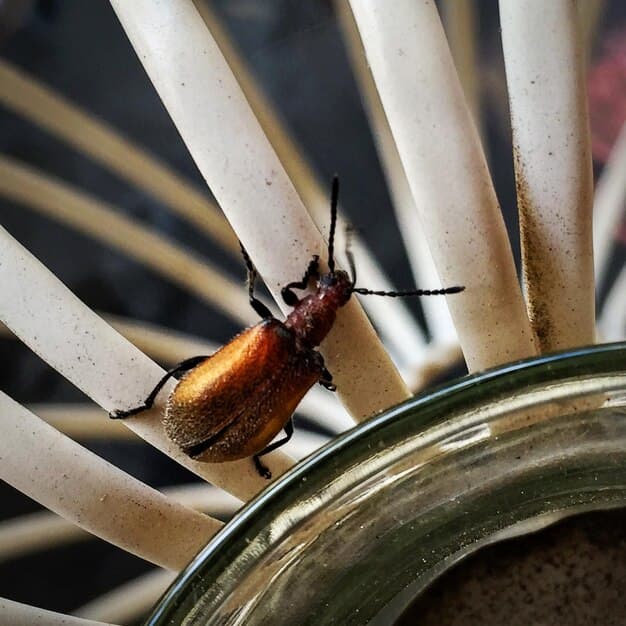
Pests return due to hidden trails, moisture, and entry points. Break the cycle naturally with deep cleaning, sealing gaps, moisture control, DIY traps...
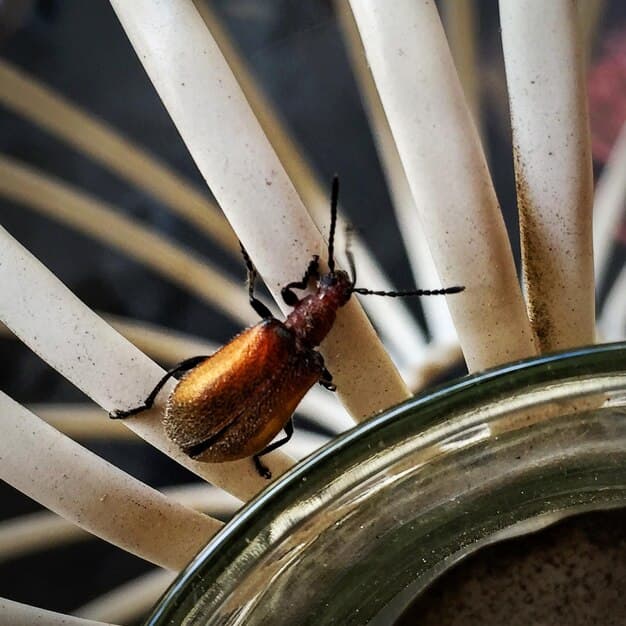
Natural pest control reduces moisture using fixes, ventilation, and absorbers; declutters to remove hiding spots; seals entry points; and secures food...

Use natural methods to deter pests by sealing entry points, decluttering, controlling moisture, and using kitchen remedies like vinegar and peppermint...
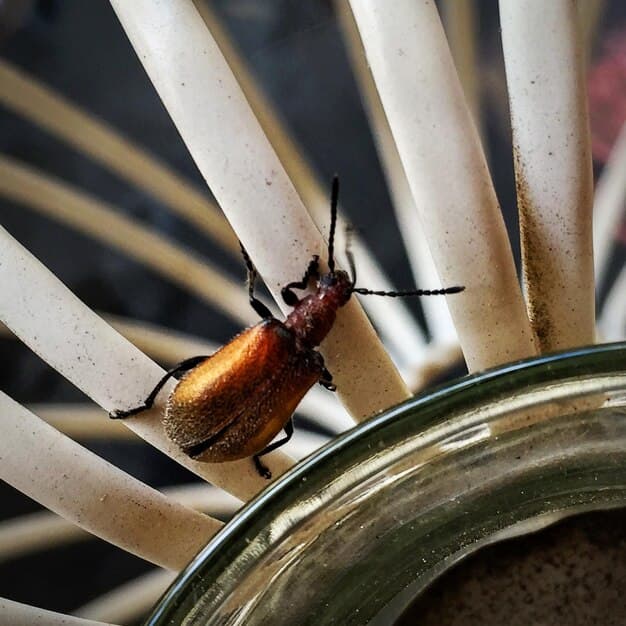
This guide offers homeowners and renters simple, eco-friendly steps to pest-proof homes by sealing entry points, managing food waste, using natural re...
