
You just finished a deep clean, only to spot pests creeping back days later.
It’s frustrating to see all your hard work undone by ants, cockroaches, or pantry moths returning like clockwork.
Learn how to stop pests from coming back using simple, natural steps you can do today—no harsh chemicals, just safe, budget-friendly tricks that keep your home pest-free and your family happy.
Check out this discussion for more experiences on dealing with pests.
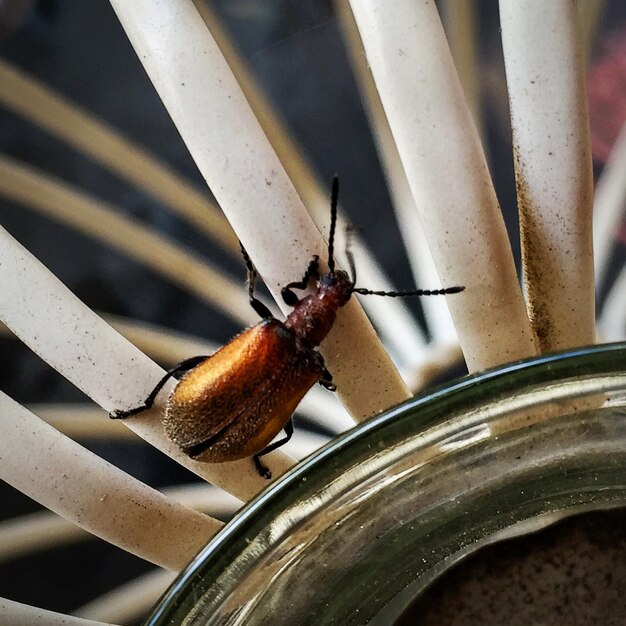
Keeping pests at bay is easier than you might think.
By taking a few simple steps and using eco-friendly solutions, you can create a home environment that’s less inviting to unwanted guests.
Let’s explore how you can stop pests from coming back and enjoy a pest-free home.
No one likes to see pests reappear after a thorough cleaning.
The key to preventing their return is to eliminate what attracts them.
Start by regularly vacuuming and cleaning surfaces where crumbs and spills might occur.
This removes food sources that pests love.
Remember, pests are opportunistic.
They will return if they find even the smallest food particles.
Another tip is to take out the trash frequently and keep trash bins clean and sealed.
Leftover food and garbage are major attractants for pests.
You can also ensure that all food is stored in airtight containers.
This not only keeps your food fresh but also keeps it out of reach from pests.
Using natural pest control methods can be as effective as harsh chemicals, without the risks.
Consider using vinegar for pests.
A simple solution of vinegar and water can deter ants and other small insects.
Spray it around entry points and common pest areas.
This method is not only safe but also cost-effective.
Incorporating food-grade diatomaceous earth is another great option.
Sprinkle it in areas where you notice pests.
It works by dehydrating insects and is safe for humans and pets.
This non-toxic solution ensures that you can manage pests without harming your family or the environment.
For those with reptiles at home, maintaining a safe environment is crucial.
Many traditional pest control methods can be harmful to these sensitive pets.
Start by keeping your reptile’s habitat clean and free from insects.
Regularly remove uneaten food to avoid attracting pests.
Consider using natural deterrents that are safe for reptiles.
For example, essential oils like peppermint can be a gentle yet effective way to keep pests at bay.
Use a diluted spray around, but not inside, the enclosures to avoid direct contact with your pets.

Preventing pests doesn’t have to be complicated or expensive.
With some simple DIY methods, you can protect your home effectively.
These steps will not only help keep pests out but also save you time and money.
Pests often find their way indoors through tiny cracks and gaps.
To stop them, inspect your home for potential entry points.
Use caulk or weather stripping to seal gaps around windows, doors, and any other cracks you find.
This creates a barrier that pests cannot easily cross.
Check utility entry points as well.
Pipes and vents can be entryways for pests if not properly sealed.
By taking these steps, you ensure that pests have fewer opportunities to sneak into your home.
Your kitchen holds amazing pest-fighting ingredients. Baking soda mixed with sugar can be a simple remedy for cockroach problems.
The sugar attracts them, while the baking soda reacts in their stomachs, eliminating them naturally.
Another fantastic ingredient is citrus peel.
Many insects dislike the smell of citrus.
Placing citrus peels around entry points can act as a natural deterrent.
It’s a pleasant-smelling, non-toxic way to keep pests at bay.
Moisture is a magnet for pests like cockroaches and silverfish.
To manage moisture, fix leaky pipes promptly and use dehumidifiers in damp areas like basements.
Keeping these places dry is crucial for discouraging pest infestations.
Make sure to ventilate rooms and use exhaust fans in kitchens and bathrooms.
This helps reduce humidity levels, making your home less attractive to moisture-loving pests.
Remember, controlling moisture is a simple yet powerful way to keep pests away.
Long-term pest prevention requires consistent effort.
Regular maintenance can ensure your home remains a pest-free zone.
Let’s look at some practical strategies for keeping pests out for good.
Storing food properly is critical in pest prevention.
Use glass or metal containers with tight lids for grains, cereals, and other pantry staples.
This keeps food fresh and out of reach from pests like pantry moths and rodents.
Additionally, organize your pantry regularly.
Check for expired or damaged goods and dispose of them promptly.
A clean, organized pantry is less likely to attract pests, giving you peace of mind and a pest-free home.
Cockroaches are notoriously resilient, but natural methods can help.
Mix equal parts of boric acid and sugar to create a simple bait.
Place it in areas where you notice cockroach activity.
The sugar lures them, and the boric acid acts as an effective deterrent.
Regularly clean under appliances where crumbs can accumulate.
Cockroaches thrive in these hidden spots, so a little extra effort can make a big difference.
Keep your home tidy, and you’ll keep cockroaches at bay.
Ants can be persistent visitors, but you can deter them naturally.
Create a barrier by sprinkling cinnamon or coffee grounds along ant trails.
These substances disrupt their scent trails, confusing and deterring them.
Another effective method is to use lemon juice.
Spray it around entry points and potential ant paths.
The acidity repels ants, and the fresh scent is a bonus for your home.
By using these natural solutions, you can keep your home ant-free without harsh chemicals.
年
By following these natural and budget-friendly steps, you can maintain a pest-free home.
Remember, consistency is key.
Regular maintenance and natural deterrents will keep pests from coming back, ensuring your home stays a safe and comfortable place for you and your family.
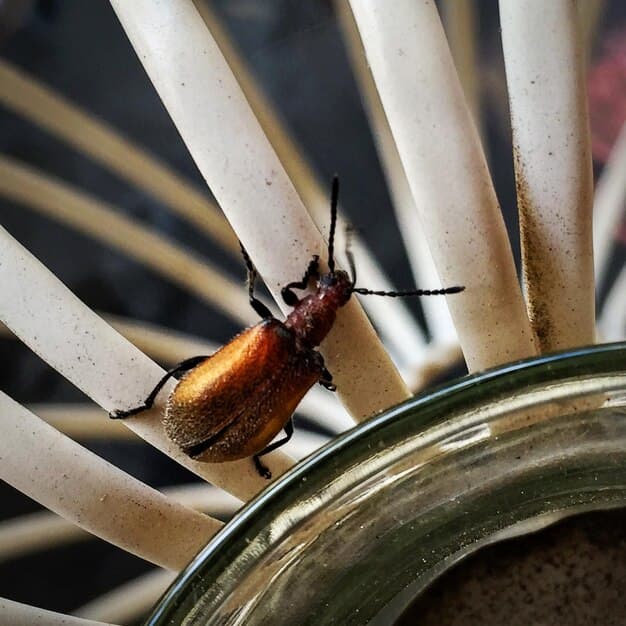
Pests return due to hidden trails, moisture, and entry points. Break the cycle naturally with deep cleaning, sealing gaps, moisture control, DIY traps...
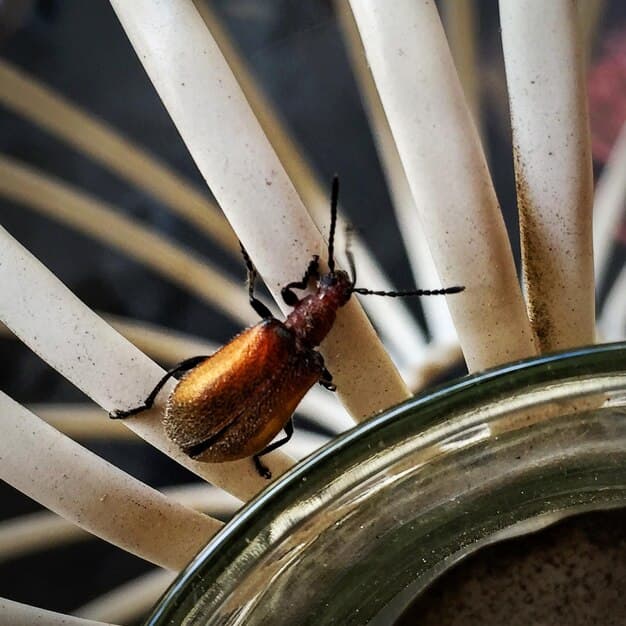
Natural pest control reduces moisture using fixes, ventilation, and absorbers; declutters to remove hiding spots; seals entry points; and secures food...

Use natural methods to deter pests by sealing entry points, decluttering, controlling moisture, and using kitchen remedies like vinegar and peppermint...
This guide offers homeowners and renters simple, eco-friendly steps to pest-proof homes by sealing entry points, managing food waste, using natural re...
