
Moisture, crumbs, and clutter turn your home into a pest playground.
Ants, roaches, and rodents don’t just show up—they settle in where they find shelter and food.
You can stop them naturally by cutting off these invitations with simple, safe steps you can do today.
Let’s explore how to take control with natural pest control methods that protect your family and pets while clearing out these common pest magnets.
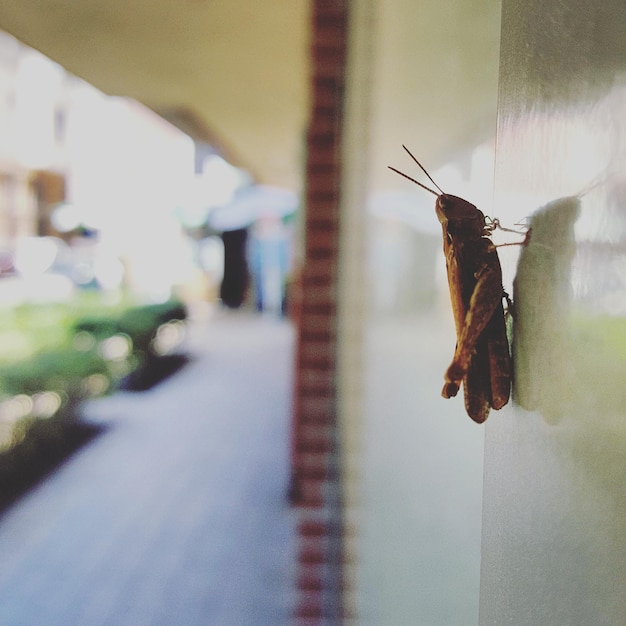
Taking control of moisture in your home is the first step to pest prevention.
Damp areas are a magnet for pests like cockroaches and rodents.
Let’s explore simple tactics you can use.
Leaky faucets or pipes can create the perfect conditions for pests to thrive.
By repairing leaks, you’re cutting off a crucial water source for them.
Begin by inspecting your sinks, toilets, and any exposed pipes.
If you find a leak, fix it promptly.
Most minor leaks can be handled with a wrench and some plumber’s tape, but for more significant issues, don’t hesitate to call a professional.
Taking this step not only helps in pest control, but it also saves water and reduces your utility bills.
Good ventilation keeps moisture levels down, making your home less appealing to pests.
Start by opening windows regularly to let fresh air circulate.
Consider installing vent fans in areas like the kitchen and bathroom where moisture tends to build up.
Use ceiling fans to promote airflow throughout your home.
For a more natural approach, place houseplants like spider plants or Boston ferns in your rooms.
They help absorb excess moisture while adding a touch of greenery.
In areas prone to high humidity, like basements, a dehumidifier can be your best friend.
These devices draw moisture out of the air, making spaces less hospitable for pests.
Choose a dehumidifier that’s right for the size of your room.
When using one, remember to clean the filter and empty the water tank regularly to keep it running efficiently.
For more information on how controlling moisture protects your home from pests, check out this helpful article.

Once you’ve tackled moisture, it’s time to focus on crumbs.
Leftover food can be a feast for pests.
Let’s delve into ways to keep your home crumb-free.
Proper food storage is crucial to keeping pests at bay.
Use airtight containers to store dry goods like cereal, pasta, and snacks.
This not only preserves freshness but also prevents food from becoming an easy target for pests.
Keep fruits and vegetables in the fridge whenever possible.
Implementing these storage strategies ensures that pests find nothing to snack on in your pantry.
A clean kitchen is less likely to attract pests.
Start by wiping down surfaces daily with a mixture of water and dish soap.
For a deeper clean, use baking soda and vinegar.
Sprinkle baking soda on surfaces, spray with vinegar, and wipe clean.
This technique not only cleans but also naturally deodorizes.
Regularly sweep and mop floors to remove any crumbs.
A pest-free kitchen is within reach with these simple steps.
If ants are your main concern, vinegar is a powerful ally.
Mix equal parts vinegar and water in a spray bottle.
Spray around windowsills, doorways, and any other entry points.
Ants are deterred by the strong smell of vinegar, making this a simple and effective solution.
For further guidance, explore this vinegar cleaning method.
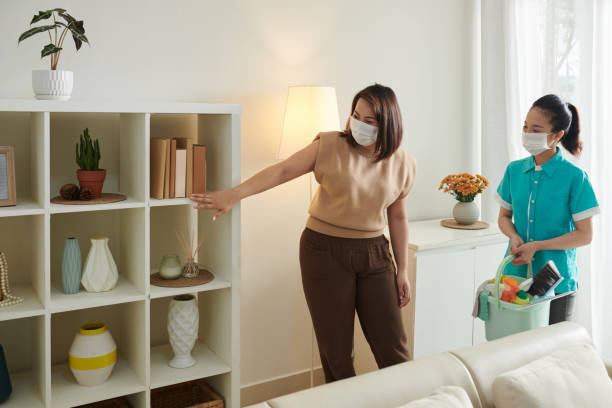
Finally, clearing clutter helps reduce pest hiding spots.
Let’s tackle this step-by-step to ensure your home remains pest-free.
Less clutter means fewer places for pests to hide.
Start by sorting through items in storage areas and deciding what to keep, donate, or toss.
Use bins and baskets to organize remaining items, ensuring you can quickly spot any signs of pests.
For more decluttering tips, visit this resource.
Prevent pests from entering your home by sealing entry points.
Check for gaps around windows, doors, and pipes.
Use caulk or weather stripping to seal these gaps.
By blocking their entry, you’re making it much harder for pests to invade your space.
Ensuring your home is well-sealed is a simple yet effective barrier against unwanted guests.
Diatomaceous earth is a natural pest deterrent.
Sprinkle it along baseboards, beneath appliances, and around the perimeter of your home.
This fine powder is safe for pets and humans but is deadly to insects.
Its sharp particles pierce the exoskeletons of pests, leading to dehydration.
Remember to use food-grade diatomaceous earth, and always follow the package instructions.
For more insights on clutter and pests, explore this detailed guide.
By taking these steps, you’re not only improving your home’s environment but also reclaiming your space from pests.
Remember, the longer you wait, the more firmly pests can settle in.
So start today, and enjoy a pest-free home!
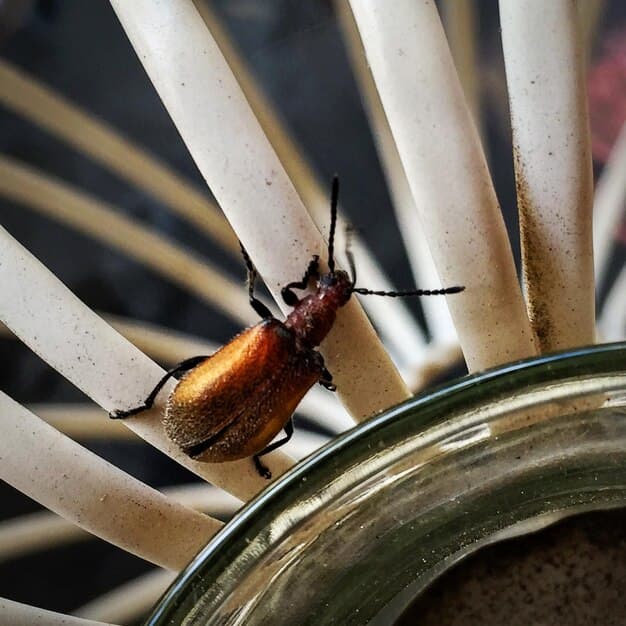
Pests return due to hidden trails, moisture, and entry points. Break the cycle naturally with deep cleaning, sealing gaps, moisture control, DIY traps...
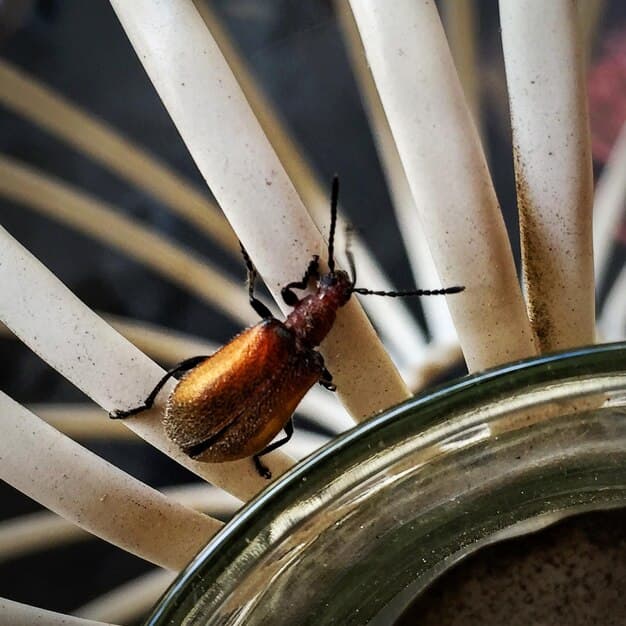
Natural pest control reduces moisture using fixes, ventilation, and absorbers; declutters to remove hiding spots; seals entry points; and secures food...

Use natural methods to deter pests by sealing entry points, decluttering, controlling moisture, and using kitchen remedies like vinegar and peppermint...
This guide offers homeowners and renters simple, eco-friendly steps to pest-proof homes by sealing entry points, managing food waste, using natural re...
