
Pests slipping into your home can feel overwhelming, especially when you want to avoid harsh chemicals.
You’re not alone—many homeowners seek natural pest control that keeps families and pets safe.
This step-by-step guide will show you how to use simple kitchen ingredients and smart sealing tactics to pest-proof your home effectively.
Ready to take control with easy, eco-friendly pest prevention?
Let’s get started. [https://sayonarapests.com/]
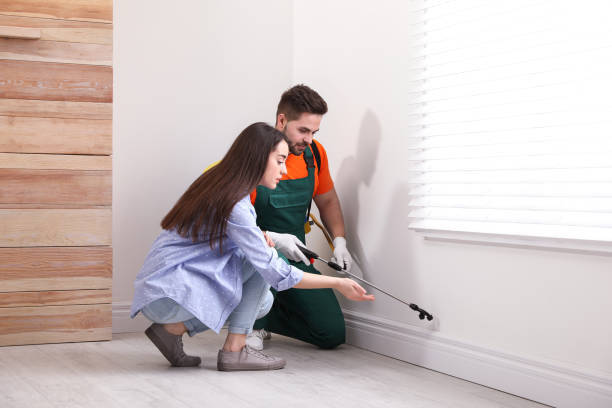
Keeping pests out starts with creating strong physical barriers.
By focusing on sealing entry points, you can significantly reduce the chances of unwanted guests sneaking in.
First, walk around your home and inspect areas where pests might enter.
Look for cracks in the walls, gaps around windows, and spaces under doors.
Use caulk to fill in small openings, and weather stripping for larger gaps.
It’s amazing how quickly you can make a difference just by sealing these potential entry points.
Think about using door sweeps to block the tiny spaces under exterior doors.
Did you know that ants can fit through the smallest of crevices?
By sealing and protecting these areas, you’re helping maintain a pest-free home.
This simple step is crucial in your quest to stop pests naturally.
To keep ants, roaches, and spiders at bay, you’ll need a few simple tricks.
Start with a mixture of equal parts white vinegar and water.
Spray this around baseboards and entryways.
Vinegar has a strong scent that deters these critters effectively.
You can also use essential oils like peppermint or tea tree.
Add a few drops to cotton balls and place them in corners of rooms or near windows.
Most people think harsh chemicals are needed, but these natural scents work wonders.
Reptile enthusiasts, you can safely protect your pets without harmful chemicals.
Use diatomaceous earth, a fine powder made from fossilized algae.
Sprinkle it around your reptile’s habitat to create a barrier against pests.
Just be sure it’s food grade to ensure safety.
If your reptile loves the garden, know that a well-sealed environment is key.
Avoid pesticides; instead, try introducing natural predators like ladybugs in outdoor enclosures.
They’ll help control unwanted insects while keeping your pet safe.

Your kitchen holds more than just your meal ingredients; it’s also a treasure trove of pest control solutions.
These common items can help deter pests naturally and safely.
Vinegar is a powerhouse in pest prevention.
Beyond repelling ants, a vinegar solution can wipe away pheromone trails, preventing ants from finding their way back.
Use one part vinegar to two parts water, and clean your counters and floors with this mix.
Vinegar is also effective against fruit flies.
Simply leave a small bowl of vinegar covered with plastic wrap.
Poke a few holes on top, and watch as the flies find their way in but can’t escape.
Rodents dislike peppermint oil, making it a great deterrent.
Mix 10-15 drops of the oil with water in a spray bottle, and mist around areas where you suspect rodent activity.
Focus on entry points and places where food is kept.
Some find it surprising that such a pleasant scent can be so effective.
This is a simple, non-toxic solution perfect for households with pets or children.
If you prefer DIY solutions, here are a few easy recipes to try.
Mix water, dish soap, and a few drops of essential oil to create a general pest spray.
You can also make a powder using baking soda and sugar to tackle cockroaches.
For outdoor use, garlic and chili pepper spray is highly effective.
Blend a few cloves of garlic with hot chili peppers, mix with water, and spray around your garden.
This deters pests without harming plants or beneficial insects.
For more ideas, check out these homemade pest control solutions.

Now that your home is fortified and you have deterrents in place, it’s time to engage with more comprehensive strategies.
Let’s dive into how you can sustain a pest-free environment.
Having a checklist can help you stay organized and ensure you’re covering all bases.
Start by listing all potential pest entry points and treatment areas.
Regularly check and reapply natural repellents, and update your list as needed.
Most people think they need professional help, but with a solid plan, DIY pest control is entirely manageable.
Learn how to create a checklist that fits your home’s specific needs at this helpful resource.
If you need more than just kitchen ingredients, there are several eco-friendly products available.
Look for traps and baits made from natural materials, or consider non-toxic sprays that use essential oils.
Brands are now more conscious of offering green solutions, making it easier than ever to find safe products.
These products can complement your DIY efforts and offer additional peace of mind.
For tailored recommendations, explore popular eco-friendly pest solutions.
Ready to take your pest-proofing to the next level?
An expert consultation can provide personalized advice and targeted solutions for your unique challenges.
While DIY methods are effective, sometimes professional insights can make all the difference.
Remember, the longer you wait, the more entrenched pests can become, so reach out today.
Discover the benefits of expert guidance at Sayonara Pests.
By following these steps, you’ll be well on your way to maintaining a pest-free home.
With natural solutions and a proactive approach, you can enjoy peace of mind knowing your home is protected.
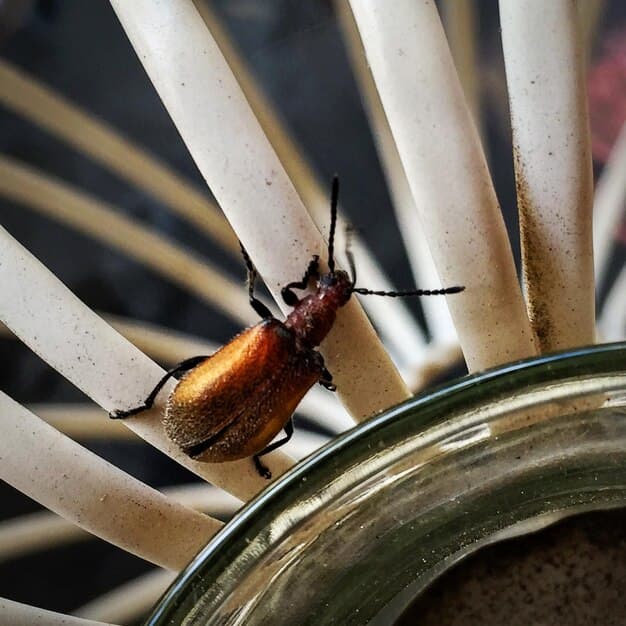
Pests return due to hidden trails, moisture, and entry points. Break the cycle naturally with deep cleaning, sealing gaps, moisture control, DIY traps...
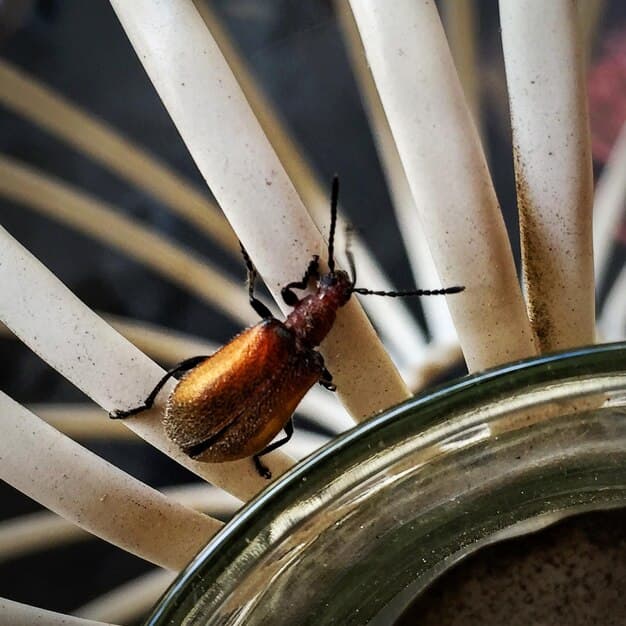
Natural pest control reduces moisture using fixes, ventilation, and absorbers; declutters to remove hiding spots; seals entry points; and secures food...

Use natural methods to deter pests by sealing entry points, decluttering, controlling moisture, and using kitchen remedies like vinegar and peppermint...
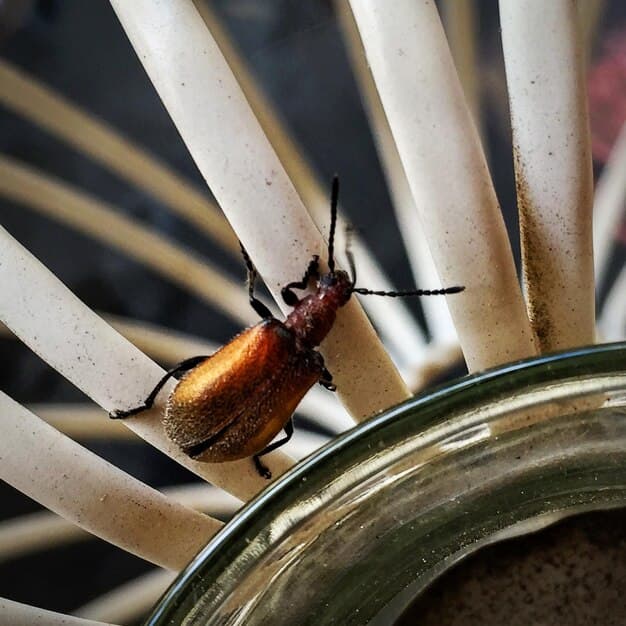
This guide offers homeowners and renters simple, eco-friendly steps to pest-proof homes by sealing entry points, managing food waste, using natural re...
