
Pests can sneak into your home through the tiniest cracks, turning your peaceful space into a battleground.
You don’t need harsh chemicals or costly treatments to keep them out.
With natural pest control, you’ll learn simple, non-toxic steps that make your home less inviting to unwanted visitors.
Let’s explore easy ways to protect your space safely and confidently.
Check out this link for more insights on keeping your home pest-free.
Let’s jump into easy methods to keep pests at bay without using harsh chemicals.
These natural techniques are simple, effective, and safe for you and your home.
Start with small changes that have a big impact.
Keeping bugs out can often be about making your home less attractive to them.
Seal food in airtight containers; this keeps smells from attracting pests.
Use garbage cans with tight-fitting lids to stop critters from sniffing around.
Did you know that fixing leaky pipes can reduce pest visits?
Bugs love moisture, so repairing leaks is a quick win.
Your kitchen holds hidden pest-fighting tools. Vinegar is a natural ant deterrent.
Mix equal parts of vinegar and water, then spray it where you see ants.
Another trick? Diatomaceous earth can tackle a range of pests.
Sprinkle it in areas where bugs enter your home.
It’s safe for humans but deadly for insects.
Concerned about your pets?
Use solutions that are safe for them. Citrus peels can deter fleas.
Rub them on your pet’s bedding or boil peels in water for a spray.
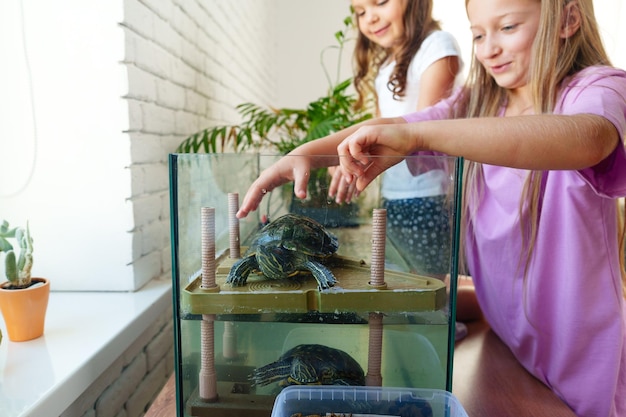
If you have reptiles, ensure their habitats are pest-free by keeping them clean. Essential oils like peppermint can drive away pests but check they’re safe for your pets first.
Now, let’s make sure pests can’t even get inside.
Securing your home is key to prevention and involves simple steps.
Block tiny gaps where pests sneak in.
Install door sweeps and ensure window screens have no holes.
Use caulk to seal cracks around windows and doors.
Many pests enter through these small openings.
With these fixes, you’re creating a strong defense.
Moisture invites pests in, so keep your home dry.
Fix those leaky faucets and ensure your home is well-ventilated.
Use a dehumidifier in damp areas like basements.
By reducing moisture, you’re making your home less appealing to pests who thrive in humid conditions.
Clutter isn’t just messy; it’s a haven for pests.
Clear out stacks of newspapers and unused boxes.
Keep your spaces tidy to remove hiding spots for bugs and rodents.
Clutter-free homes mean fewer places for pests to settle.

Taking care of your yard can stop pests from reaching your home.
Let’s explore some outdoor tips.
Gardens can be pest magnets.
Planting marigolds can naturally repel insects.
Install nets or row covers to protect crops.
Rotate your plants yearly to prevent pest buildup.
These simple actions can help keep your garden healthy and vibrant.
Your trash can attract pests if not managed right.
Always use bins with lids and keep them clean.
For compost, mix in brown materials like leaves to balance out food scraps.
This reduces odors and keeps unwanted critters away.
Keep your yard tidy to discourage pests.
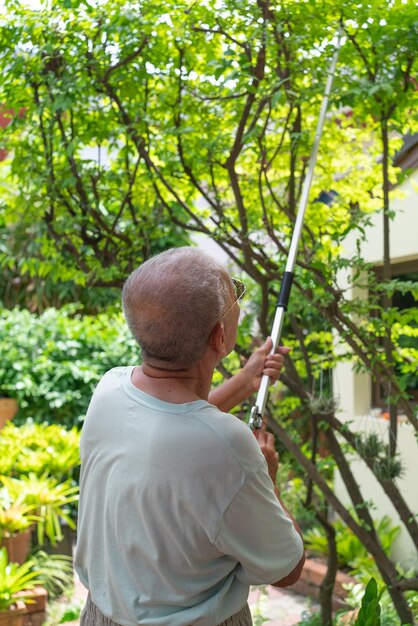
Trim trees and shrubs regularly, ensuring no branches touch your home.
This prevents pests from using them as bridges.
Consider a gravel perimeter around your home, making it harder for bugs to move in.
By following these natural pest control steps, you can maintain a peaceful home without harmful chemicals.
Not only are these methods safer, but they’re also effective and budget-friendly.
For more eco-friendly pest control ideas, you can explore this resource.
Stay proactive, and your home will remain a safe haven from pests.
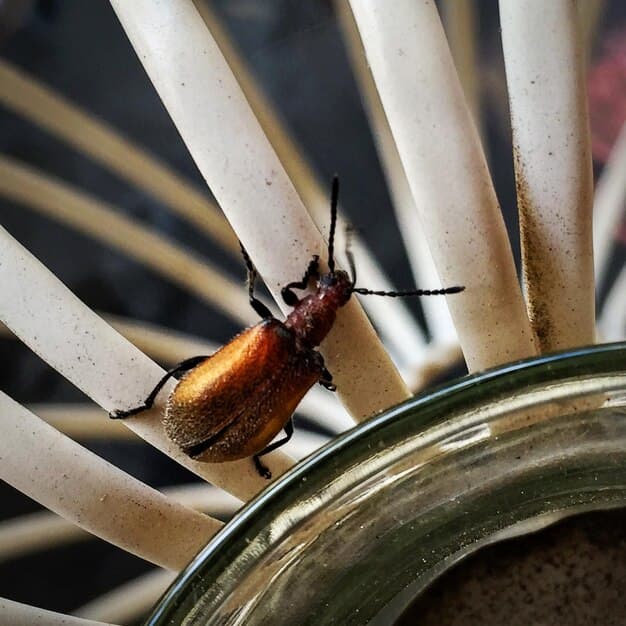
Pests return due to hidden trails, moisture, and entry points. Break the cycle naturally with deep cleaning, sealing gaps, moisture control, DIY traps...
Natural pest control reduces moisture using fixes, ventilation, and absorbers; declutters to remove hiding spots; seals entry points; and secures food...

Use natural methods to deter pests by sealing entry points, decluttering, controlling moisture, and using kitchen remedies like vinegar and peppermint...
This guide offers homeowners and renters simple, eco-friendly steps to pest-proof homes by sealing entry points, managing food waste, using natural re...
