
Pests don’t have to take over your home or garden.
You can stop them safely using simple, affordable ingredients you already have in your kitchen or yard.
This guide to natural pest control shows you easy ways to keep ants, roaches, spiders, and more at bay without harsh chemicals.
Ready to take back your space with eco-friendly pest control?
Keep reading to learn how.
For more DIY pest control solutions, check out this link.
Taking charge of pests at home becomes simple when you use items you already have.
Let’s start with some tricks to keep these unwelcome guests outside where they belong.
Ants may be small, but they can quickly become a big problem.
Using vinegar is an easy way to send them packing.
Mix equal parts water and vinegar, and pour the concoction into a spray bottle.
Spray it on the ants and their trails.
The strong smell disrupts their scent trails, making it hard for them to find their way back.
You can also spray around doorways and windowsills to prevent them from entering.
This method is safe to use repeatedly without worrying about harmful chemicals.
Fruit flies are tiny nuisances that seem to appear out of nowhere.
But you can trap them easily.
Pour some apple cider vinegar into a bowl and add a few drops of dish soap.
The vinegar attracts the flies, while the soap breaks the surface tension, trapping them.
Cover the bowl with plastic wrap and poke small holes in it.
This simple trap will catch those pesky flies before they take over your kitchen.
Roaches are tough, but baking soda can help you tackle them.
Mix equal parts of baking soda and sugar, and sprinkle the mixture wherever you’ve seen roaches.
The sugar lures them in, while the baking soda reacts with their stomach acids to eliminate them.
It’s a budget-friendly way to reduce the roach population without toxic chemicals.
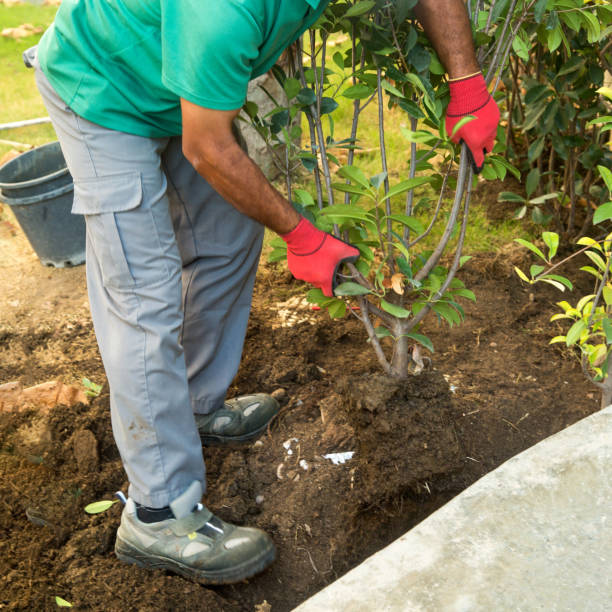
Now, let’s step outside to protect your garden and outdoor areas.
Here are a few easy fixes for common garden pests that threaten your plants.
Aphids can wreak havoc on your plants, but soap spray serves as an effective deterrent.
Mix a few teaspoons of liquid dish soap with a quart of water in a spray bottle.
Spray it directly on the aphids.
The soap breaks down their outer shell, which keeps them off your plants.
Repeat every few days for best results.
This solution is safe for plants but tough on pests.
Slugs are known for damaging plants, but coffee grounds can help keep them away.
Scatter used coffee grounds around the base of your plants.
The texture deters slugs, making it hard for them to cross.
Additionally, coffee grounds enrich the soil with nitrogen, benefiting your plants.
This dual-purpose solution is both eco-friendly and effective.
Mosquitoes can make outdoor time unpleasant, but you can fend them off naturally.
Try planting mosquito-repelling plants like lavender, basil, and marigolds around your garden.
These plants not only beautify your space but also keep mosquitoes at bay.
Alternatively, mixing essential oils like citronella or peppermint with water can create a simple spray for your skin.
Finding pest control methods that are safe for pets and the environment is crucial.
Here are strategies to protect your loved ones and your home.
Your pets deserve a safe home too.
Here are pet-safe pest control options that won’t harm them.
Diatomaceous earth is a natural powder that can deter fleas and other pests.
Sprinkle it in areas where your pets frequent.
It’s safe for pets but lethal to insects.
Additionally, using essential oils like lavender and peppermint around your home can repel pests while being safe for pets.
If you have reptile friends, keeping their environment safe from pests is important.
Avoid using any pest control products with chemicals.
Instead, ensure their habitats are clean and well-maintained.
Using food-grade diatomaceous earth around enclosures can deter pests without harming your reptiles.
Regular checks and cleaning go a long way in maintaining a safe living space.
Pantry moths can invade your food supplies, but there are ways to keep them at bay.
Store food in airtight containers to prevent moths from accessing it.
Regularly check and clean your pantry to catch any early signs of infestation.
You can also place bay leaves or cedar blocks in your pantry, as their smell deters moths naturally.
Consistent maintenance is key to keeping your pantry moth-free.
Each of these methods offers an eco-friendly way to manage pests without resorting to chemicals.
By using items you already have, you can effectively protect your home and garden.
For more natural pest control ideas, visit this resource.
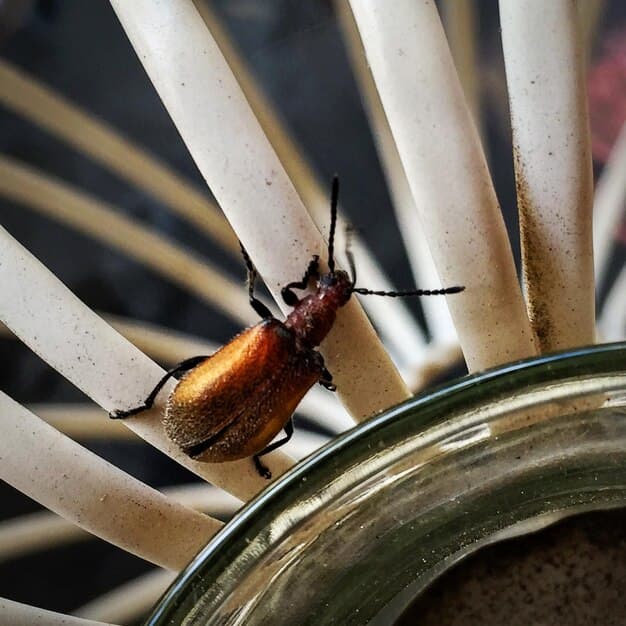
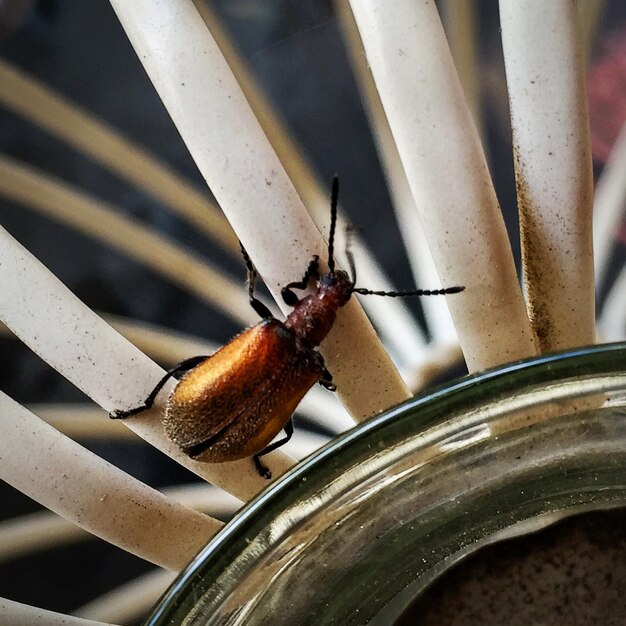
Pests return due to hidden trails, moisture, and entry points. Break the cycle naturally with deep cleaning, sealing gaps, moisture control, DIY traps...
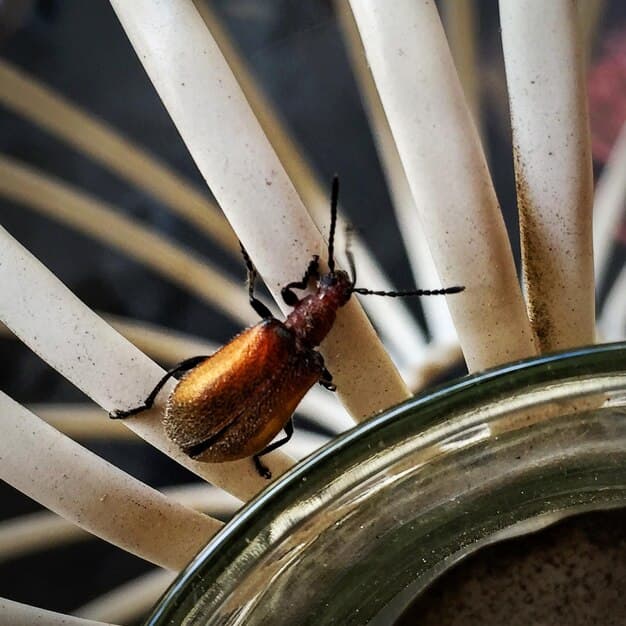
Natural pest control reduces moisture using fixes, ventilation, and absorbers; declutters to remove hiding spots; seals entry points; and secures food...

Use natural methods to deter pests by sealing entry points, decluttering, controlling moisture, and using kitchen remedies like vinegar and peppermint...
This guide offers homeowners and renters simple, eco-friendly steps to pest-proof homes by sealing entry points, managing food waste, using natural re...