
You just spent hours cleaning your home, but pests are already creeping back.
It’s frustrating to see all that effort undone by ants, spiders, or other unwelcome visitors.
This guide will show you how to stop pests coming back using simple, natural pest control methods that are safe for your family and pets.
Keep reading to learn a step-by-step plan that fits your budget and lifestyle.
Check out this link for more insights from others facing similar challenges.
Before diving into solutions, it’s important to understand the basics of natural pest control.
This approach keeps your home safe and removes pests without harming the environment.
Here’s how you can start using your kitchen for pest control.
Your kitchen holds the secret to keeping pests at bay. Vinegar is a great cleaning agent that doubles as a pest deterrent.
Mix equal parts of water and vinegar in a spray bottle.
Use it on surfaces to keep ants away. Baking soda is another hero in the fight against pests.
Sprinkle it in areas where you suspect roaches hide.
It dehydrates them, reducing their numbers quickly.
Peppermint oil is not just for freshening the air.
A few drops in a diffuser or mixed with water can repel spiders.
They dislike the strong scent, so placing it around doorways can be very effective.
These simple ingredients are a natural way to keep your home pest-free without breaking the bank.
Keeping pests out while ensuring your pets’ safety is crucial. Diatomaceous earth (food-grade) is a safe option.
This powdery substance can be sprinkled in corners, where it will dehydrate pests like fleas and ticks.
Ensure your pets don’t inhale it, as it can cause irritation.
Another pet-safe method is using lemon juice.
Mix lemon juice with water and spray it on surfaces.
It not only cleans but also repels pests with its citrus scent.
These methods ensure your furry friends are safe while your home remains pest-free.
Even with remedies and sprays, pests will find a way in if entry points are open.
Inspect your home for gaps and cracks.
Use caulk to seal small openings in walls or around windows.
For larger gaps, consider using steel wool as pests can’t chew through it.
Regularly check these areas, especially after weather changes.
Keeping your home sealed is a proactive way to reduce pest invasions.
By maintaining these barriers, you can focus less on removal and more on prevention.

Once you have the basics down, it’s time to move to broader strategies that ensure a pest-free home.
These tips are eco-friendly and designed to fit seamlessly into your routine.
A natural garden can be your best weapon.
Planting mint and lavender around your home can deter pests naturally.
These plants have strong scents that pests avoid.
Plus, they add beauty to your garden.
Regularly maintaining your garden can prevent pests from making a home outside, reducing their chances of getting inside.
Composting can also draw pests away from your home.
Keep your compost bin away from the house to avoid drawing pests closer.
Integrated Pest Management (IPM) uses a combination of methods for effective control.
Start by identifying pest types and their sources.
Use natural traps as a first line of defense.
For instance, a mix of sugar and borax can attract and kill ants.
Monitoring pest levels helps in knowing when to increase or decrease efforts.
IPM is about balance, using just enough control to manage pests without harming the environment.
Reptile owners need to be cautious. Neem oil is a natural insecticide that’s safe around reptiles.
Mix with water and apply it to plants or areas where pests gather.
It disrupts pest growth without harming your scaly friends.
Regularly clean reptile enclosures to remove pests and their eggs.
Keeping a clean habitat ensures your reptiles remain healthy and your home pest-free.
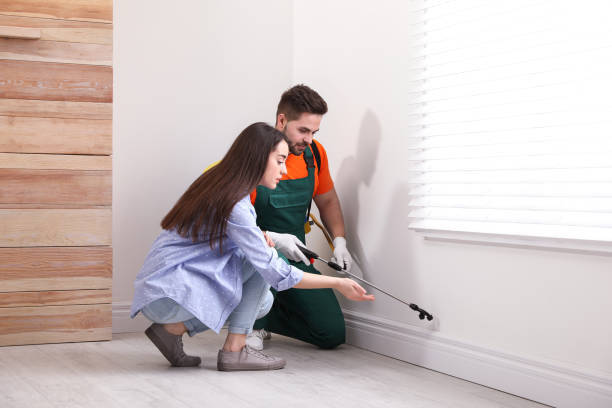
A routine is key to keeping pests from returning.
Consistency ensures your efforts are rewarded with a pest-free home.
Quick tasks can make a big difference.
Spend 10 minutes each week to check and reapply natural deterrents.
Use vinegar or lemon sprays on surfaces.
Refresh peppermint oil in diffusers.
These small actions, done regularly, keep your home unattractive to pests.
The key is consistency, ensuring barriers remain effective.
Create a checklist to stay organized.
Include tasks like sealing entry points, checking for leaks, and maintaining garden plants.
Regularly review and update this list as seasons change.
This checklist acts as a reminder and ensures no step is missed in maintaining a pest-free home.
It’s a simple tool for consistent success.
Different rooms may require different solutions.
Use eucalyptus oil in the bathroom to keep flies away. Cinnamon in the pantry can deter ants without affecting food quality.
By tailoring approaches to each room, you increase the effectiveness of your efforts.
These natural repellents keep your home safe and fresh-smelling.
Concluding this guide, remember that natural pest control is about prevention and consistency.
Embrace these strategies to maintain a home that’s safe for your family and the environment.
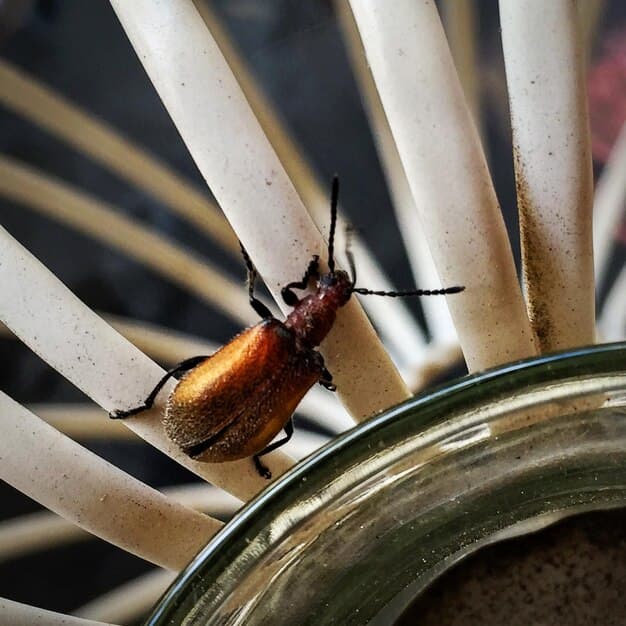
Pests return due to hidden trails, moisture, and entry points. Break the cycle naturally with deep cleaning, sealing gaps, moisture control, DIY traps...
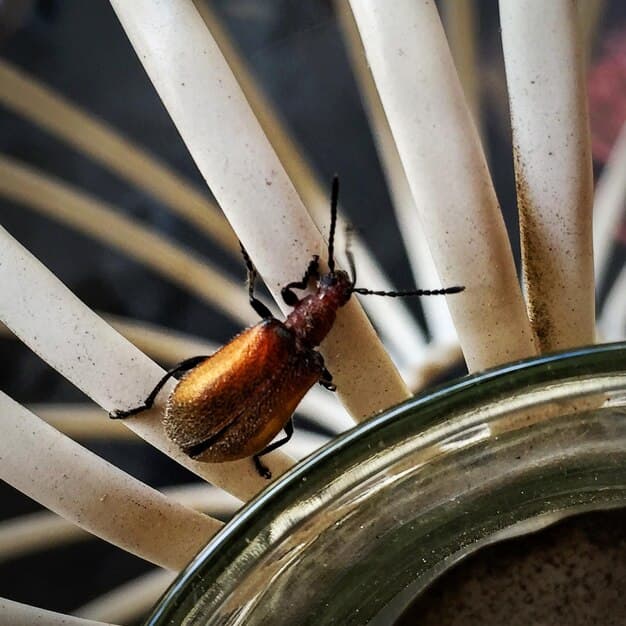
Natural pest control reduces moisture using fixes, ventilation, and absorbers; declutters to remove hiding spots; seals entry points; and secures food...

Use natural methods to deter pests by sealing entry points, decluttering, controlling moisture, and using kitchen remedies like vinegar and peppermint...
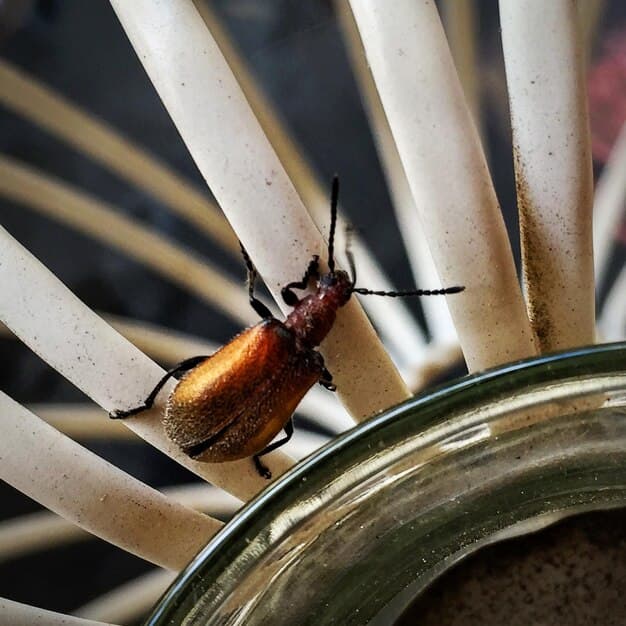
This guide offers homeowners and renters simple, eco-friendly steps to pest-proof homes by sealing entry points, managing food waste, using natural re...