
Pests don’t have to take over your home.
Many natural pest control methods can keep your space pest-free without harsh chemicals or costly treatments.
In this guide, you’ll find simple, practical steps to make your home less attractive to pests using ingredients from your kitchen, smart storage, and smart garden choices.
Ready to protect your home safely and affordably?
Let’s get started.

Let’s dive into the basics of keeping pests out naturally.
By focusing on your home’s entry points, clutter, and moisture levels, you can make your space less inviting to creepy crawlies.
First, inspect your home for any small openings.
Tiny gaps around windows or doors might be all pests need to enter.
Use caulk or weatherstripping to close these gaps.
Even a small investment in door sweeps can be a game-changer.
Most people think a few cracks aren’t a big deal, but these are like open doors to pests.
Clutter provides hiding spots for pests.
Go room by room and clear out items you no longer need.
Use storage bins to keep things organized.
When items are off the floor, pests have fewer places to hide.
Remember, a tidy home is less appealing to pests.
Moisture is a magnet for pests, especially in basements and bathrooms.
Fix any leaks you find right away.
Consider using a dehumidifier in damp areas.
Keeping humidity levels low can deter many pests that thrive in moist environments.
After securing your home, it’s time to use some kitchen magic.
These solutions are not only effective but also safe for your family and pets.
Vinegar is a versatile ingredient, perfect for driving away ants.
Mix equal parts of water and vinegar in a spray bottle.
Spray directly on ants and their trails.
This disrupts their scent trails, making it harder for them to find their way back.
It’s simple and doesn’t cost a fortune, unlike some commercial products.
Peppermint oil is a natural deterrent for spiders and mice.
Place a few drops on cotton balls and position them in corners or entry points.
The scent is unpleasant to these pests but refreshing for your home.
It’s an easy way to protect your space without using harsh chemicals.
Diatomaceous earth is a fine powder made from fossilized algae.
Sprinkle it around baseboards or under appliances.
It works by dehydrating and killing pests like roaches and fleas.
Remember, only use food-grade to ensure it’s safe for your family and pets.
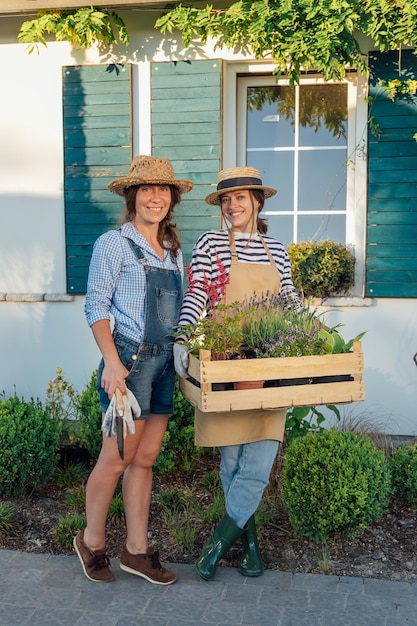
Let’s step outside and think about how your garden can help keep pests at bay.
With a few strategic moves, you can maintain a pest-free outdoor space.
A healthy garden can deter pests naturally.
Choose plants that repel insects, such as marigolds or lavender.
Keep your garden beds clean and free of debris.
Regular maintenance can prevent pests from setting up camp.
Composting is great for the garden but can attract pests if not done right.
Always cover your compost pile and regularly turn it to aerate.
Avoid adding meat or dairy, which can attract unwanted visitors.
Keep it simple and you’ll have rich compost without the pests.
Finally, storing food properly both indoors and outdoors is key.
Seal food in airtight containers.
This not only preserves freshness but keeps pests out.
Proper storage is a simple step that most people overlook, yet it makes a big difference.
By following these steps, you can enjoy a home that’s naturally less attractive to pests.
Remember, taking action now prevents bigger problems later!
Pests return due to hidden trails, moisture, and entry points. Break the cycle naturally with deep cleaning, sealing gaps, moisture control, DIY traps...
Natural pest control reduces moisture using fixes, ventilation, and absorbers; declutters to remove hiding spots; seals entry points; and secures food...
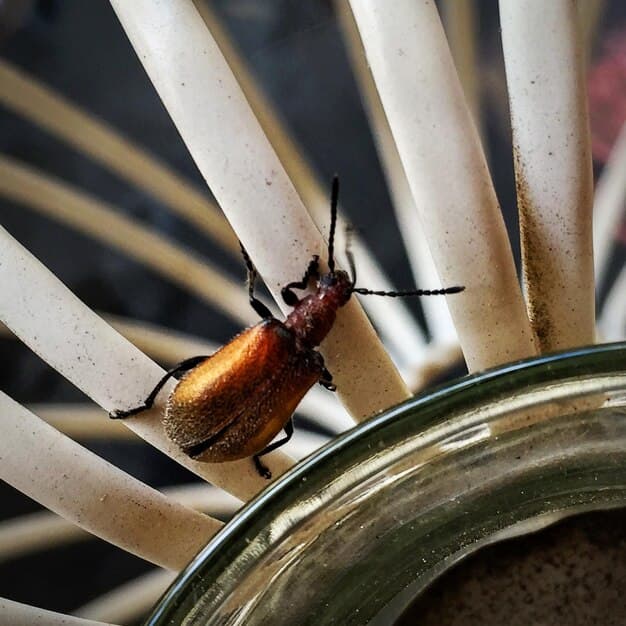
This guide offers homeowners and renters simple, eco-friendly steps to pest-proof homes by sealing entry points, managing food waste, using natural re...
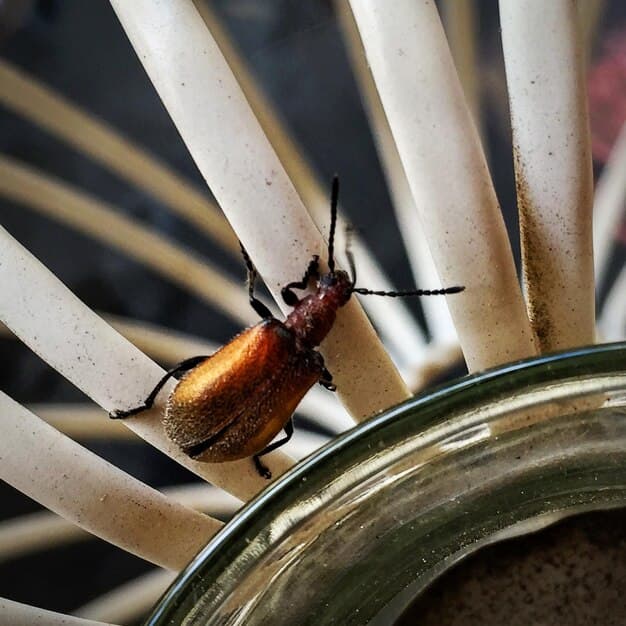
This guide offers natural, pet-safe pest prevention tips room-by-room: clean kitchens, seal entry points, control moisture, use non-toxic repellents l...
