
Pests can turn your cozy home into an unwelcome battleground.
You want to protect your family and pets without harsh chemicals or costly treatments.
This guide shows you how to prevent pests naturally, room by room, using simple, pet-safe habits and easy DIY remedies.
Ready to take control?
Let’s start making your home less attractive to pests today.
For more information, visit Sayonara Pests.
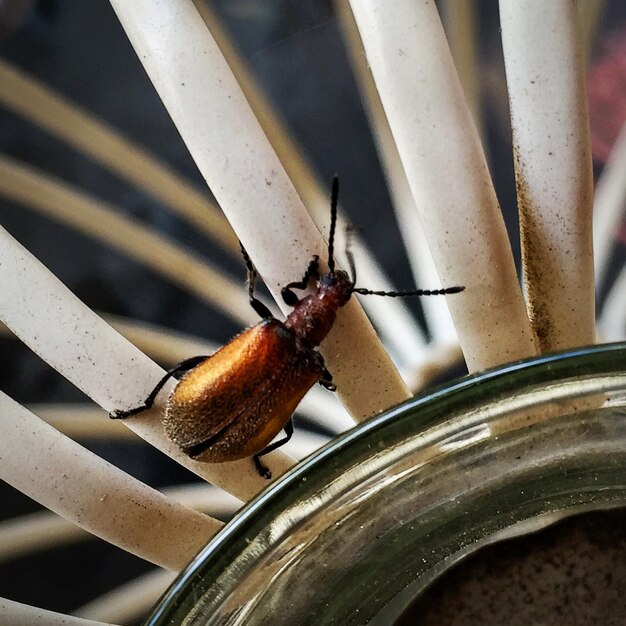
Start your pest-free journey in the kitchen, where crumbs and spills often attract unwanted guests.
Keeping this area clean is key to preventing infestations.
Use everyday items to keep pests away.
For example, bay leaves in pantry corners deter ants and roaches.
Place a few leaves on shelves and in storage containers.
Another handy solution: a mix of baking soda and sugar.
This is particularly effective against ants.
The sugar lures them, while the baking soda disrupts their systems.
Want more kitchen hacks?
Check out these kitchen staples that repel pests.
Cracks and gaps around windows, doors, and pipes are entryways for pests.
To block them, use caulk or weatherstripping.
Focus on areas under sinks and around appliances.
This prevents insects and rodents from sneaking in.
Simple maintenance can make a big difference, saving you from bigger problems later.
Vinegar is a natural and effective pest deterrent.
Mix equal parts of vinegar and water in a spray bottle.
Use it to wipe down counters and tables.
This not only cleans but also repels ants and fruit flies.
The strong smell disrupts their scent trails, making your kitchen less inviting.
Next, move to the bathroom and laundry room.
These spaces are often damp, creating a perfect environment for pests.
Dry conditions help keep them at bay.
Excess moisture attracts pests like silverfish and cockroaches.
Fix any leaks around sinks and tubs.
Use a dehumidifier to reduce humidity levels.
Ventilate these areas well by using exhaust fans or opening windows regularly.
Dry spaces discourage pests from settling in.
Boric acid is a popular non-toxic solution.
Sprinkle it lightly in corners and crevices to repel cockroaches.
It’s safe for humans but harmful to bugs.
Diatomaceous earth is another option.
It’s made from fossilized algae and works by dehydrating insects.
When using these, always follow safety instructions for best results.
Essential oils are great for pet-safe pest control.
Mix ten drops of tea tree oil with two cups of water.
Spray in areas where pests are seen.
This repels insects without harming your furry friends.
Remember, some oils can be harmful to pets, so research before use.
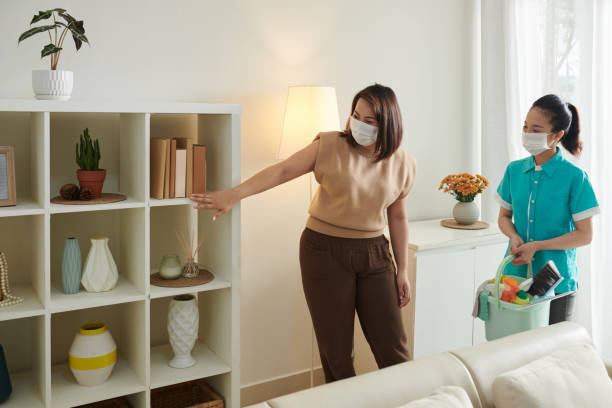
Finally, tackle the living areas and bedrooms.
These spaces may seem pest-free, but a few simple steps can prevent hidden infestations.
Clutter provides hiding spots for pests like bed bugs and moths.
Regularly tidy up cluttered areas.
Store items in sealed plastic bins instead of cardboard boxes, which attract pests.
This not only keeps your home tidy but also reduces places for bugs to hide.
Cedar is a natural deterrent for moths.
Place cedar blocks or chips in closets and drawers.
The scent repels moths that damage clothing.
Replace cedar products every few months to maintain their effectiveness.
This simple step helps protect your clothes naturally.
Peppermint oil is a powerful ant deterrent.
Mix a few drops with water in a spray bottle.
Apply around door frames and windowsills.
The smell confuses ants, disrupting their trails.
Consistent use keeps ants at bay while leaving your home smelling fresh.
Interested in more tips?
Visit Growing Organic for community insights on pest control.
By taking these steps, you can enjoy a home that’s less attractive to pests—naturally.
Remember, the longer you wait, the more pests can settle in.
Start today and protect your space with these eco-friendly methods.
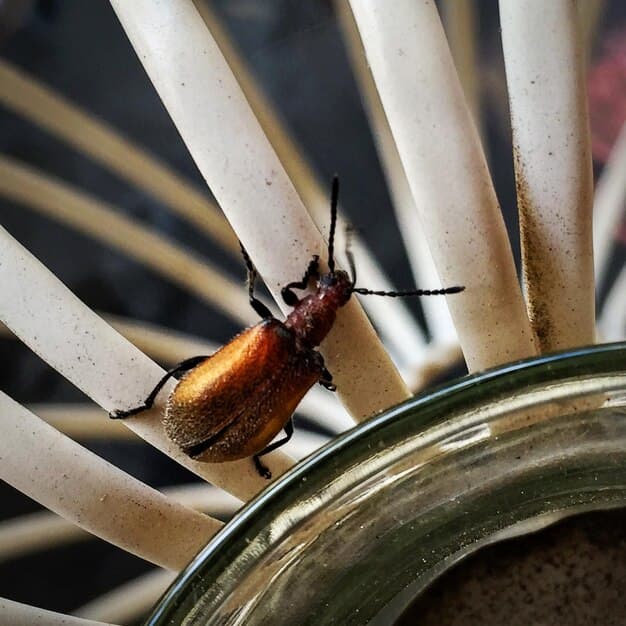
Pests return due to hidden trails, moisture, and entry points. Break the cycle naturally with deep cleaning, sealing gaps, moisture control, DIY traps...
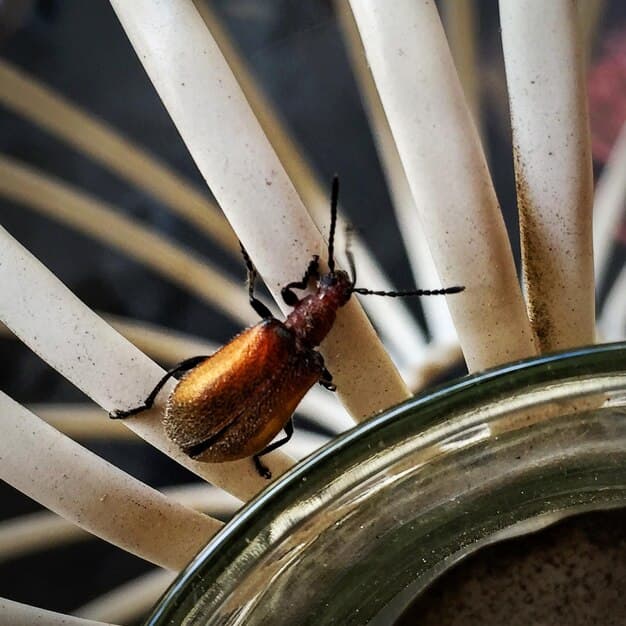
Natural pest control reduces moisture using fixes, ventilation, and absorbers; declutters to remove hiding spots; seals entry points; and secures food...

Use natural methods to deter pests by sealing entry points, decluttering, controlling moisture, and using kitchen remedies like vinegar and peppermint...
This guide offers homeowners and renters simple, eco-friendly steps to pest-proof homes by sealing entry points, managing food waste, using natural re...