
Pests slipping in unnoticed can turn your peaceful home upside down fast.
You want to keep them out without harsh chemicals or costly services.
This guide on home pest proofing breaks down simple, natural steps anyone can follow to seal entry points, manage food, and create barriers that pests won’t cross.
Stick with me, and you’ll learn how to protect your space safely and affordably—whether you own or rent.
For more details, you can check out this helpful resource.
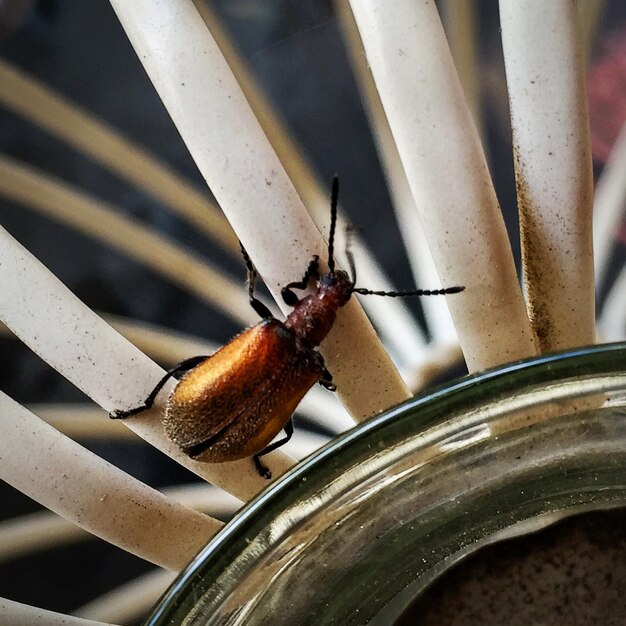
Let’s start by focusing on your home’s first line of defense.
These steps will show you how to make your space unappealing to pests from the get-go.
Begin with a close look at your home’s exterior and interior.
Pests often sneak in through tiny holes or gaps, which you might not even notice at first.
Walk around and check for cracks in walls, gaps around windows, and spaces near pipes.
Caulking Cracks: Use caulk or expanding foam to seal these small openings.
This simple task blocks the easy paths pests use to enter your home.
Plugging Holes: For larger gaps, steel wool can be an effective filler.
Mice, for example, can’t chew through steel wool, making it a simple yet powerful barrier.
Remember, your goal is to make your home as sealed as possible.
This not only keeps pests out but also improves your home’s insulation.
Doors and windows are common entry points for pests.
Installing door sweeps and screens is an effective way to keep them at bay.
Door Sweeps: These are strips placed at the bottom of doors to block gaps.
They are inexpensive and easy to install, providing a physical barrier against pests.
Window Screens: Ensure all windows have screens without holes, and replace or repair any damaged ones.
This keeps bugs out while allowing fresh air in.
By securing these areas, you prevent pests from walking right into your living space.
Pests are attracted to food and waste, so managing these properly is essential.
Seal Food Containers: Use airtight containers for all pantry items.
This not only keeps food fresh but also prevents pests like ants and roaches from feasting.
Proper Trash Disposal: Keep your trash bins clean and sealed.
Take out the trash regularly to avoid attracting pests with lingering food smells.
Adopting these habits will make your home less inviting to unwanted guests.
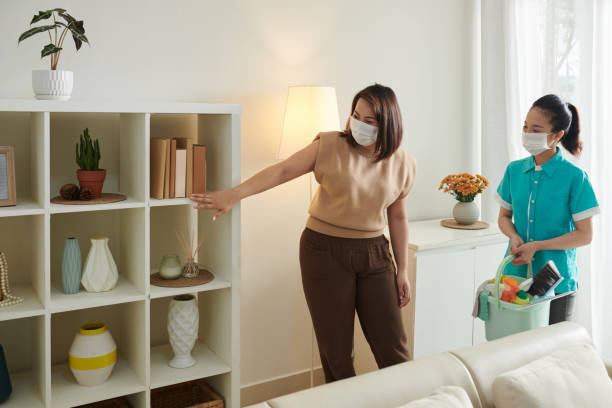
With your home secured, it’s time to explore natural methods to deter pests.
These eco-friendly tips will help maintain a pest-free environment without harsh chemicals.
Look no further than your kitchen for effective pest deterrents.
Some common household items can do wonders.
Vinegar and Essential Oils: Mix vinegar with peppermint or tea tree oil in a spray bottle.
Spritz this around entry points to deter ants and spiders.
Herbs and Spices: Use cinnamon, bay leaves, or cloves in pantries and cupboards.
These strong scents repel many pests, adding an extra layer of protection.
These simple remedies are not only cost-effective but also safe for your family and pets.
Lighting can attract or repel pests, depending on how it’s used.
By choosing the right types of lights, you can reduce pest activity around your home.
Yellow LED Lights: These lights are less attractive to insects compared to regular bulbs.
Install them in outdoor areas to keep bugs from hovering around your home.
Motion-Activated Lights: Use these to deter nocturnal pests such as raccoons and possums.
The sudden light startles them, encouraging them to move on.
Changing a few bulbs is a small investment with a big payoff in minimizing pests.
Each season brings different pest challenges.
Preparing in advance can save you a lot of trouble later.
Spring: Focus on cleaning gutters and trimming vegetation.
This eliminates breeding grounds for bugs like mosquitoes.
Summer: Inspect and repair screens.
Summer is peak pest season, so ensure your defenses are strong.
Fall: Seal any gaps and cracks as pests seek warmth indoors.
Winter: Store firewood away from the house to avoid attracting termites.
A proactive approach helps keep pests at bay all year round.

Pet owners must consider the safety of their furry or scaly friends when dealing with pests.
Here are some effective and safe methods.
Ensuring your pest control methods are pet-friendly is crucial.
Diatomaceous Earth: This natural powder is non-toxic to pets but deadly to insects.
Sprinkle it around the home for a safe pest barrier.
Neem Oil: Use this plant-based oil to treat areas for bugs.
It’s safe for pets and effective against a variety of pests.
These methods protect your home without putting your pets at risk.
Renters often face restrictions on modifications.
These renter-friendly tips will help keep pests out without altering the property.
Temporary Seals: Use removable strips and gels to seal gaps.
They can be easily taken off when you move.
Plug-In Repellents: Ultrasonic devices can deter pests without causing permanent changes.
These solutions allow you to maintain a pest-free environment without breaking lease agreements.
A well-maintained yard is less likely to attract pests.
Here are some tips to keep your outdoor space pest-free.
Trim Plants: Keep bushes and trees away from the house.
This prevents pests from using them as bridges to enter your home.
Remove Standing Water: Regularly check for and eliminate standing water to prevent mosquitoes from breeding.
By maintaining your garden, you create a healthier environment for both plants and pets.
Incorporating these strategies into your routine will help you maintain a pest-free home naturally.
Remember, the key is consistency and proactive measures.
For more pest control resources, you can check Consumer Reports, AMH’s Guide, and EPA’s Safe Pest Control.
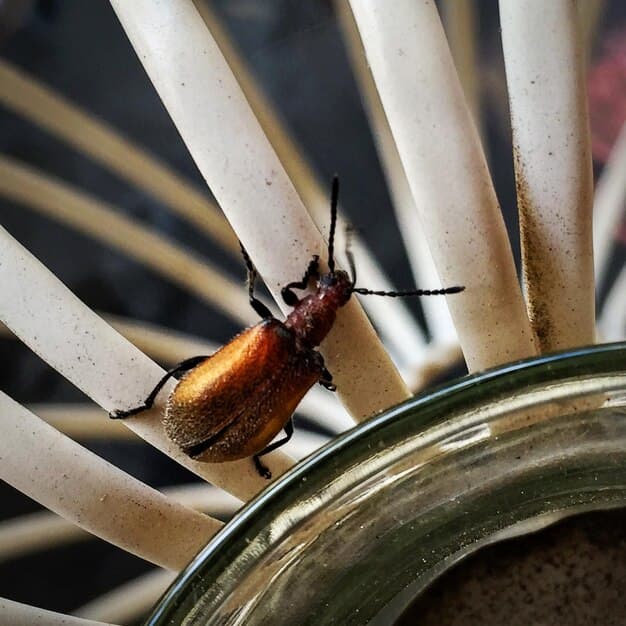
Pests return due to hidden trails, moisture, and entry points. Break the cycle naturally with deep cleaning, sealing gaps, moisture control, DIY traps...
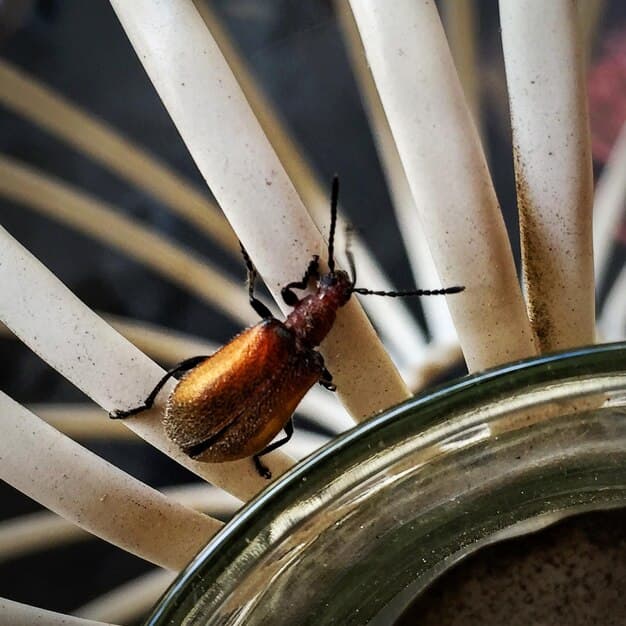
Natural pest control reduces moisture using fixes, ventilation, and absorbers; declutters to remove hiding spots; seals entry points; and secures food...

Use natural methods to deter pests by sealing entry points, decluttering, controlling moisture, and using kitchen remedies like vinegar and peppermint...
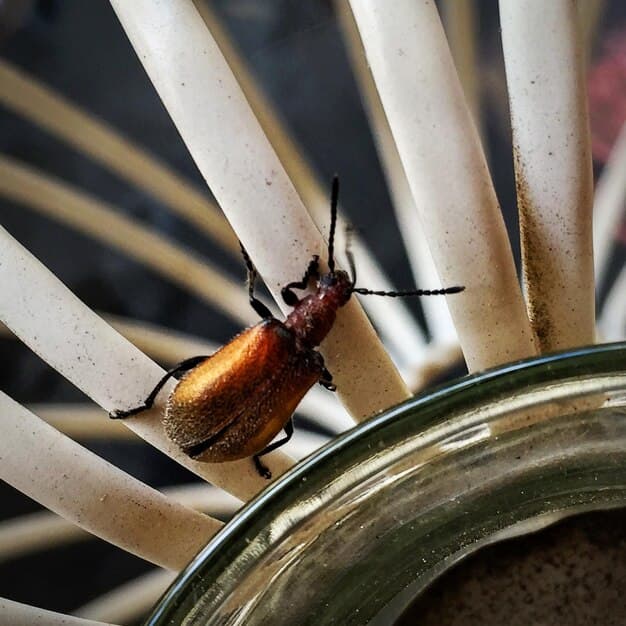
This guide offers natural, pet-safe pest prevention tips room-by-room: clean kitchens, seal entry points, control moisture, use non-toxic repellents l...
