
Pests often sneak in through the smallest cracks, turning your peaceful home and garden into a battleground.
When you keep your spaces clean and tidy, you stop pests before they even think about moving in.
This is the heart of natural pest prevention—simple routines that protect your kitchen, pantry, yard, and more without harsh chemicals.
Ready to take control with eco-friendly steps you can trust?
Let’s get started.
For more insights, visit this link.
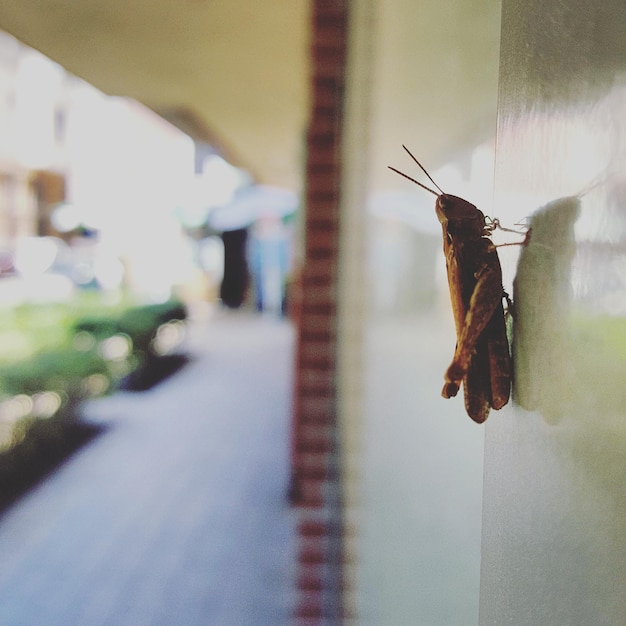
Let’s start by addressing the spaces inside your home.
Each room presents its unique challenges, but with the right steps, you can prevent pests naturally.
Your kitchen is a top target for pests due to food sources.
Keep food sealed and clean surfaces regularly.
Wash dishes right after meals to avoid attracting pests.
This habit minimizes crumbs and food residue that invite unwanted guests.
Pay attention to your trash cans.
Empty them daily, and use lids to contain odors. Did you know? Trash often attracts more than just flies.
Properly managing it is key in natural pest prevention.
Pantry moths are common invaders, but you can keep them at bay.
Store grains and cereals in airtight containers.
This prevents pests from finding their way in.
Regularly check your pantry for signs of moths, like webbing or larvae.
If you spot any, remove affected items immediately.
Most people think moths only come from the outside, but they often hitch a ride from the store.
A little vigilance goes a long way.
Cockroaches are resilient, but your kitchen can be less inviting with a few changes.
Fix leaks promptly to cut off their water supply.
They thrive in moist environments, so drying out your kitchen is crucial.
Keep floors and counters clean.
Any food left out is a feast for these pests. Here’s a tip: A solution of sugar and baking soda can help deter them naturally, without harsh chemicals.
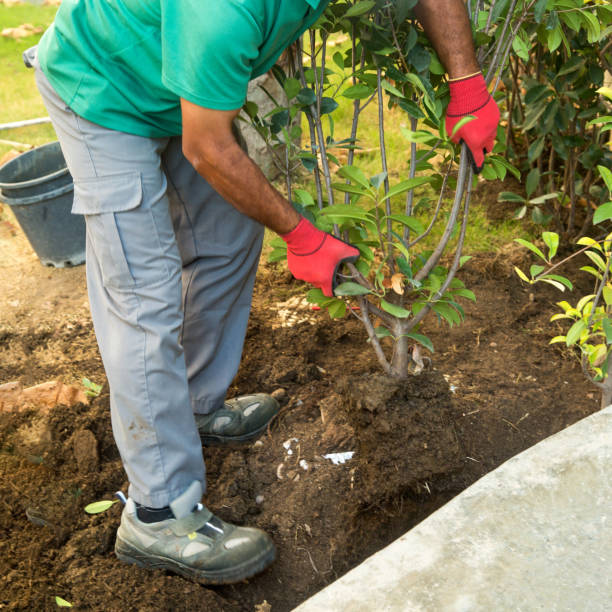
While the indoors is important, your garden also plays a critical role in pest prevention.
A well-maintained garden can be your first line of defense.
Yard hygiene is vital.
Trim bushes and remove debris regularly.
This reduces hiding spots for pests. Fact: A tidy yard not only prevents pests but also enhances your home’s curb appeal.
Composting can be beneficial, but it must be managed carefully.
Keep it away from your home and cover it to deter pests.
Learn more about yard hygiene here.
Mosquitoes breed in standing water.
Walk around your yard and empty any containers holding water.
Bird baths and plant saucers are common culprits.
Consider adding fish to ponds.
They eat mosquito larvae, reducing the population naturally.
If you thought mosquitoes needed a swamp to breed, think again.
A simple puddle can be enough.
Incorporate organic methods into your garden routine.
Use companion planting to naturally repel pests.
For example, marigolds deter nematodes and other insects.
Introducing beneficial insects like ladybugs can also help.
They feast on aphids and other small pests.
For more organic gardening tips, check this resource.
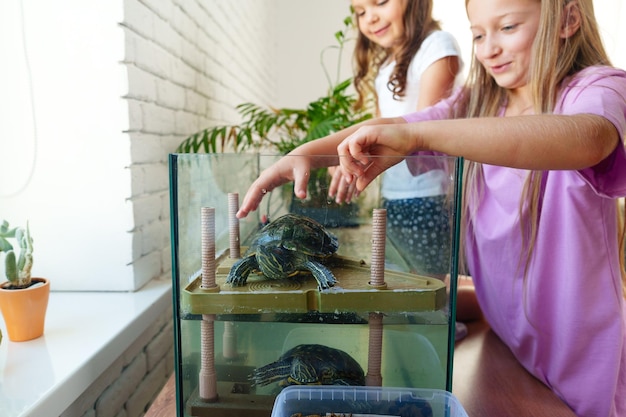
It’s essential to use pest control methods that are safe for pets and reptiles.
Let’s explore some strategies.
Pets are part of the family, so keeping them safe is a priority.
Use diatomaceous earth in areas where pets don’t frequent.
It’s a natural powder that dehydrates pests.
Essential oils like peppermint can deter pests too.
But always dilute and use them cautiously around pets.
A common mistake is thinking natural products are always safe for pets.
Always research before use.
Reptiles have unique needs, and their environments must be kept pest-free.
Avoid using chemical sprays near their enclosures.
Instead, use traps or natural deterrents.
Tip: Regularly clean the habitat and remove uneaten food promptly.
Keeping a clean environment is the best prevention.
For more reptile-safe ideas, explore this study.
Finally, sealing entry points is a proactive step.
Inspect your home for cracks or gaps around windows and doors.
Use caulk or weather stripping to seal them.
Pests often enter through tiny openings.
Addressing these can significantly reduce infestations.
It’s a simple yet effective strategy most overlook.
By focusing on these areas, you can maintain a pest-free home and garden.
Keep these tips in mind, and you’ll create a safe haven for you and your family.
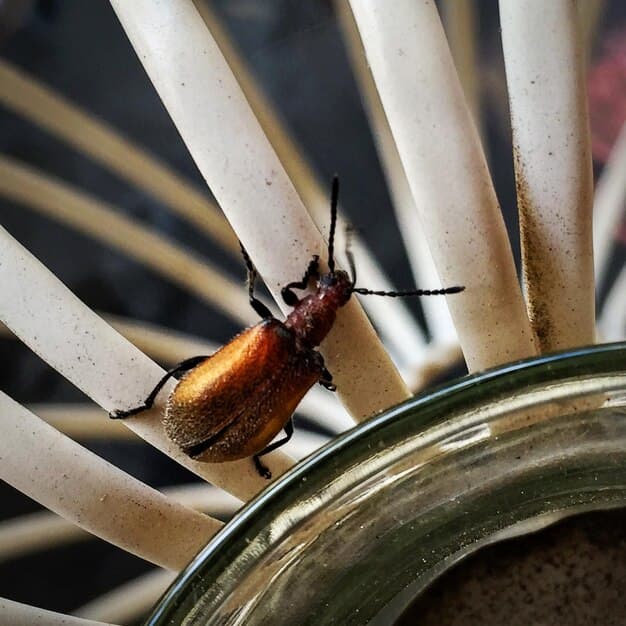
Pests return due to hidden trails, moisture, and entry points. Break the cycle naturally with deep cleaning, sealing gaps, moisture control, DIY traps...
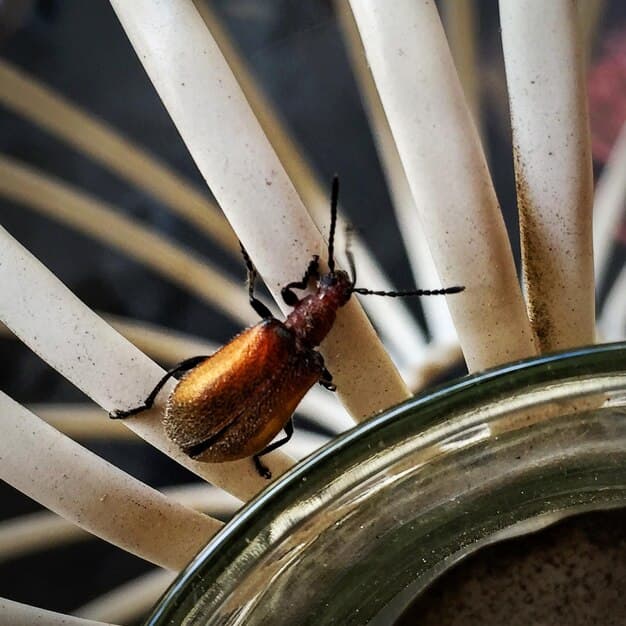
Natural pest control reduces moisture using fixes, ventilation, and absorbers; declutters to remove hiding spots; seals entry points; and secures food...

Use natural methods to deter pests by sealing entry points, decluttering, controlling moisture, and using kitchen remedies like vinegar and peppermint...
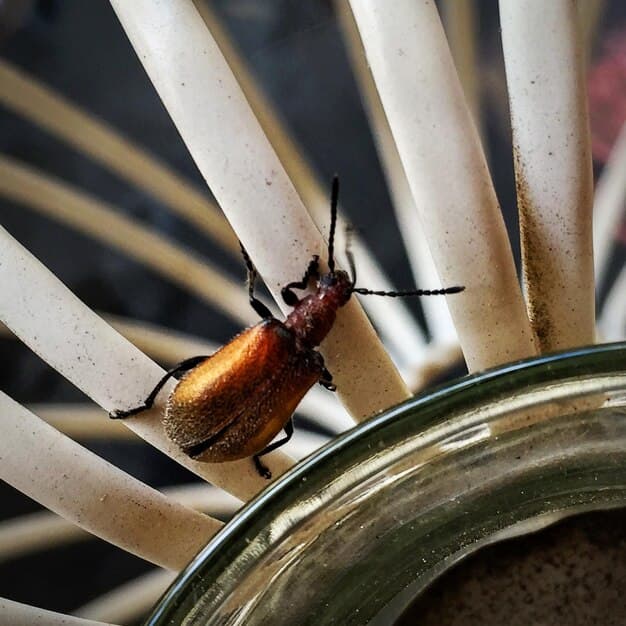
This guide offers homeowners and renters simple, eco-friendly steps to pest-proof homes by sealing entry points, managing food waste, using natural re...
