
Ants, roaches, and spiders creeping inside can turn your cozy home into a battleground.
Most pest control methods use harsh chemicals that worry pet owners and garden lovers alike.
This guide shares eco-friendly pest control tips using simple kitchen staples you already have.
You’ll learn natural steps to seal entry points, keep moisture in check, and make homemade sprays that actually work.
For more eco-friendly solutions, visit Sayonara Pests.
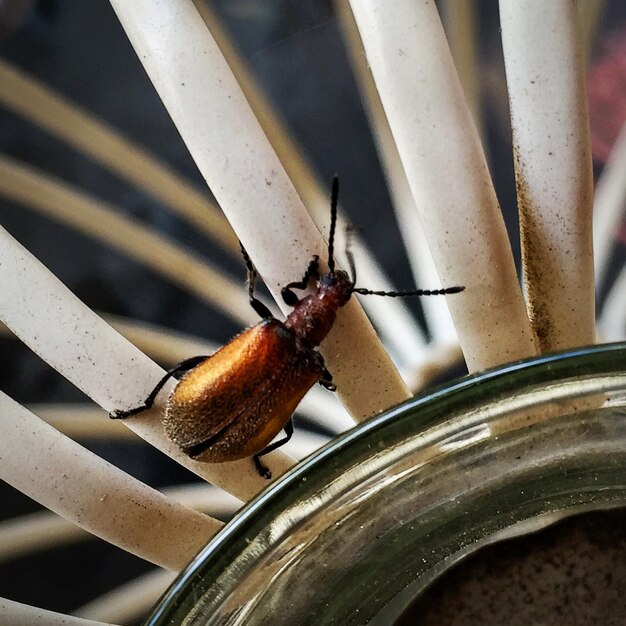
Keeping your home pest-free doesn’t mean you need to resort to harsh chemicals.
In fact, there are many natural, effective ways to do so.
Let’s start with how you can keep pests out in the first place by sealing entry points.
Your first line of defense is making sure pests have no way to sneak in.
You’d be surprised how small a gap they can fit through!
Start by checking for gaps around windows and doors.
Use caulk to seal any cracks you find.
If you notice any worn-out weather stripping or door sweeps, replace them promptly.
This simple step dramatically reduces the number of pests that can enter your home.
Check out this guide on eco-friendly pest control solutions for more tips.
Believe it or not, your kitchen holds the key to pest control.
For instance, ants hate the smell of citrus.
Place citrus peels near entryways, and they’ll stay away.
Another quick fix is using cucumber peels; ants cannot stand them.
Keep these natural deterrents fresh and replace them regularly.
You’ll be amazed at how these simple items can do the trick.
More kitchen-based solutions are shared in this eco-friendly pest control article.
It’s essential to use methods that won’t harm your furry or scaly friends.
One way is to ensure any plants or herbs used are non-toxic.
Basil and mint are pet-safe and repel pests.
Use pet-safe sprays like diluted vinegar or mild soap solutions.
These won’t harm your pets, and they’ll keep your home pest-free.
For further ideas on safe pest control, visit Dr.
Organic Mommy’s blog.
Once you’ve fortified your home, it’s time to tackle the pests directly.
Here are some DIY solutions that work wonders against ants and roaches.
Vinegar is a powerful tool against ants.
It disrupts their scent trails and deters them from coming back.
To make a spray, mix equal parts of water and vinegar in a spray bottle.
Spray this solution on ant trails and entry points.
This method is not only effective but also safe to use around pets and kids.
Many users in our Facebook community have praised this method for its simplicity and effectiveness.
A simple mix of soap and water can eliminate insects on contact.
Just add a few drops of dish soap to a spray bottle filled with water.
Shake it up and spray directly on insects.
This solution clogs their breathing pores, causing them to perish quickly.
It’s a gentle yet effective method that’s safe for indoor use.
Make sure to wipe up any residue to keep surfaces clean.
Roaches are tough, but natural methods can still work.
One approach is using diatomaceous earth, a natural powder.
Sprinkle food-grade diatomaceous earth in areas where roaches frequent.
It dries them out without harming you or your pets.
Another tactic is using bay leaves, which roaches dislike.
Place them in cupboards and pantry areas as a deterrent.
For more detailed advice, check out Healthier Homes’ eco-friendly pest control post.
Spiders can be helpful by eating other pests, but many prefer not to have them indoors.
Here’s how you can keep them out naturally.
Peppermint oil is a fantastic spider repellent.
Mix 10-15 drops with water in a spray bottle.
Apply this around windowsills, under door frames, and in corners.
The smell is pleasant to us but unbearable for spiders.
Regular use will keep them at bay.
This is a favorite tip shared by many in our community groups online.
Roaches thrive in moist environments, so controlling moisture is crucial.
Fix any leaks promptly and ensure your home is well-ventilated.
Use dehumidifiers in damp areas to keep humidity levels low.
These steps not only discourage roaches but also prevent mold growth, which can be harmful to your health.
Finally, a thorough pest-proofing plan is your best long-term strategy.
This means regular home inspections, cleaning, and maintenance.
Ensure all possible entry points are sealed and check them periodically.
Declutter and remove potential nesting sites like piles of newspapers or cardboard boxes.
The longer you wait to take action, the more challenging it becomes to manage an infestation.
By adopting these eco-friendly pest control methods, you can maintain a healthy, pest-free home without resorting to harmful chemicals.
Remember, the key is consistency and vigilance.
Stay proactive and let nature help you keep your space comfortable and safe.
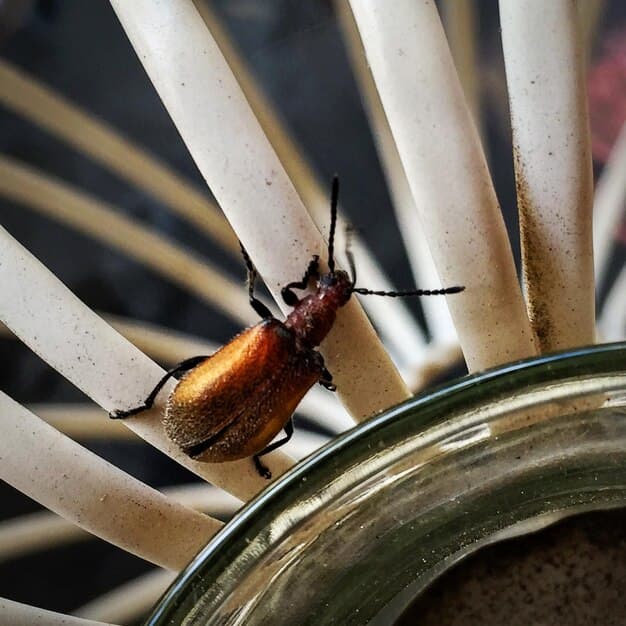
Pests return due to hidden trails, moisture, and entry points. Break the cycle naturally with deep cleaning, sealing gaps, moisture control, DIY traps...
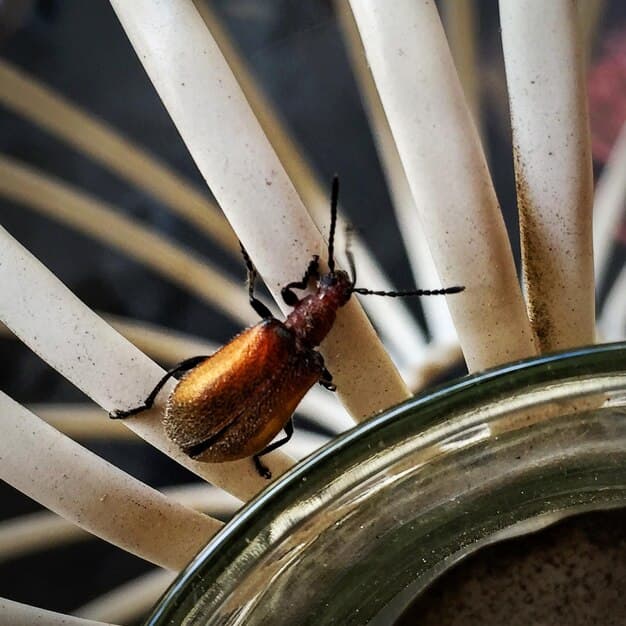
Natural pest control reduces moisture using fixes, ventilation, and absorbers; declutters to remove hiding spots; seals entry points; and secures food...

Use natural methods to deter pests by sealing entry points, decluttering, controlling moisture, and using kitchen remedies like vinegar and peppermint...
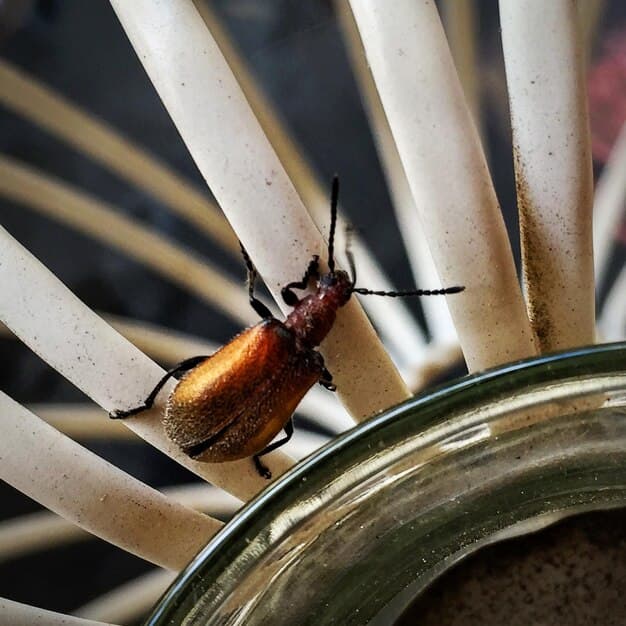
This guide offers homeowners and renters simple, eco-friendly steps to pest-proof homes by sealing entry points, managing food waste, using natural re...
