
Pests can sneak into your apartment before you even notice.
That’s frustrating, especially when you want to avoid harsh chemicals and keep your home safe for pets.
Eco-friendly pest control for renters offers simple, natural ways to stop pests without risking your deposit or your family’s health.
Keep reading to learn easy, landlord-approved tips that fit your budget and lifestyle.
For more details, check out this guide.
Understanding natural pest prevention is the first step to a pest-free home.
Let’s explore daily habits and kitchen hacks that make a big difference.
Changing a few daily habits can help keep pests at bay.
Start by ensuring food is never left out.
Even crumbs can attract unwanted guests like ants and cockroaches.
Regularly wipe countertops and sweep floors to remove food particles.
Another tip is to take out trash daily.
Overfilled bins can invite pests like flies and rodents.
Keep garbage bins covered, especially in warm months.
Maintaining a tidy home is also crucial.
Dust and clutter can be a haven for pests.
Regular cleaning and decluttering can reduce hiding spots for pests.
Make it a routine to vacuum carpets and rugs weekly, as these can trap food crumbs and pests like fleas.
A clean home not only looks good but also acts as a natural pest deterrent.
Your kitchen holds a treasure trove of pest control solutions.
For instance, mint leaves can repel ants and mice.
Place them near entry points or in cupboards.
Essential oils like lavender and eucalyptus are also effective.
Mix a few drops with water and spray around the home.
This freshens the air and keeps bugs away.
Another helpful ingredient is baking soda.
It can deter roaches and ants.
Mix it with sugar and place it in areas where pests are a problem.
The sugar attracts them, while the baking soda eliminates them.
These simple, natural methods use everyday items without harsh chemicals.
When dealing with pests, it’s crucial to ensure your methods are safe for pets.
Many off-the-shelf products can be harmful to animals.
Natural solutions, however, pose less risk.
For example, diatomaceous earth is non-toxic to pets but deadly to insects.
Sprinkle it around the home where pests are an issue.
For reptile owners, creating a safe environment is a priority.
Avoiding chemical sprays is key.
Instead, use natural deterrents like vinegar or essential oils, applied in areas out of reach of pets.
This keeps reptiles safe while effectively managing pests.
Keeping your apartment pest-free is possible without upsetting your landlord.
Here are some approved methods to try.
Sealing entry points is a simple yet effective way to prevent pests.
Check for gaps or cracks in walls, floors, and around windows.
Caulk is a handy tool to seal these spaces.
This not only keeps pests out but can also improve energy efficiency.
Consider installing door sweeps and weather stripping as well.
These prevent insects and mice from sneaking in under doors.
Regularly inspect these barriers to ensure they remain effective.
Addressing these entry points can drastically reduce the number of pests entering your home.
Green cleaning isn’t just good for the environment; it also deters pests.
Use natural cleaning agents like vinegar and lemon juice.
These substances clean surfaces and act as repellents.
Regularly clean your kitchen and bathroom with these solutions to maintain a pest-free zone.
Another method is to use eco-friendly detergents and soaps.
These products avoid harsh chemicals, protecting your home and pets.
Regular cleaning routines using natural products can work wonders in keeping your space pest-free.
Moisture is a magnet for pests like roaches and silverfish.
Fix leaks promptly and ensure proper ventilation in damp areas.
Use a dehumidifier in basements or other humid spaces to reduce moisture levels.
Keeping your apartment dry is vital for pest prevention.
Clutter also attracts pests, providing hiding spots and nesting sites.
Reduce clutter by organizing and storing items in sealed containers.
Regularly sort through belongings to remove unnecessary items.
By managing moisture and clutter, you create a less inviting environment for pests.
Ready to tackle pests yourself?
These DIY methods are effective and renter-friendly.
Vinegar is a powerful ant deterrent.
Mix equal parts vinegar and water in a spray bottle.
Apply it around door frames, windowsills, and other entry points.
The strong smell disrupts ants’ scent trails, keeping them out.
For best results, spray daily during peak ant season.
Remember to always test a small area first to ensure the vinegar doesn’t damage surfaces.
This simple solution is both cost-effective and eco-friendly, making it a great choice for renters.
Diatomaceous earth is a natural insecticide safe for homes with pets.
Sprinkle it lightly on carpets, behind appliances, and around baseboards.
It works by dehydrating insects, effectively controlling many common pests.
Always use food-grade diatomaceous earth and wear a mask when applying it.
Vacuum up the powder after a few days to remove dead insects.
This method is safe and doesn’t involve toxic chemicals, making your home safer for everyone.
Fruit flies can be a nuisance, but they’re easy to trap.
Create a simple trap using a jar, apple cider vinegar, and a few drops of dish soap.
Cover the jar with plastic wrap, poking holes just large enough for flies to enter.
Place the trap near fruit bowls or trash cans.
The vinegar attracts the flies, while the soap breaks the surface tension, trapping them.
This DIY trap is inexpensive and effective, providing relief from pesky fruit flies.
✨
By adopting these natural and landlord-approved strategies, you can maintain a pest-free home that’s safe for both your family and pets.
Remember, the longer you wait, the more challenging it can be to manage pests.
Start implementing these tips today and enjoy the peace of mind that comes with a pest-free environment.
Pests return due to hidden trails, moisture, and entry points. Break the cycle naturally with deep cleaning, sealing gaps, moisture control, DIY traps...
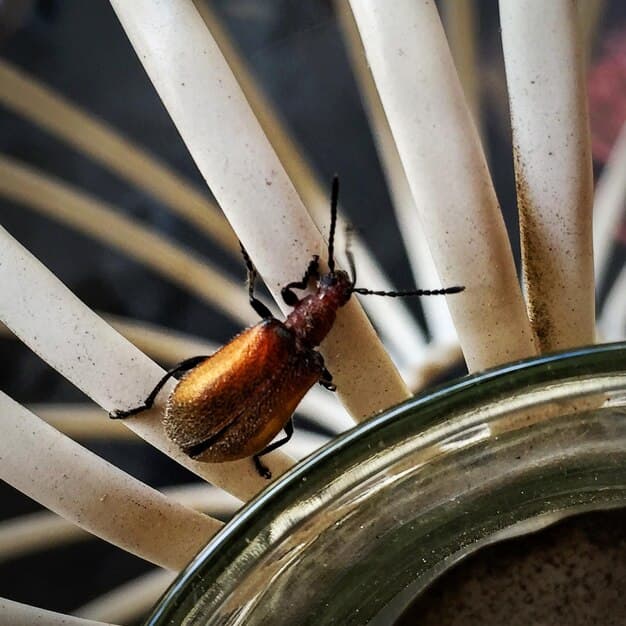
Natural pest control reduces moisture using fixes, ventilation, and absorbers; declutters to remove hiding spots; seals entry points; and secures food...

Use natural methods to deter pests by sealing entry points, decluttering, controlling moisture, and using kitchen remedies like vinegar and peppermint...
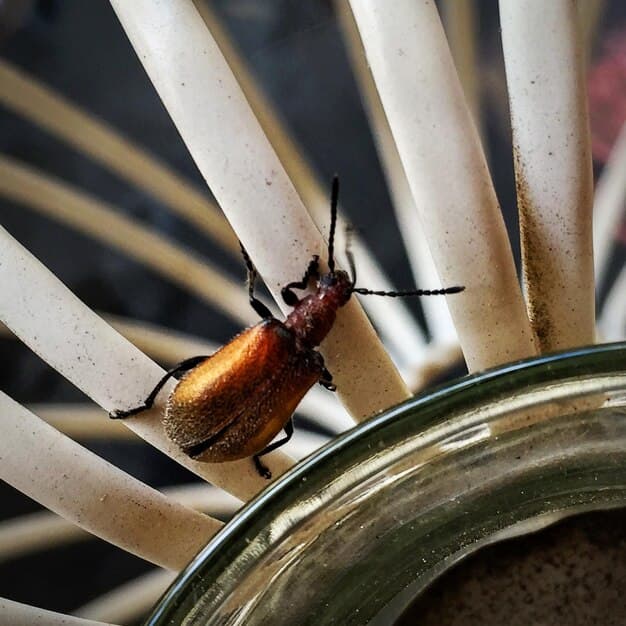
This guide offers homeowners and renters simple, eco-friendly steps to pest-proof homes by sealing entry points, managing food waste, using natural re...
