
Pests thrive where moisture, clutter, and easy food access combine.
You’ve tried sprays and traps, but those often bring chemicals into your home and leave pests returning.
This guide shows you how natural pest control cuts moisture, clears clutter, and locks down food sources using simple, safe methods anyone can follow.
Keep reading to get a room-by-room checklist and start protecting your home the eco-friendly way.
For more insights, visit this link.
Cutting down on moisture is your first defense against pests.
When you manage humidity, you effectively make your home less inviting to unwanted guests.
Let’s look into how you can achieve this naturally.
Moisture attracts pests like ants, cockroaches, and even rodents.
To reduce this, start by fixing any leaky pipes or faucets in your home.
A single drip can bring a surprising number of pests.
Use exhaust fans in bathrooms and kitchens to remove excess moisture from the air.
These simple changes can make a big difference.
Also, consider using natural moisture absorbers like baking soda or charcoal.
Place them in damp areas to soak up moisture.
Not only are these options affordable, but they’re also non-toxic and safe for families and pets.
Maintaining proper humidity levels is crucial.
Aim to keep your home’s humidity between 30-50%.
You can use a hygrometer to monitor levels, ensuring they stay in this range.
High humidity creates a perfect breeding ground for pests.
Open windows on dry days to improve air circulation.
If you have plants, make sure not to overwater them, as this can also increase humidity.
By managing these small details, you make your environment less appealing to pests.
When natural methods aren’t enough, a dehumidifier can be your best friend.
This device pulls excess moisture from the air, making your home less hospitable to pests.
Look for energy-efficient models to keep costs down.
Place your dehumidifier in areas prone to dampness, like basements or laundry rooms.
Regularly empty the water reservoir to maintain its effectiveness.
Investing in a dehumidifier can significantly lower pest problems while improving indoor air quality.
With moisture under control, the next step is to tackle clutter.
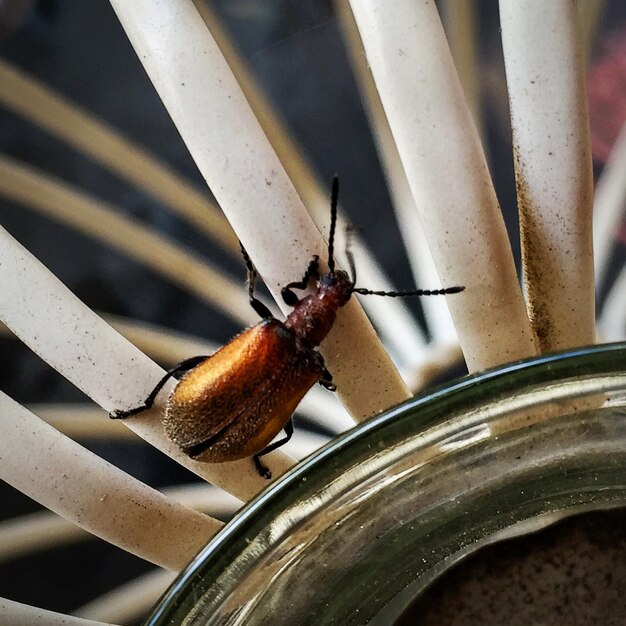
Pests love hiding in piles of stuff.
Clearing these spaces reduces their hiding spots and keeps your home neat.
Start with one room at a time.
Remove items you no longer use or need, like old magazines or clothes.
Most people think keeping everything is safe, but clutter can actually invite more pests.
Use storage bins with tight-fitting lids to keep your belongings safe from critters.
Regularly clean and organize these areas to maintain a clutter-free environment.
This way, pests have fewer places to hide and breed.
Cracks and gaps are like open doors to pests.
Use caulk or weather stripping to seal these entry points.
Pay special attention to areas around windows, doors, and pipes.
This simple action can prevent ants and cockroaches from sneaking into your home.
Make it a habit to inspect your home’s exterior for new cracks or gaps.
Sealing them promptly stops pests from getting comfortable.
Install door sweeps on all exterior doors.
These block pests that might try to slip in under the door.
Also, check window and door screens for holes.
Repair any damage to keep flying insects outside where they belong.
This simple addition creates an effective barrier against pests.
Screens and sweeps are easy to install and hugely beneficial.
Checking these regularly ensures they remain in good condition.

After addressing moisture and clutter, focus on food storage.
Improperly stored food is a magnet for pests.
Keep it safe, and your kitchen will be less appealing to invaders.
Your pantry can be a hotspot for pests if not properly maintained.
Store dry goods like cereals and grains in airtight containers.
This simple step prevents pests from accessing your food.
Regularly rotate items and check expiration dates.
Discard anything past its prime to minimize pest attraction.
Keeping your pantry tidy and organized is key to preventing infestations.
Beyond the pantry, ensure all food scraps and leftovers are stored correctly.
Use sealed containers to store food in the fridge or on countertops.
This prevents pests from sniffing out a meal.
Don’t forget about pet food.
Store it in a sealed container rather than leaving it out.
Pests are drawn to easy food sources, so denying them access is crucial.
A clean kitchen is less likely to attract pests.
Wipe down countertops and sweep floors daily to remove crumbs and spills.
These small actions make a big difference in keeping pests at bay.
Develop a cleaning schedule that includes regular deep cleaning.
Clean behind appliances and in other often-overlooked areas.
Staying on top of this routine will help keep your home pest-free and comfortable for your family.
By drying, decluttering, and denying pests access to food, you set up a home that’s less appealing to unwanted guests.
Use these natural methods to protect your space and enjoy a pest-free environment.
Pests return due to hidden trails, moisture, and entry points. Break the cycle naturally with deep cleaning, sealing gaps, moisture control, DIY traps...

Use natural methods to deter pests by sealing entry points, decluttering, controlling moisture, and using kitchen remedies like vinegar and peppermint...
This guide offers homeowners and renters simple, eco-friendly steps to pest-proof homes by sealing entry points, managing food waste, using natural re...
This guide offers natural, pet-safe pest prevention tips room-by-room: clean kitchens, seal entry points, control moisture, use non-toxic repellents l...
