
Pests can quickly turn your cozy home into a battleground.
You want a solution that’s safe for your family and pets but doesn’t drain your wallet.
This guide shows you how to get rid of pests naturally using simple kitchen-based remedies and smart prevention tips.
Keep reading to learn easy, budget pest control methods that really work without toxic chemicals.
For more eco-friendly pest control ideas, check out these natural solutions.
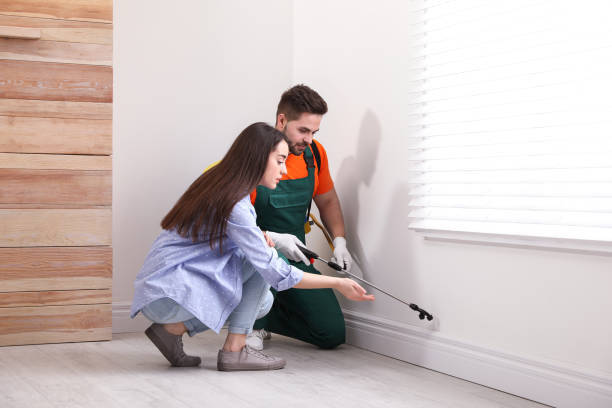
Let’s begin with a few simple habits to keep pests away from your home.
These next steps focus on prevention, setting you up for long-term success.
Keeping your home clean isn’t just about looks.
It’s a key step in pest prevention.
Pests love clutter because it offers hiding spots and easy access to food.
Regular cleaning helps eliminate these attractions.
Start with the kitchen: Wipe counters and sweep floors daily.
Pay special attention to crumbs and spills.
Tackle the clutter: Go through your home, room by room.
Donate or toss items you no longer need.
Fewer things mean fewer places for pests to hide.
Consistency is essential.
A clean and clutter-free home is less inviting to pests.
Pests are sneaky and can enter your home through the smallest cracks.
Sealing these entry points can stop them in their tracks.
Check windows and doors: Install weather stripping and keep screens in good repair.
Inspect your foundation: Look for cracks and seal them with caulk or concrete.
By blocking these entryways, you’re taking a big step toward pest prevention.
Pests thrive in damp environments, so controlling moisture is critical.
This not only prevents pests but also protects your home.
Fix leaks promptly: Check under sinks and around appliances.
Use a dehumidifier: In damp areas like basements, this can make a big difference.
By managing moisture, you’re making your home less appealing to pests.
For more tips on eco-friendly pest control, visit Eco-Friendly Pest Control Solutions.
When prevention isn’t enough, DIY remedies can help.
These solutions are effective and budget-friendly, using items you likely have at home.
Vinegar is a powerful tool in pest control.
Its strong scent repels many pests, while its acidity can kill others.
Here’s how you can use it:
Fruit fly trap: Combine apple cider vinegar with a few drops of dish soap in a bowl.
Cover it with plastic wrap, poke small holes, and place it where you’ve seen flies.
Ant deterrent: Wipe down surfaces with a mix of water and vinegar.
This erases scent trails that ants follow.
These traps are simple, effective, and cost next to nothing.
Soap spray is another easy way to deal with pests.
It disrupts their cell membranes, killing them on contact.
Mix your spray: Combine one teaspoon of dish soap with one quart of water in a spray bottle.
Target pests directly: Apply the spray to insects like aphids and spider mites on contact.
Soap spray is safe for use around pets and kids, making it a great option for families.
Diatomaceous earth is a natural powder that kills pests by dehydrating them.
It’s safe for humans and pets, making it a popular choice.
Apply in key areas: Sprinkle in places where you see pests, such as under sinks and along baseboards.
Reapply as needed: After vacuuming or if the area becomes wet, you’ll need to reapply.
This method is a safe, long-term solution for controlling pests.
For a deeper dive into garden-safe pest control, explore Treehugger’s guide.
For homes with pets or reptiles, safety is a priority.
Here are solutions that ensure your furry or scaly friends remain unharmed.
Essential oils can be a powerful ally in pest control.
They repel pests without posing a risk to pets.
Peppermint oil for ants: Mix 10 drops with water in a spray bottle.
Apply to areas where ants enter.
Lavender oil for flies: Add a few drops to a cotton ball and place it in areas prone to flies.
Essential oils are not only effective but also leave a pleasant scent in your home.
Your kitchen holds many pest control secrets.
Everyday items can double as effective pest deterrents.
Cucumber slices for ants: Place slices in areas where ants are active.
They dislike the scent and steer clear.
Coffee grounds for snails: Sprinkle around plants to keep snails at bay.
These solutions are safe, simple, and use ingredients you already have.
Non-toxic methods are essential for maintaining a safe home environment.
With these, you can control pests effectively without harmful chemicals.
Boric acid for cockroaches: Mix with sugar and water to create a bait.
It’s fatal to roaches but safe for pets when used correctly.
Neem oil for garden pests: Dilute and spray on plants to protect against insects without harming beneficial critters.
By prioritizing non-toxic solutions, you protect both your family and your environment.
Explore more DIY pest control methods at Sayonara Pests on Facebook.
With these natural, budget-friendly pest control methods, you’re equipped to tackle pests without relying on harmful chemicals.
Enjoy a safer, pest-free home!
Pests return due to hidden trails, moisture, and entry points. Break the cycle naturally with deep cleaning, sealing gaps, moisture control, DIY traps...
Natural pest control reduces moisture using fixes, ventilation, and absorbers; declutters to remove hiding spots; seals entry points; and secures food...

Use natural methods to deter pests by sealing entry points, decluttering, controlling moisture, and using kitchen remedies like vinegar and peppermint...
This guide offers homeowners and renters simple, eco-friendly steps to pest-proof homes by sealing entry points, managing food waste, using natural re...
